Content Menu
● The Rise of Electric Golf Carts as Everyday Transport
● Eco-Friendly Transportation With Near-Zero Emissions
>> How Golf Carts Help the Environment
● Cost-Effective Mobility Compared to Cars
>> Lower Purchase and Running Costs
>> Long-Term Value and Resale
● Increased Mobility in Communities and Large Properties
>> Everyday Convenience and Accessibility
>> Ideal for Businesses and Facilities
● Fun, Lifestyle, and Customization
>> Custom Features and Personal Style
>> Recreational Use and Family Time
● Practical Everyday Use Cases Beyond the Golf Course
>> Yard, Farm, and Property Work
>> Short-Distance Commuting and Errands
● Understanding Batteries, Range, and Maintenance
>> Battery Types and Range
>> Simple Maintenance for Long Life
● Market Outlook: Why Now Is a Smart Time to Invest
>> Growth in Global Golf Cart Demand
>> Opportunities for OEM, ODM, and Fleet Buyers
● How to Choose the Right Golf Cart for Your Needs
>> Step-By-Step Selection Checklist
>> Example Specification Table
● Optimized Call to Action – Start Your Golf Cart Project Today
● Frequently Asked Questions About Owning a Golf Cart
>> 1. Are electric golf carts really cheaper to run than cars?
>> 2. How far can an electric golf cart travel on one charge?
>> 3. Can I drive a golf cart on public roads?
>> 4. What kind of maintenance does an electric golf cart need?
>> 5. Is a golf cart a good option for seniors or people with limited mobility?
● Citations:
Owning a golf cart in 2026 and beyond is no longer just about the golf course – it is about smarter, greener, and more flexible everyday mobility. In this guide, you will learn how modern electric golf carts can save money, reduce emissions, and upgrade daily life in communities, resorts, campuses, and private properties.
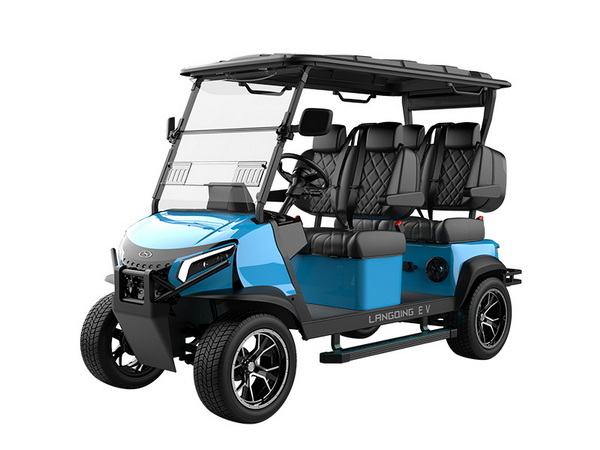
The Rise of Electric Golf Carts as Everyday Transport
Electric golf carts have evolved into versatile personal vehicles that fit perfectly into short-distance commuting, leisure, and light-duty work. Compact size, quiet operation, and low running costs make them a practical alternative to full-size cars for short trips.
Key trends driving adoption:
- Growing demand for sustainable mobility in cities and communities.
- Expansion of golf carts into tourism, hospitality, and property management.
- Rapid improvement in electric drivetrains, batteries, and safety features.
For manufacturers and OEM partners, this expanding use case opens strong opportunities to provide customized electric carts tailored to lifestyle, commercial, and fleet needs.
Eco-Friendly Transportation With Near-Zero Emissions
If you care about sustainability, owning an electric golf cart is an easy way to shrink your carbon footprint on short trips. Unlike gasoline carts, electric models run on electricity and produce zero tailpipe emissions during operation.
How Golf Carts Help the Environment
Electric golf carts:
- Produce no on-board emissions such as CO2 or NOx while driving.
- Use significantly less energy than full-size cars for short-distance travel.
- Support quieter, cleaner neighborhoods and resort environments.
With the global golf cart market projected to grow strongly through the next decade, electric models are a major driver of this expansion as cities and resorts seek greener transport.
Cost-Effective Mobility Compared to Cars
Owning a golf cart is often far cheaper than relying on a second car for local errands or community trips. Purchase prices, running costs, and maintenance requirements are all typically lower than those of a passenger vehicle.
Lower Purchase and Running Costs
Electric golf carts can cost substantially less than new cars, even when equipped with premium features and custom options. Operating them is usually cheaper because:
- Electricity is more stable and predictable in price than gasoline.
- Maintenance is simpler, with fewer moving parts and no oil changes.
- Many regions offer reduced or no registration and insurance costs for low-speed vehicles, depending on local regulations.
Over several years, this can translate into meaningful savings for families, rental fleets, resorts, and small businesses.
Long-Term Value and Resale
Well-maintained golf carts often retain solid resale value, especially from reputable brands or OEMs with strong after-sales support. Upgrading batteries or adding features can extend their useful life and enhance long-term return on investment.
Increased Mobility in Communities and Large Properties
Golf carts make it easy to move around large or spread-out environments without fatigue or wasted time. They shine in communities, resorts, campuses, industrial sites, and agricultural or residential properties with extensive grounds.
Everyday Convenience and Accessibility
Electric golf carts enable:
- Quick trips inside gated communities, villages, and resort complexes.
- Easier movement for seniors or people with limited mobility who still want independence.
- Efficient transport of guests, employees, tools, and supplies over short distances.
Their compact footprint and tight turning radius help users navigate narrow roads, internal paths, service lanes, and parking areas with confidence.
Ideal for Businesses and Facilities
Many industries already rely on golf carts for daily operations, including:
- Resorts and hotels for guest transfers, housekeeping, and luggage.
- Factories, warehouses, and industrial parks for internal logistics and staff movement.
- Universities and hospitals for campus shuttles and maintenance teams.
These carts improve productivity and guest experience while reducing fuel and labor costs.
Fun, Lifestyle, and Customization
Beyond practicality, golf carts are simply enjoyable to drive and easy to personalize. For many owners, the cart becomes part of their lifestyle and community identity.
Custom Features and Personal Style
Owners commonly customize their carts with:
- Color-matched bodies, unique finishes, and custom decals.
- Upgraded seats, canopies, lighting, and sound systems.
- Lift kits, wheel upgrades, and additional seating for family or guests.
In some communities, themed carts and seasonal decoration contests turn golf carts into rolling expressions of personality and local culture.
Recreational Use and Family Time
Golf carts are popular for:
- Neighborhood cruises and community events.
- Accessing beaches, parks, or lakes on private or semi-private roads.
- Family outings where a full-size car feels unnecessary.
The open-air design makes every short trip feel more relaxed and social.
Practical Everyday Use Cases Beyond the Golf Course
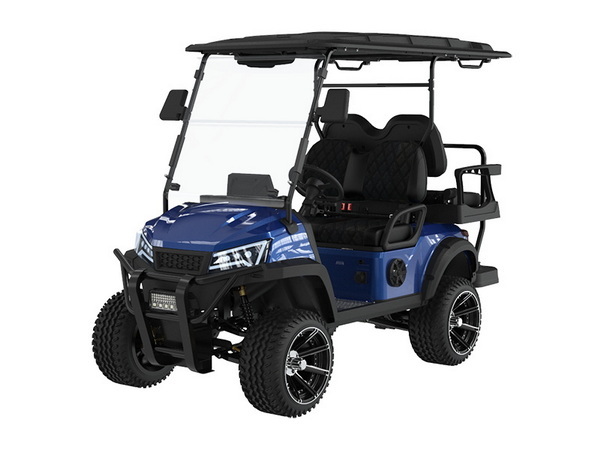
Modern golf carts have become multi-purpose workhorses for residential, agricultural, and light commercial jobs. Their utility extends far past transporting players between holes.
Yard, Farm, and Property Work
On farms, homesteads, and large private properties, golf carts are widely used to:
- Haul tools, gardening supplies, and feed.
- Move small equipment or materials across uneven ground.
- Support daily chores, from landscaping to light maintenance.
Compared to walking long distances with heavy loads, a properly configured golf cart saves time and physical effort.
Short-Distance Commuting and Errands
In areas where local laws permit, street-legal golf carts can handle:
- Short commutes within a community or between nearby facilities.
- Quick visits to neighbors, clubhouses, or small local stores.
- Parking in dedicated golf-cart spaces at schools or community centers in some regions.
This flexibility reduces reliance on full-size vehicles for short, repetitive trips.
Understanding Batteries, Range, and Maintenance
Choosing the right battery system is crucial for performance, range, and lifetime operating cost. Electric golf carts typically use advanced lead-acid or lithium-ion battery packs, each with different characteristics.
Battery Types and Range
Key points to consider when evaluating batteries:
- Range per charge, to match battery capacity to your daily driving distance.
- Charging time, to ensure your schedule and charging infrastructure are compatible.
- Lifecycle cost, including replacement intervals and total ownership cost.
Well-engineered lithium-ion systems can offer longer lifespan, faster charging, and more consistent performance, though at higher upfront cost, while enhanced lead-acid systems remain a cost-effective choice for moderate usage profiles.
Simple Maintenance for Long Life
Routine care for electric golf carts generally includes:
- Periodic battery health checks and correct charging habits.
- Tire inspection and rotation.
- Regular inspection of brakes, suspension, and electrical connections.
These steps help keep the cart safe, reliable, and efficient for many years.
Market Outlook: Why Now Is a Smart Time to Invest
Global demand for golf carts is growing steadily as more sectors adopt them for personal and professional use. This trend supports strong innovation and a healthy aftermarket for parts, upgrades, and services.
Growth in Global Golf Cart Demand
Industry research indicates:
- A global golf cart market value in the low billions of USD in the mid-2020s.
- Projected growth to well over 3 billion USD by 2033, with robust compound annual growth rates.
- North America currently holding the largest share, with Asia-Pacific showing some of the fastest growth rates.
Rising adoption in residential communities, tourism destinations, and commercial facilities is expected to sustain this momentum.
Opportunities for OEM, ODM, and Fleet Buyers
For international brands, wholesalers, and fleet operators, partnering with a professional golf cart manufacturer allows access to:
- Flexible OEM and ODM solutions tailored to local regulations and branding.
- Scalable production for private-label product lines and rental fleets.
- Technical support and customization for batteries, body design, and seating layouts.
This combination of global demand and flexible manufacturing makes the next decade particularly attractive for strategic investment in golf cart programs.
How to Choose the Right Golf Cart for Your Needs
Selecting the right golf cart starts with a clear understanding of how and where you will use it. The following steps can guide both first-time buyers and fleet managers.
Step-By-Step Selection Checklist
1. Clarify your primary use
Decide whether the cart will mainly serve on a golf course, in a community, at a resort, on an industrial site, or in a mixed-use scenario.
2. Define capacity and layout
Determine the required number of seats, cargo area needs, and any accessibility features such as low step-in or grab handles.
3. Choose powertrain and batteries
Select an electric configuration, target range per charge, and battery type that match your typical daily usage pattern.
4. Confirm local regulations
Check street-legal requirements, safety equipment, speed limits, and registration rules in your region.
5. Plan customization
Decide on colors, branding elements, accessories, comfort features, and special equipment that support your lifestyle or business goals.
6. Evaluate after-sales support
Review warranty terms, parts availability, service network, and technical assistance from the manufacturer or OEM partner.
Careful planning at this stage helps avoid under-specification or costly over-specification in later use.
Example Specification Table
You can structure an internal comparison like this when working with a manufacturer or OEM partner:
Use Case | Seats | Battery Type | Approx. Range per Charge | Key Features |
Gated community shuttle | 4–6 | Lithium-ion | Medium–long | Street-legal kit, lights, weather enclosure |
Resort guest transport | 6–8 | Lithium-ion | Medium | Luggage racks, branding graphics, quiet motor |
Industrial site utility | 2–4 | Lead-acid or Li | Short–medium | Cargo bed, tow hitch, reinforced suspension |
Private property leisure | 2–4 | Lead-acid | Short–medium | Custom paint, sound system, optional lift kit |
Optimized Call to Action – Start Your Golf Cart Project Today
If you are considering a golf cart for community use, resort fleets, industrial sites, or branded retail channels, this is the right time to transform your mobility strategy. The combination of eco-friendly technology, lower lifetime costs, and strong market growth makes electric golf carts an intelligent choice for the coming decade.
Whether you are a brand owner, wholesaler, or manufacturer seeking OEM cooperation, partnering with an experienced golf cart factory allows you to design and deliver models that match your market's exact needs in performance, safety, and style. Contact our professional team today to share your specifications, target price range, and branding requirements, and let us help you build a customized golf cart line that stands out in 2026 and beyond.
Contact us today to get more information!
Frequently Asked Questions About Owning a Golf Cart
1. Are electric golf carts really cheaper to run than cars?
Yes. For short-distance travel, electric golf carts typically use less energy, require less maintenance, and can benefit from lower registration and insurance costs in some regions, making them cheaper to operate overall. Over time, these savings can be significant for both individual owners and fleet operators.
2. How far can an electric golf cart travel on one charge?
Range depends on battery type, load, terrain, and driving style, but many modern carts comfortably handle a full round of golf or a day of typical community driving on a single charge. Buyers should work with their supplier to match battery capacity to their expected daily use.
3. Can I drive a golf cart on public roads?
This depends entirely on local regulations. Some areas allow street-legal carts on designated roads if they meet safety standards for lighting, mirrors, signals, and speed, while other regions restrict use to private property or golf courses. Always check local laws and compliance requirements before purchase.
4. What kind of maintenance does an electric golf cart need?
Routine maintenance usually includes battery checks and proper charging, tire inspection, brake servicing, and occasional electrical system inspections. Compared to internal-combustion vehicles, the overall maintenance workload is typically lower, which helps reduce downtime and operating costs.
5. Is a golf cart a good option for seniors or people with limited mobility?
Yes. Golf carts are easy to drive, offer low entry steps, and provide comfortable, quiet transport over short distances. In suitable environments such as gated communities, resorts, or large residential properties, they can significantly improve independence and quality of life for seniors and people with limited mobility.
Citations:
1. https://golfcarts.com/why-you-should-own-a-golf-cart-in-2023/
2. https://golfcarts.com/the-benefits-of-owning-a-golf-cart/
3. https://kcgolfcartco.com/2026/03/21/top-benefits-of-owning-a-golf-cart-more-than-just-for-the-course/
4. https://www.laceysgolfcarts.com/5-great-benefits-of-golf-cart-ownership
5. https://taraelectricvehicles.com/blog/2026/06/16/the-benefits-of-owning-a-golf-cart-is-it-worth-the-investment/
6. https://www.cognitivemarketresearch.com/golf-carts-market-report
7. https://www.alliedmarketresearch.com/golf-cart-market
8. https://www.grandviewresearch.com/industry-analysis/golf-cart-market-report


