Content Menu
● Why Golf Cart Safety Matters Today
● Core Golf Cart Safety Basics
● Limiting Passengers and Managing Weight
● Understanding and Obeying Laws and Regulations
● Avoiding Distracted Driving in a Golf Cart
● Correct Use of Platforms and Cargo Areas
● No Drinking and Driving – Even in a Golf Cart
● Making Safe Turns and Maneuvers
● Managing Speed, Starts, and Stops
● Weather Awareness and Environmental Conditions
● Protecting Pedestrians and Other Road Users
● Golf Cart Safety for Kids and Families
● Pre-Ride Golf Cart Safety Checklist
● Street-Legal Golf Carts and Low-Speed Vehicles
● Summary Table of Key Golf Cart Safety Tips
● Protecting Your Golf Cart Investment
● Choosing the Right Golf Cart and Safety Features
● Take the Next Step Toward Safer, Smarter Golf Cart Use
● Frequently Asked Questions (FAQ)
>> FAQ 1: Are golf carts really dangerous if they are slow?
>> FAQ 2: Do I need a driver's license to operate a golf cart?
>> FAQ 3: Can children drive or ride in golf carts?
>> FAQ 4: What safety equipment should a street-legal golf cart have?
>> FAQ 5: How often should I inspect my golf cart for safety?
Golf carts are no longer limited to golf courses; they are now widely used in resorts, residential communities, campuses, industrial parks, farms, and even certain public roads. As their usage grows, golf cart safety and safe golf cart driving tips have become more important than ever for both individual owners and fleet operators.
This comprehensive guide is designed to help you drive more safely, protect passengers and pedestrians, reduce legal risks, and extend the lifespan of your golf cart, whether you use it for leisure, work, or transport.
Why Golf Cart Safety Matters Today
Although golf carts look small and friendly, they are still motor vehicles and can cause serious injuries if misused. Unlike passenger cars, most golf carts lack closed cabins, crumple zones, and advanced safety systems, which makes driver behavior and basic precautions especially important.
Because golf carts often share space with cars, bicycles, and pedestrians, responsible operation is critical to avoid collisions, falls, and rollovers. Treating a golf cart with the same respect as a car significantly reduces the chance of accidents and injuries.
Core Golf Cart Safety Basics
Safe driving habits form the foundation of golf cart safety. A few simple rules go a long way toward protecting everyone on board.
- Always keep arms and legs inside the cart while it is moving.
- Make sure every passenger is seated properly before you start driving.
- Set the parking brake every time you park, especially on slopes.
- Remove the key when the cart is unattended to prevent unauthorized use.
Approach every trip as if you are responsible for a small, open vehicle carrying vulnerable passengers. Your driving decisions directly impact their safety.
Limiting Passengers and Managing Weight
Overloading a golf cart is one of the most common causes of instability and loss of control.
- Only carry as many people as there are designated seats.
- Respect the manufacturer's weight limit for people and cargo.
- Do not allow anyone to sit on armrests, the vehicle edge, or the floor.
- Avoid squeezing extra passengers into narrow spaces.
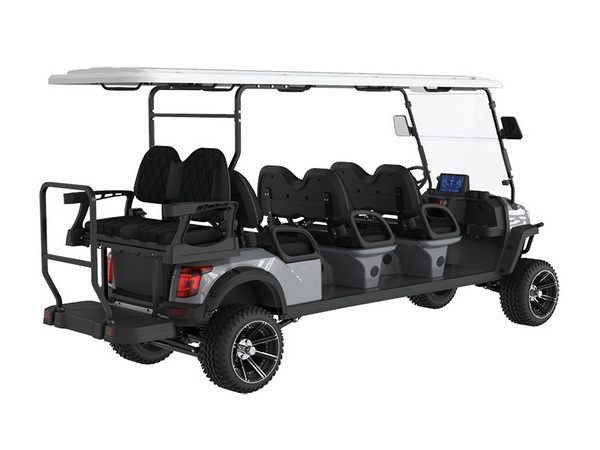
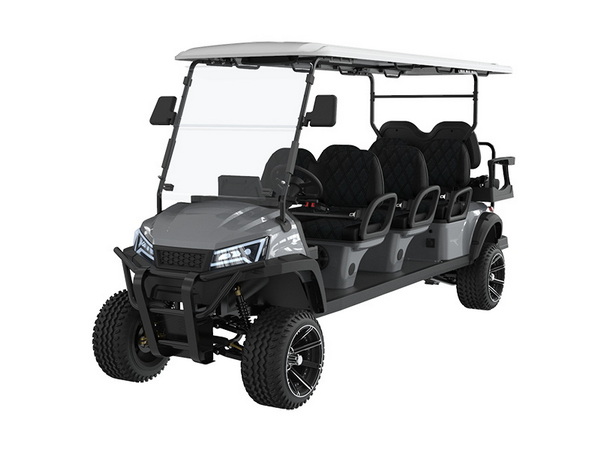
If your requirements have grown beyond a two-seat cart, consider a 4–6 seat or extended golf cart rather than overloading a smaller vehicle. Choosing the right capacity is an important safety decision.
Understanding and Obeying Laws and Regulations
When you drive a golf cart on community roads or city streets, you are operating a motor vehicle under local law. Even at low speeds, you must follow the same basic traffic rules as drivers of full-size cars.
- Obey posted speed limits, stop signs, and lane markings.
- Do not tailgate, weave between vehicles, or ignore right-of-way rules.
- Ensure all passengers remain seated with limbs inside the cart.
- Use signals and mirrors whenever you turn, change lanes, or reverse.
Local regulations may also define where and when golf carts are allowed, such as specific roads, paths, or crossings. Always review applicable rules before driving on public property.
Avoiding Distracted Driving in a Golf Cart
Even at relatively low speeds, distracted driving in a golf cart can cause serious accidents, especially in crowded environments such as resorts, campuses, or neighborhoods.
Common sources of distraction include:
- Using a mobile phone for calls or messaging.
- Adjusting music, navigation, or other devices while moving.
- Eating, drinking, or turning to talk to passengers.
- Looking away from the path to sights or scenery.
To stay focused, set your route and music before you move, stow your phone, and keep conversations relaxed. Always remember you are operating a vehicle that can injure people or damage property if your attention drifts.
Correct Use of Platforms and Cargo Areas
Cargo platforms on the back, sides, or front of a golf cart are designed to carry items, not people.
- Use platforms only for golf bags, tools, supplies, or small loads.
- Never allow passengers to sit or stand on any platform while the cart is moving.
- Secure loose items so they do not fall off and create hazards for others.
- Avoid heavy or unevenly distributed loads that can affect handling.
Treat all non-seat surfaces as off-limits to passengers during travel to prevent falls and loss of balance.
No Drinking and Driving – Even in a Golf Cart
Alcohol and driving are a dangerous combination, regardless of vehicle size or speed. This applies fully to golf carts used on courses, in communities, or on designated roads.
- Do not operate a golf cart if you have been drinking.
- Be aware that in many places, the same laws that apply to drunk driving a car also apply to golf carts.
- Plan ahead: arrange a sober driver or leave the cart parked if you plan to drink.
Refusing to drive under the influence is one of the most effective ways to prevent severe accidents and legal trouble.
Making Safe Turns and Maneuvers
Many golf cart accidents occur during turning, lane changes, and backing up, especially when drivers underestimate blind spots or turning radius.
Best practices include:
- Slow down before turning, and avoid sharp, high-speed turns.
- Use turn signals if available; otherwise use clear hand signals.
- Check mirrors and blind spots before changing direction.
- Yield to through traffic when making a left turn on a street.
- Always look behind you before reversing, particularly in busy areas.
Smooth, deliberate maneuvers help prevent rollovers and collisions with other vehicles or pedestrians.
Managing Speed, Starts, and Stops
Controlled speed and smooth driving make golf carts more stable and predictable.
- Adjust speed according to surface, slope, and visibility.
- Reduce speed on gravel, wet grass, mud, and sharp curves.
- Avoid sudden acceleration that can surprise passengers or spin the wheels.
- Brake early and gently, allowing passengers time to brace themselves.
Treat every golf cart trip like driving a small car: maintain safe following distances, anticipate stops, and drive defensively.
Weather Awareness and Environmental Conditions
Weather and terrain have a major impact on golf cart safety. Poor conditions can turn simple trips into risky drives.
- Do not drive during thunderstorms, especially in open areas.
- Slow down on wet or slippery surfaces to avoid skids.
- Avoid deep puddles or areas with poor visibility.
- Seek shelter if hazardous weather appears unexpectedly.
In hot or sunny climates, consider shade canopies and hydration for longer rides, as open carts expose passengers to sun and heat for extended periods.
Protecting Pedestrians and Other Road Users
Golf carts frequently operate near pedestrians, cyclists, and other vehicles, particularly in resorts, campus areas, and residential communities.
- Always yield to pedestrians on paths, crossings, and sidewalks.
- Drive slowly near children, pets, and crowded areas.
- Be prepared to stop suddenly if someone steps in front of your cart.
- Use your horn sparingly but effectively when necessary to prevent collisions.
Striking a pedestrian with a golf cart can cause serious injuries and significant legal consequences, so make yielding and awareness a priority.
Golf Cart Safety for Kids and Families
When children or elderly passengers ride in a golf cart, safety requirements become even more important.
- Ensure children sit fully on the seat and face forward.
- Do not allow children to ride on laps, stand while moving, or hang onto the outside.
- Only responsible, properly trained, and legally allowed drivers should operate the cart.
- Consider seat belts, grab handles, and additional side protection for family use.
Explain safety rules clearly to young passengers and enforce them consistently on every ride.
Pre-Ride Golf Cart Safety Checklist
A brief inspection before each ride greatly reduces the risk of unexpected failures or unsafe conditions. Use this simple checklist:
1. Brakes respond smoothly and firmly without noise or pulling.
2. Steering feels stable, with no unusual looseness.
3. Tires are properly inflated and free of cracks or severe wear.
4. Headlights, taillights, and turn signals (if installed) are working.
5. Battery charge or fuel level is sufficient for your planned trip.
6. Cargo and bags are secured and do not block your view.
7. Seats and seat belts (if equipped) are secure and in good condition.
For fleets or heavily used carts, schedule more detailed periodic inspections to catch deeper mechanical or electrical issues.
Street-Legal Golf Carts and Low-Speed Vehicles
In some areas, golf carts and low-speed vehicles (LSVs) are allowed on designated public roads within certain speed limits. When operating on streets, equipment and behavior must meet higher safety expectations.
Key considerations:
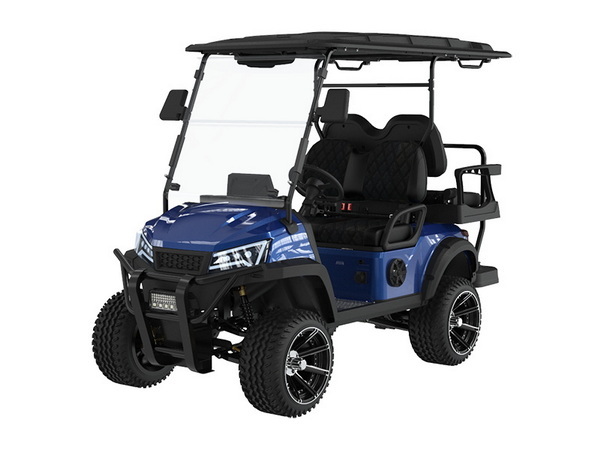
- Confirm that your cart meets local requirements for street use, such as headlights, brake lights, reflectors, turn signals, mirrors, and horns.
- Use seat belts if provided, and ensure all passengers are properly restrained where required.
- Know exactly which roads permit golf carts and follow posted limits.
- Keep extra distance from larger vehicles and avoid their blind spots.
When you share lanes with cars and trucks, visibility, signaling, and defensive driving are essential.
Summary Table of Key Golf Cart Safety Tips
Safety Area | Key Recommendation | Risk If Ignored |
Passenger limits | Carry only as many passengers as there are seats. | Falls, rollovers, loss of control. |
Distracted driving | Avoid phones, eating, or adjusting devices while moving. | Collisions with people, carts, or obstacles. |
Alcohol use | Never drive a golf cart under the influence. | Severe injuries and legal penalties. |
Platforms and cargo | Use platforms only for equipment, not passengers. | Passengers falling from the moving cart. |
Weather and surfaces | Slow down or stop in bad weather or on slick surfaces. | Skids, tip-overs, and poor visibility incidents. |
Pedestrians | Always yield and drive slowly in pedestrian zones. | Injuries, liability, and community complaints. |
Protecting Your Golf Cart Investment
Safe driving habits do more than protect people; they also reduce wear and tear on your golf cart and help maintain its value.
- Smooth acceleration and braking extend the life of brakes, tires, and drivetrain components.
- Respecting passenger and cargo limits reduces stress on the frame, suspension, and battery system.
- Consistent pre-ride inspections help you fix minor issues early, before they become costly failures.
For businesses, communities, and facility managers, strong golf cart safety policies can significantly reduce downtime, accidents, and maintenance expenses.
Choosing the Right Golf Cart and Safety Features
Selecting the right cart configuration and safety equipment makes it much easier to operate safely in your specific environment.
When evaluating or upgrading golf carts, consider:
- Seating capacity that matches your typical passenger load.
- Lighting, mirrors, and turn signals for low-light or road use.
- Seat belts and grab handles for family, elderly, or commercial passengers.
- Weather protection such as windshields, rain covers, and canopies.
- Utility configurations for farms, resorts, campuses, and industrial sites.
Working with a professional manufacturer or OEM partner allows you to configure carts with safety-focused features tailored to your needs, from community shuttles to industrial utility vehicles.
Take the Next Step Toward Safer, Smarter Golf Cart Use
If you operate golf carts at a resort, in a residential community, on a campus, or in an industrial or commercial setting, now is the right time to review your safety practices, update training materials, and consider upgrading to modern carts with improved safety features. Well-planned safety policies, combined with high-quality, professionally manufactured vehicles, protect passengers, reduce legal and maintenance risks, and improve the overall experience for everyone who rides.
Whether you need standard golf carts, utility models, or customized low-speed vehicles, partnering with a specialized OEM manufacturer allows you to integrate the safety, comfort, and durability features that match your exact environment. Take action today by evaluating your current fleet, defining your safety requirements, and reaching out to a reliable golf cart OEM partner who can help you design, build, and support safer carts for the years ahead.
Contact us today to get more information!
Frequently Asked Questions (FAQ)
FAQ 1: Are golf carts really dangerous if they are slow?
Yes. Even at low speeds, sudden stops, sharp turns, falls from the vehicle, or collisions with pedestrians and other carts can cause fractures, head injuries, and other serious harm. The open design of golf carts makes proper driving habits essential.
FAQ 2: Do I need a driver's license to operate a golf cart?
This depends on local regulations. Some jurisdictions require a valid driver's license for operating a golf cart on public roads, while others allow use on private property under more flexible rules. Always check the specific laws in your area before driving.
FAQ 3: Can children drive or ride in golf carts?
In many places, underage drivers are not allowed to operate golf carts on public streets, even inside gated communities. Children may ride as passengers if they are seated properly and follow safety rules, but only responsible and legally allowed drivers should control the cart.
FAQ 4: What safety equipment should a street-legal golf cart have?
Street-legal golf carts and low-speed vehicles typically require headlights, brake lights, turn signals, rearview mirrors, reflectors, and a horn. Some areas also require seat belts and specific registration or insurance. Check local standards to ensure compliance.
FAQ 5: How often should I inspect my golf cart for safety?
A quick visual and functional inspection should be done before each ride, focusing on brakes, steering, tires, lights, and battery or fuel level. For fleets or heavily used carts, schedule regular professional maintenance to keep the vehicles in safe working condition.


