Content Menu
● What Makes Golf Carts So Popular Today?
● Core Benefits of Owning a Golf Cart
>> Everyday Flexibility and Multi-Purpose Use
>> Affordability Compared to Full-Size Vehicles
>> Low Operating Cost and Fuel Savings
● Electric vs Gas Golf Carts: Which Is Better?
● Ease of Use: Simple, Accessible Driving Experience
>> Intuitive Controls
>> Simple to Control in Tight Spaces
● The Fun and Lifestyle Side of Golf Carts
>> Golf Cart Communities and Social Life
>> Everyday Leisure and Comfort
● Practical Uses: Errands, Yard Work, and Light Transport
>> Running Local Errands (Where Legal)
>> Working in Your Yard or Property
● Maintenance Basics: Keeping Your Golf Cart in Top Shape
● Where Golf Carts Fit in Modern Mobility
● How to Choose the Right Golf Cart for Your Needs
>> 1. Define Your Primary Use Case
>> 2. Decide on Electric vs Gas
>> 3. Consider Budget and Feature Levels
● Example Use Case: From Golf Course to Industrial Site
● Conclusion: Why Golf Carts Keep Growing in Popularity
● CTA: Partner With a Professional OEM Golf Cart Manufacturer
● Frequently Asked Questions (FAQ)
>> 1. Are electric golf carts cheaper to run than gas carts?
>> 2. Can I drive a golf cart on public roads?
>> 3. How long do golf cart batteries last?
>> 4. What are common non-golf uses for golf carts?
>> 5. Is it difficult to maintain a golf cart at home?
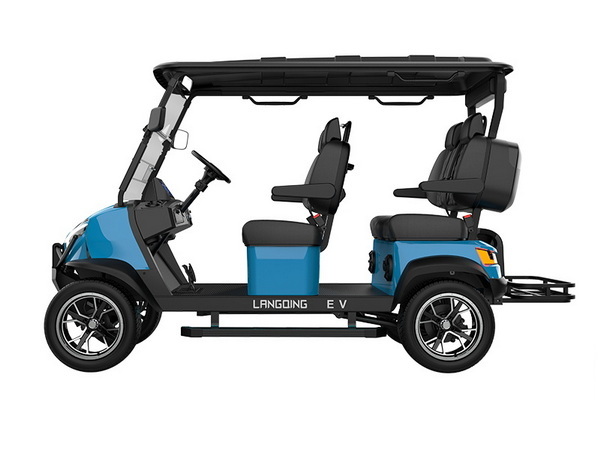
Golf carts have evolved from simple course vehicles into versatile electric utility vehicles used in communities, resorts, warehouses, factories, and private properties around the world. They combine flexibility, affordability, and low operating costs in a compact vehicle that is easy and fun to drive.
What Makes Golf Carts So Popular Today?
Modern golf carts are popular because they offer a powerful mix of practical value and enjoyable driving. They serve in golf communities, hotels, industrial parks, farms, and residential neighborhoods as everyday short-distance transport.
Multi-purpose utility in both work and leisure settings.
Lower purchase price than traditional vehicles.
Very low fuel and maintenance costs for electric models.
Simple, accessible driving experience suitable for a wide age range.
Core Benefits of Owning a Golf Cart
Everyday Flexibility and Multi-Purpose Use
Golf carts are no longer limited to fairways; they are used on golf courses, nature trails, large campuses, industrial facilities, and residential streets where regulations allow. Owners use them for commuting within gated communities, moving tools and materials, and enjoying short leisure drives.
Short trips inside communities to pools, clubhouses, or local shops where permitted.
Transporting equipment across resorts, factories, farms, or construction sites.
Supporting outdoor hobbies like camping, fishing, and hunting with off-road configurations.
Affordability Compared to Full-Size Vehicles
A new golf cart, even with premium features, usually costs a fraction of a traditional car. Used models often reduce the entry cost even further and make ownership accessible for individuals, communities, and small businesses.
Lower purchase costs than standard cars with similar short-distance utility.
Basic maintenance can often be done at home, reducing lifetime costs.
When professional repair is needed, service is typically cheaper than automotive repair.
Low Operating Cost and Fuel Savings
Modern electric golf carts eliminate gasoline purchases, replacing them with low-cost electricity for charging. For daily short-distance use, this saves substantial fuel expenses compared with driving a conventional car for the same trips.
No gasoline required, and no regular engine tune-ups like a traditional vehicle.
Fewer moving parts in the drive system, which usually means fewer failures.
Battery care is the main maintenance priority, and proper charging extends battery life.
Electric vs Gas Golf Carts: Which Is Better?
Both electric and gas golf carts have their advantages, but electric carts are increasingly popular for residential and commercial use. Choosing between them depends on your priorities for cost, noise, emissions, and range.
| Factor | Electric Golf Cart | Gas Golf Cart |
| Energy source | Plug-in charging, powered by batteries. | Gasoline-powered engine. |
| Operating cost | Lower cost per mile with fewer engine components. | Higher fuel costs and more mechanical parts to maintain. |
| Noise | Very quiet, ideal for golf greens and hunting. | Engine noise even when using a muffler. |
| Emissions | No tailpipe emissions. | Produces exhaust emissions. |
| Maintenance | Focus on batteries, tires, brakes, and basic electrical checks. | Requires oil changes, filters, tune-ups, and more complex servicing. |
For most residential, resort, and community applications, electric golf carts are the preferred choice thanks to quiet operation, low emissions, and lower running costs. Gas carts may still be useful where very long range and quick refueling are essential.
Ease of Use: Simple, Accessible Driving Experience
Intuitive Controls
Driving a golf cart is straightforward, even for beginners. You turn the key, press the accelerator, and go, with controls that feel familiar if you have ever driven a car.
Light steering and predictable braking behavior.
Compact size makes tight turns and narrow paths easy to handle.
Typical features include steering wheel, pedals, and a simple forward–reverse selector.
Simple to Control in Tight Spaces
Golf carts are designed for narrow paths and constrained parking spaces. This makes them ideal for golf courses, resorts, warehouses, campuses, and dense residential communities.
Easy navigation on narrow paths and around tight curves.
Convenient to park in small spaces where larger vehicles do not fit.
Practical for indoor–outdoor logistics in large facilities.
The Fun and Lifestyle Side of Golf Carts
Golf Cart Communities and Social Life
In dedicated golf cart communities such as well-known retirement and resort areas, carts are part of a relaxed lifestyle. Residents often decorate their carts and use them as social hubs around the neighborhood.
Festivals, parades, picnics, and local events where golf carts play a central role.
Easy, casual interaction with neighbors during daily rides.
Comfortable, low-speed transport that supports an active lifestyle.
Everyday Leisure and Comfort
For many owners, driving a golf cart is a simple pleasure on warm days. With comfortable seating and optional weather protection, carts can become a favorite way to unwind on weekends or evenings.
Custom seats, wheels, and lighting for a personalized look.
Weather enclosures and windshields to extend the riding season.
Sound systems or storage options to make rides more enjoyable and convenient.
Practical Uses: Errands, Yard Work, and Light Transport
Running Local Errands (Where Legal)
In some areas, golf carts are allowed on certain public roads if they meet local safety and equipment requirements. Always check your regional laws, community rules, and safety standards before driving beyond private property or golf paths.
Where permitted, golf carts can be a practical substitute for cars on short local trips.
Street-legal use typically requires headlights, tail lights, turn signals, and mirrors.
Electric carts can deliver excellent energy efficiency and help you avoid high fuel costs.
Working in Your Yard or Property
Golf carts are excellent helpers for yard work and property maintenance, especially on larger lots. They reduce walking time and make it easier to move tools, supplies, and materials.
Carrying plants, fertilizer, soil, and gardening equipment in a single trip.
Hauling heavier machinery or tools to remote corners of your land.
Attaching small trailers or cargo beds for better load capacity.
Maintenance Basics: Keeping Your Golf Cart in Top Shape
Golf carts are generally simpler and cheaper to maintain than traditional cars, especially electric models. With a few basic routines, you can extend the life of your cart and avoid unexpected breakdowns.
Battery care, including proper charging habits and regular inspection of cables and terminals.
Routine checks of brakes, tires, steering, and lights for safety and comfort.
Periodic professional inspections to catch issues early and maintain performance.
In many communities, experienced owners or local technicians can handle more complex maintenance tasks. This keeps service costs manageable even for larger fleets or commercial users.
Where Golf Carts Fit in Modern Mobility
Electric golf carts are part of the broader shift toward micro-mobility solutions for short-distance travel. They fill an important niche between walking, bicycles, and full-size vehicles, especially in controlled or private environments.
Ideal for closed communities, campuses, resorts, and industrial sites.
Efficient for short trips that do not justify using a full-size vehicle.
Valuable tools for businesses aiming to improve on-site logistics and guest experience.
For property managers and business owners, golf carts help streamline daily operations. They reduce fuel consumption, cut travel time across large areas, and provide a comfortable experience for staff and visitors.
How to Choose the Right Golf Cart for Your Needs
1. Define Your Primary Use Case
Before buying, clearly define how you will use your golf cart most of the time. This will guide your decisions on size, power, seating, and accessories.
Golf course play and club commuting.
Community transportation in resorts, residential areas, or retirement villages.
Utility work on farms, factories, or commercial sites.
Recreational off-road riding or hunting trips.
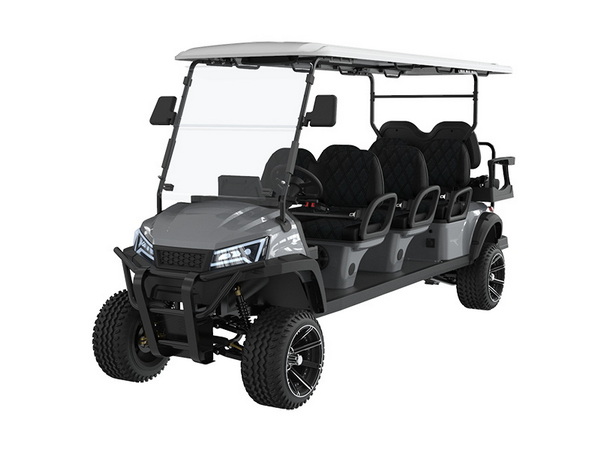
If your focus is golf only, a simple two-seat model may be enough. For families, visitors, and guest transport, a four-seat or six-seat cart is more suitable. For utility-focused tasks, a cart with a cargo box or tow capability is often the best option.
2. Decide on Electric vs Gas
Electric carts are usually the first choice for quiet, low-emission, and low-cost operation. Gas carts can still be relevant where extended range, steep terrain, or quick refueling are critical factors.
Choose electric if you value quiet operation, low running costs, and easy charging.
Choose gas if you need long range, frequent use in remote areas, or heavy towing capacity.
Consider local rules, as some communities limit or regulate gas carts more strictly.
3. Consider Budget and Feature Levels
Golf carts are available across a wide range of price levels, from basic models to high-end configurations. Understanding your budget and expectations will help you select the right segment.
Entry-level: Simple configurations for course or neighborhood use.
Mid-range: Added comfort, stronger performance, and more accessories.
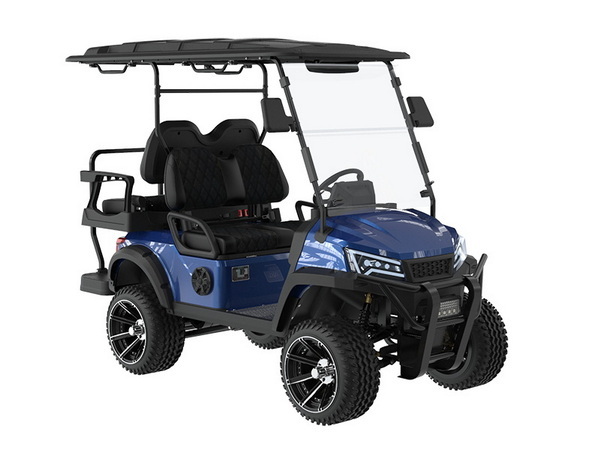
High-end: Lifted suspensions, off-road capability, enhanced power, and premium styling.
Think about accessories such as roofs, windshields, weather enclosures, seating upgrades, lighting, and infotainment. Adding these features at the factory or through an OEM supplier often costs less than retrofitting later.
Example Use Case: From Golf Course to Industrial Site
Imagine a resort with an attached golf course, several hotel buildings, and a maintenance facility. Different golf cart configurations can support both guest experience and daily operations across the entire property.
Passenger carts shuttle players and guests between rooms, clubhouses, and course entrances.
Utility carts move cleaning equipment, laundry, and supplies around the facilities.
Heavy-duty carts transport landscaping tools, fertilizer, and plants to gardens and green areas.
By combining passenger and utility carts, the resort can reduce reliance on larger vehicles, cut fuel consumption, and improve responsiveness. Staff can react quickly to guest requests and maintenance tasks without clogging narrow paths with full-size vehicles.
Conclusion: Why Golf Carts Keep Growing in Popularity
Golf carts bring together flexibility, affordability, and low operating costs in a compact package. They are easy to drive, simple to maintain, and adaptable to everything from golf and leisure to yard work and commercial operations.
Whether you manage a resort, operate an industrial facility, or serve a residential community, a well-chosen golf cart fleet can improve mobility, reduce costs, and enhance daily life. For individual owners, a cart is both a practical tool and an enjoyable way to move around local spaces.
CTA: Partner With a Professional OEM Golf Cart Manufacturer
If you are a brand owner, wholesaler, or manufacturer looking to expand your product line with reliable electric golf carts and small utility vehicles, now is the right time to act. A professional OEM partner can help you tailor designs, configurations, and branding to your specific market needs.
As a specialized factory in China producing golf carts and other small electric vehicles, LANGQING offers OEM services for overseas brands and distributors. Contact our team today to discuss your project, customize specifications, and develop a golf cart solution that fits your performance, quality, and branding requirements.
Contact us today to get more information!
Frequently Asked Questions (FAQ)
1. Are electric golf carts cheaper to run than gas carts?
Yes, electric golf carts are generally cheaper to run because they do not require gasoline and have fewer engine parts. Electricity costs for charging are typically lower than fuel expenses for similar usage.
2. Can I drive a golf cart on public roads?
In some locations, golf carts are allowed on designated public roads if they meet safety and equipment standards. You should always check local laws and community regulations before driving on streets.
3. How long do golf cart batteries last?
Golf cart batteries can last several years when properly maintained. Their lifespan depends on usage intensity, charging habits, temperature conditions, and whether you follow the manufacturer’s maintenance recommendations.
4. What are common non-golf uses for golf carts?
Beyond the golf course, carts are widely used in residential communities, resorts, warehouses, campuses, farms, and industrial sites. Owners also use them for yard work, recreation, and short-distance errands where permitted.
5. Is it difficult to maintain a golf cart at home?
Basic maintenance, such as battery care, tire checks, and visual inspections, is manageable for most owners. For more complex repairs, local technicians or specialized workshops can provide professional support at reasonable cost.


