Content Menu
● Golf Cart Lights Overview: Safety, Style, and Street-Legality
● Why Golf Cart Lights Matter
● Main Types of Golf Cart Light Kits
>> Basic Golf Cart Light Kits
>> Street-Legal (Deluxe) Light Kits
>> Basic vs Street-Legal Kits at a Glance
● Golf Cart Lights for Neighborhood and Beach Use
● Golf Cart Lights for Off-Road Adventures
● Underbody, Interior, and Accent Lights
● LED vs Halogen: Why LED Lights Are the New Standard
● How to Choose the Right Golf Cart Light Kit
>> Step 1: Define Your Primary Use
>> Step 2: Check Local Regulations
>> Step 3: Confirm Compatibility
>> Step 4: Decide on LED vs Halogen
>> Step 5: Plan Your Budget and Upgrade Path
● Installation Basics: Wiring Golf Cart Lights Safely
● Legal and Compliance Considerations
● Practical Use Cases: Matching Lights to Real-World Scenarios
● Expert Tips to Protect Battery Life When Using Lights
● Take the Next Step: Upgrade Your Golf Cart Lighting with a Professional Partner
● FAQs About Golf Cart Lights
>> 1. Can you add lights to an older golf cart?
>> 2. Do you really need a voltage reducer for golf cart lights?
>> 3. Are LED lights bright enough for off-road night driving?
>> 4. What is the difference between street-legal and non-street-legal golf cart light kits?
>> 5. Are underbody and accent lights legal on public roads?
● Citations:
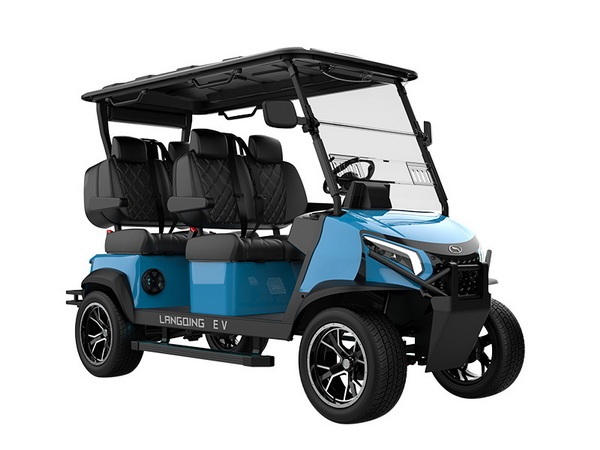
Golf cart lights are no longer just a simple safety add-on; they are a must-have upgrade for neighborhood cruising, beach communities, and serious off-road adventures. The right light kit improves visibility, keeps your cart compliant with local rules, and transforms its look from basic to premium.
Golf Cart Lights Overview: Safety, Style, and Street-Legality
Golf carts have moved beyond the golf course into gated communities, beach towns, farms, and hunting camps, which makes proper lighting critical for both safety and compliance. Whether you drive on quiet streets at dusk or navigate dark forest trails, matching your lighting setup to your driving environment is the foundation of a safe, legal, and stylish cart.
For most owners, this means choosing between basic light kits, street-legal kits, and specialized off-road options such as LED light bars and spotlights. It also means paying close attention to installation, voltage, and your local regulations before you ever flip the switch.
Why Golf Cart Lights Matter
Well-designed golf cart lighting improves how well you see and how well others see you. On public roads and in mixed-traffic neighborhoods, headlights, taillights, brake lights, and turn signals are often required for a cart to be considered street-legal.
In private communities and campsites, lights are still essential to prevent collisions with pedestrians, cyclists, and other carts in low-light conditions. Modern LED technology adds a strong style and efficiency advantage over older halogen systems, offering brighter output, lower energy consumption, and a more modern appearance.
For owners who use their carts for off-road work or recreation, extra lighting such as light bars, underbody lights, and spotlights can dramatically improve night-time usability and safety.
Main Types of Golf Cart Light Kits
Different usage scenarios demand different light configurations. Understanding the differences helps you choose a kit that fits your daily driving reality.
Basic Golf Cart Light Kits
Basic light kits are designed for carts that stay on private property, golf communities, or campgrounds where full road-vehicle signaling is not required. These kits usually include headlights and taillights, and sometimes running lights, delivering essential forward and rear visibility.
Key advantages of basic kits include:
- Lower cost and simpler installation.
- Sufficient for private communities and golf courses.
- A good starting point if you rarely enter public roads.
Street-Legal (Deluxe) Light Kits
Street-legal or deluxe kits add signaling components to make your golf cart compliant with typical low-speed vehicle standards where permitted. These kits generally include headlights, taillights, brake lights, turn signals, and a horn, and sometimes hazard lights.
They are ideal if you:
- Drive in residential streets or mixed traffic.
- Share roads with cars, bicycles, and pedestrians.
- Need to signal turns, braking, and lane changes clearly.
Basic vs Street-Legal Kits at a Glance
Feature / Use Case | Basic Light Kit | Street-Legal Light Kit |
Headlights & taillights | Included | Included |
Turn signals & brake lights | Usually not included | Included |
Horn / hazard lights | Rare | Often included |
Best for | Private property, campsites, golf resorts | Neighborhood streets, mixed traffic, public roads |
Regulatory compliance | Limited | Designed to meet common on-road requirements |
Relative cost | Lower | Higher |
Golf Cart Lights for Neighborhood and Beach Use
When driving a golf cart in neighborhoods, beach communities, or resort areas, you share space with pedestrians, pets, bicycles, and full-size vehicles. In these environments, street-legal light kits are strongly recommended, because they mirror the signaling logic other drivers expect.
For neighborhood and beach use, prioritize:
- Street-legal headlights, taillights, brake lights, and turn signals.
- Reflectors or additional rear lighting for visibility at dusk.
- Optional underbody or accent lighting for side visibility and style.
Adding soft interior or under-roof lighting can also make entering, exiting, and driving the cart at night more comfortable without blinding the driver.
Golf Cart Lights for Off-Road Adventures
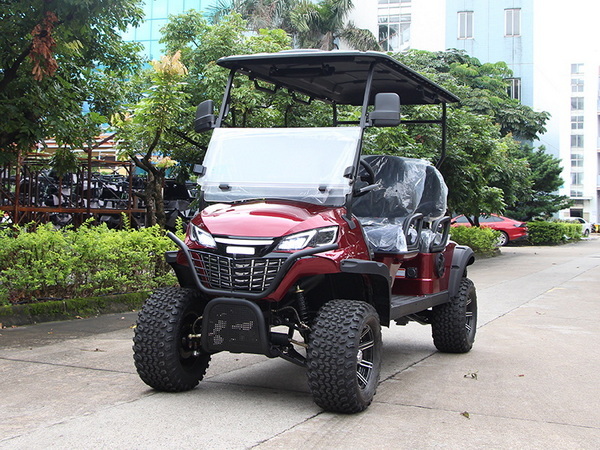
Off-road golf carts used for hunting, farming, fishing, and camping demand more than basic lights. Trail riding after dark, moving through dense woods, or working around a campsite requires wide, bright illumination that lets you detect obstacles early.
Recommended off-road lighting upgrades include:
- Light bars mounted on the roof, front bumper, or brush guard for wide, long-range coverage.
- Spotlights for focused beams that help with tracking game, docking boats, or working in a specific area.
- Underbody and wheel-well lights to see rocks, ruts, and dropped gear around the cart.
Off-road LED light kits are designed to handle vibration, dust, and moisture better than older lighting technology, which improves durability in harsh environments.
Underbody, Interior, and Accent Lights
Underbody and accent lighting is often seen as purely decorative, but it also adds real functional value. Illuminating the ground around your cart makes it easier to see curbs, debris, or uneven surfaces, and helps you spot small items you might drop at night near the vehicle.
Popular locations for accent lighting include:
- Under the body or side rails.
- Inside wheel wells.
- Along the roof line or canopy.
- Under seats, dashboard edges, or floor level inside the cabin.
LED strip lights and multi-color interior kits can create a more premium experience for social rides while still supporting safety when used at appropriate brightness levels.
LED vs Halogen: Why LED Lights Are the New Standard
Halogen lights used to be the default option for many carts, but LED technology has become the new standard for modern lighting upgrades. LEDs draw less power, which helps protect your battery range on electric carts, while producing a brighter, whiter light that improves visibility.
Key benefits of LED golf cart lights include:
- Better energy efficiency and less strain on the battery pack.
- Longer lifespan and reduced maintenance.
- Modern appearance and more configuration options, including multi-color effects and dimming.
- Increased suitability for frequent use and demanding environments.
How to Choose the Right Golf Cart Light Kit
Selecting the correct kit starts with clarifying how and where you drive. A structured decision process helps you avoid mismatched or incomplete setups.
Step 1: Define Your Primary Use
Decide where you use your cart most:
- Neighborhood streets, golf communities, or resorts.
- Private land, farms, or campsites only.
- Off-road trails, hunting areas, or rugged terrain.
Your main use case should drive whether you choose a basic kit, a street-legal kit, or an off-road-focused combination.
Step 2: Check Local Regulations
If you plan to use your golf cart on public roads, confirm what is required for low-speed vehicles or golf carts. In many areas, this includes headlights, taillights, brake lights, turn signals, and sometimes mirrors and a horn.
You should also check whether underglow or flashing lights are restricted and which streets actually permit golf carts or low-speed vehicles.
Step 3: Confirm Compatibility
Make sure the light kit you choose is compatible with your golf cart's brand, model, and voltage. Common pack voltages are 36V and 48V for electric carts, while many light kits are designed for 12V input.
In many cases you will need a voltage reducer to safely connect a 12V light kit to a higher-voltage battery pack.
Step 4: Decide on LED vs Halogen
In most modern setups, LED is the preferred choice. The combination of energy savings, brightness, durability, and customizability makes LED the clear winner for both casual and heavy users.
Step 5: Plan Your Budget and Upgrade Path
If you drive on public roads, start with a street-legal base kit that covers all regulatory essentials. You can then add underbody, interior, and off-road auxiliary lights later as your needs grow.
Installation Basics: Wiring Golf Cart Lights Safely
Proper installation is essential for safety and reliability, especially on electric carts that rely on stable battery performance. While many light kits are designed for DIY installation, incorrectly wired systems can cause shorts, blown fuses, or premature battery wear.
General installation guidelines include:
- Use a voltage reducer if your cart battery pack is 36V or 48V and your light kit is designed for 12V input.
- Route wiring away from moving parts and heat sources, and secure it with clips or ties.
- Follow the manufacturer's diagrams for fuse placement and switch mounting.
- Test each light mode, including low beam, high beam, turn signals, brake lights, hazards, and auxiliary lights, before driving.
If you are not comfortable with electrical work, consider using a professional installer or dealer to complete the installation and protect your vehicle warranty.
Legal and Compliance Considerations
Different regions have their own rules for low-speed vehicles and golf carts on public roads. In many areas, to be considered street-legal, a golf cart must have at least headlights, taillights, brake lights, and turn signals, and sometimes mirrors and a horn.
Before relying on your cart for regular road use:
- Confirm local requirements for lighting and signaling.
- Check whether strobe lights, colored underglow, or flashing patterns are restricted.
- Verify speed-limit rules and the types of streets where golf carts or low-speed vehicles are allowed.
Staying compliant improves safety and helps you avoid fines, vehicle impoundment, or liability issues after accidents.
Practical Use Cases: Matching Lights to Real-World Scenarios
Different drivers have different priorities, so it helps to think in terms of typical real-world use cases and matching configurations.
1- Family neighborhood cruiser
- Street-legal LED kit with headlights, taillights, turn signals, brake lights, and horn.
- Soft underbody or side accent lighting for side visibility and curb appeal.
2- Beach and resort cart
- Corrosion-resistant LED lights with sealed housings suited to humid or salty environments.
- Interior LED strips under the roof or dash for evening gatherings and safer boarding.
3- Farm, ranch, or hunting cart
- High-output LED light bar on the front for wide field illumination.
- Adjustable spotlight for specific tasks or tracking game.
- Underbody lighting to illuminate work areas around the cart at night.
Expert Tips to Protect Battery Life When Using Lights
Lighting affects the energy consumption of electric carts, especially when you add multiple accessories. LED systems help reduce energy draw, but smart usage keeps your cart efficient.
Useful tips include:
- Choose LED kits over halogen to decrease power consumption.
- Turn off non-essential accent or underbody lights when not needed.
- Use separate switches for light bars and auxiliary lights so only critical lights stay on while driving.
- Inspect wiring regularly for corrosion or loose connections that could waste power or cause overheating.
Take the Next Step: Upgrade Your Golf Cart Lighting with a Professional Partner
High-quality golf cart lights are an investment in safety, comfort, and long-term value, especially if you use your cart daily or at night. Whether you need street-legal kits for neighborhood driving or heavy-duty LEDs for off-road adventures, working with a specialized manufacturer helps ensure better compatibility, performance, and durability.
If you are a brand owner, wholesaler, or golf cart manufacturer looking for reliable OEM support, now is the time to collaborate with a professional factory that focuses on golf carts and small electric vehicles. Reach out today to discuss your lighting requirements, customize complete vehicle and light configurations, and start delivering safer, more attractive carts to your customers with confidence.
Contact us today to get more information!
FAQs About Golf Cart Lights
1. Can you add lights to an older golf cart?
Yes, most older carts can be upgraded using aftermarket light kits, as long as you match the kit to your cart's voltage and follow safe wiring practices. In some cases you may need a voltage reducer or additional wiring to handle the extra electrical load.
2. Do you really need a voltage reducer for golf cart lights?
If your cart runs on a 36V or 48V battery pack and your light kit is designed for 12V, a voltage reducer is highly recommended. It helps protect both the lights and the batteries from damage and ensures your system runs reliably.
3. Are LED lights bright enough for off-road night driving?
Modern LED light bars and spotlights provide wide, high-intensity illumination and are commonly used on off-road carts. For most users they offer more than enough brightness for trails, campsites, and farm work after dark.
4. What is the difference between street-legal and non-street-legal golf cart light kits?
Non-street-legal kits usually include only basic headlights and taillights. Street-legal kits add turn signals, brake lights, and a horn, and are designed to meet common requirements for using golf carts or low-speed vehicles on public roads.
5. Are underbody and accent lights legal on public roads?
Rules vary by region. Some areas restrict certain colors, flashing patterns, or strobe effects, especially on public roads. Always check your local regulations before driving with decorative lighting in traffic.
Citations:
1. https://blackoakled.com/blogs/black-oak-led-blog/how-to-wire-golf-cart-lights
2. https://doubleeaglegolfcarts.com/blogs/tips-guides/top-5-reasons-to-upgrade-to-led-lights-for-your-golf-cart
3. https://golfcarts.com/light-up-your-ride-a-guide-to-golf-cart-lights-for-neighborhood-outdoor-and-off-road-adventures/
4. https://golfcarts.org/led-lights-for-golf-carts-a-complete-guide/
5. https://golfcartstuff.com/blogs/news/golf-cart-lights-your-questions-answered


