Content Menu
● What Type of Motor Is in Electric Golf Carts?
● How DC Golf Cart Motors Work
>> Series DC Motors: High Torque for Heavy Duty
>> Regen (Sepex) DC Motors: Regenerative Braking and Extended Range
● How AC Golf Cart Motors Work
>> AC Conversion Kits: Upgrading from DC to AC
>> Speed Sensor Technology in AC Systems
● DC vs AC: Which Motor Type Is Right for Your Golf Cart?
>> DC vs AC Motor Characteristics in Electric Golf Carts
>> Maintenance Considerations
>> Top Speed and Performance Requirements
>> Terrain and Driving Conditions
● Practical Steps to Choose the Best Golf Cart Motor Setup
● Safety, Compliance, and Motor Selection
● Total Cost of Ownership (TCO) for DC vs AC Systems
● When to Consider an AC Conversion Kit
● OEM and Wholesale Buyers: Partner With a Dedicated Electric Golf Cart Manufacturer
● Take the Next Step for Your Electric Golf Cart Fleet
● FAQs About Electric Golf Cart Motors
>> 1. What type of motor do most electric golf carts use today?
>> 2. Is an AC golf cart motor faster than a DC motor?
>> 3. Do all DC motors have regenerative braking?
>> 4. Is it difficult to convert a DC golf cart to AC?
>> 5. How do I choose the right motor for hilly terrain?
● Citations:
Electric golf carts are now essential low‑speed vehicles in resorts, gated communities, campuses, industrial parks, and golf courses because they are quiet, low‑maintenance, and emission‑free at the point of use. At the heart of every electric golf cart is its motor, and the choice between a DC (direct current) motor and an AC (alternating current) motor has a major impact on torque, range, speed, and total cost of ownership.
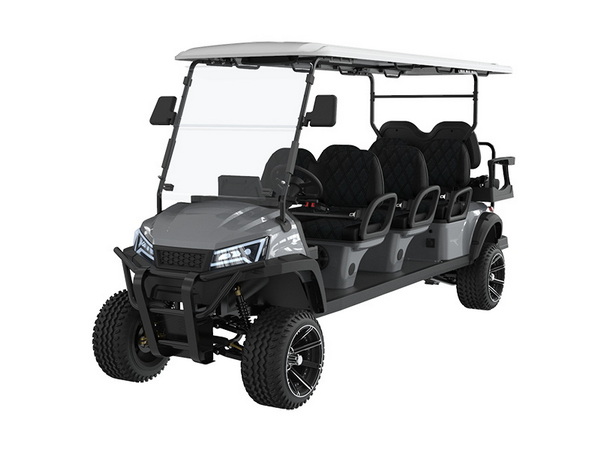
What Type of Motor Is in Electric Golf Carts?
Most traditional electric golf carts use DC motors, either in series or separately excited (Sepex) configurations. Newer and higher‑performance models increasingly adopt AC motors, often in combination with upgraded controllers and higher‑voltage battery systems.
In practical terms:
- Entry‑level and older fleet carts usually use DC series or Sepex motors.
- Newer premium or street‑legal carts often use AC motors with advanced controllers and speed sensors.
- Custom or lifted carts may start as DC and then be upgraded using AC conversion kits.
For OEM buyers, understanding these architectures helps you specify the right motor and controller package for each application segment, including golf course fleets, hospitality, industrial, or personal use.
How DC Golf Cart Motors Work
DC golf cart motors use a continuous current flow in one direction to generate torque at the motor shaft. In electric golf carts you will mainly see two DC configurations: series motors and separately excited (Sepex or regen) motors.
Series DC Motors: High Torque for Heavy Duty
A series DC motor connects the armature winding and field winding in series, creating a strong magnetic field and very high starting torque. This makes series motors ideal for:
- Stop‑and‑go driving on golf courses
- Steep hills and uneven terrain
- Heavy loads, such as multiple passengers or cargo beds
Key advantages of series DC motors include:
- Excellent low‑speed torque, giving powerful hill‑climbing performance
- Simple, proven design with widely available replacement parts
- Predictable behavior for fleet operators and maintenance teams
However, series DC motors generally have lower peak efficiency than modern AC motors and offer less precise speed control without additional electronics.
For fleets in hilly resorts or industrial sites carrying tools and materials, a properly sized series DC motor remains a robust and cost‑effective choice.
Regen (Sepex) DC Motors: Regenerative Braking and Extended Range
Regen DC motors, often used in separately excited (Sepex) systems, can convert kinetic energy back into electrical energy during braking and feed it into the battery pack. This process is called regenerative braking.
Benefits of regen DC motors for golf carts include:
- Increased driving range because some energy is recaptured when slowing down
- Smoother braking feel, especially on slopes
- Better control at low speeds, helpful in resorts, hunting, and off‑road scenarios
Regen motors are especially attractive for:
- Hunting carts and off‑road buggies that constantly speed up and slow down
- Community shuttles in mixed or rolling terrain
- Applications where extended range on a single charge is a priority
How AC Golf Cart Motors Work
AC motors work by reversing the direction of current flow periodically, creating a rotating magnetic field that drives the motor shaft. In golf carts, AC systems pair the motor with an electronic controller that precisely manages torque and speed.
Compared with DC motors, AC golf cart motors typically offer:
- Higher efficiency, especially at mid to high speeds
- Smoother acceleration and more refined throttle response
- Reduced routine maintenance because there are no brushes to replace
- Improved reliability and thermal performance under continuous load
For OEMs supplying premium or road‑going low‑speed vehicles, AC motors are now a common choice to meet user expectations for performance and refinement.
AC Conversion Kits: Upgrading from DC to AC
AC conversion kits allow owners or OEM partners to upgrade a DC golf cart platform to AC power rather than designing a completely new vehicle. A typical AC conversion kit includes:
- AC motor sized for the specific cart platform
- Matched AC motor controller or inverter
- Wiring harness and programming support
- Sometimes upgraded throttle or speed sensor components
The conversion process generally involves:
1. Removing the existing DC motor and controller.
2. Installing the new AC motor, controller, and harness.
3. Configuring parameters such as speed limits, torque curves, and braking behavior.
Practical advantages of AC conversion include:
- Higher top speed without sacrificing reliability
- Strong climbing ability with smoother, quieter operation
- Lower long‑term maintenance due to brushless construction
For fleet operators or brand owners with large installed bases of DC carts, offering AC conversion options can create a new revenue stream while extending the life of existing vehicles.
Speed Sensor Technology in AC Systems
Most modern AC golf carts use a speed sensor mounted on the motor to monitor shaft rotation and provide real‑time feedback to the controller. This enables the controller to regulate torque, speed, and regenerative braking precisely.
Benefits of speed sensor technology include:
- Smooth and predictable acceleration, reducing sudden jerks
- Fine‑tuned speed control for different modes, such as eco, normal, and sport
- Improved safety by avoiding sudden acceleration or deceleration
For applications such as resorts, airports, or theme parks where passengers may stand or hold luggage, this smooth and controlled behavior significantly improves user comfort and safety.
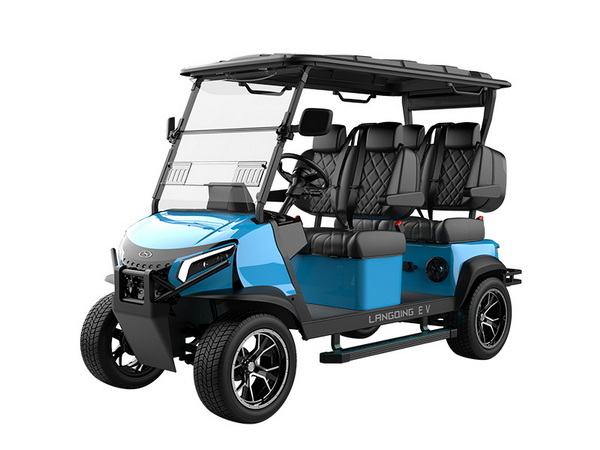
DC vs AC: Which Motor Type Is Right for Your Golf Cart?
Choosing between DC and AC motors depends on your terrain, usage, speed expectations, maintenance strategy, and budget. The table below summarizes key differences for quick reference.
DC vs AC Motor Characteristics in Electric Golf Carts
Aspect | DC Series / Regen Motors | AC Motors |
Torque at low speed | Very strong hill-climbing torque | Strong, more linear delivery |
Efficiency | Moderate to good | High, especially at speed |
Regenerative braking | Available on Sepex or regen systems | Common and highly configurable |
Maintenance | Brushes and some wear items | Lower, brushless design |
Speed control | Good with modern controllers | Very precise with advanced controllers |
Top speed potential | Moderate to high | High, often better at the same voltage |
Upfront system cost | Generally lower | Generally higher |
Best use cases | Heavy loads, steep terrain, basic fleets | Premium carts, mixed use, street-legal LSVs |
Maintenance Considerations
DC motors are generally considered easier to maintain because the technology is simple and well‑understood, and many technicians already have experience with them. However, AC motors often need less frequent maintenance overall because they have fewer wear parts.
Consider DC motors if:
- You operate in areas with limited access to advanced diagnostic tools.
- Your in‑house technicians are already trained on DC systems.
Consider AC motors if:
- You need to minimize downtime and routine brush replacement.
- You manage a large modern fleet and can invest in AC‑compatible diagnostic equipment.
Top Speed and Performance Requirements
If high top speed is your priority, AC motors with a higher‑voltage system usually provide better performance. Combined with the right controller programming, AC setups deliver brisk acceleration while allowing you to enforce safe speed limits.
Choose AC motors when:
- You need higher speed for community roads or campus shuttles.
- You require multiple speed modes for different users, such as staff versus guests.
DC motors can still be configured for good performance, but at a given voltage and within safety limits, AC systems typically offer a better balance of speed and control.
Terrain and Driving Conditions
Series DC motors remain very strong in steep or uneven terrains, providing robust torque at low speed. This makes them well‑suited for:
- Hilly golf courses
- Off‑road hunting applications
- Construction or maintenance carts carrying heavy tools
On flatter areas such as residential communities, resorts, and campuses, AC motors provide smoother and more efficient operation. For OEMs targeting mixed‑use or urban LSVs, AC systems can satisfy both performance and efficiency requirements.
Practical Steps to Choose the Best Golf Cart Motor Setup
For brand owners, distributors, and OEM partners, a structured decision process will help you specify the right motor for each product line.
1. Define the primary use case
Clarify whether the vehicle is for golf course fleets, resort shuttles, industrial logistics, security patrols, or personal use.
2. Map typical terrain and load
Document whether routes are flat or hilly, paved or off‑road, and whether you mainly transport passengers or heavy cargo.
3. Set performance targets
Decide on required top speed, acceptable 0–20 km/h acceleration, and desired range per charge for each model.
4. Select motor architecture
Choose DC series for maximum low‑speed torque and simplicity, regen DC for range and braking, or AC for high efficiency and refined performance.
5. Match controller and battery system
Ensure controller current rating, battery voltage, and capacity align with the motor choice and target performance.
6. Plan for maintenance and support
Consider technician training, spare parts inventory, diagnostics, and upgrade paths for the next five to ten years.
By following these steps and working with an experienced OEM supplier, you can standardize a motor portfolio that suits multiple market segments without unnecessary complexity.
Safety, Compliance, and Motor Selection
Beyond performance, safety and regulatory compliance are critical when choosing an electric golf cart motor system, especially for low‑speed vehicles that operate on public or semi‑public roads.
Key considerations include:
- Controller‑controlled speed limits and programmable modes to comply with local LSV regulations
- Predictable regenerative braking behavior, especially on downhill slopes
- Thermal management and protection to avoid motor or controller overheating
For international OEMs exporting to multiple regions, selecting motor systems that integrate easily with lighting, signaling, and safety subsystems helps streamline certification and reduce time‑to‑market.
Total Cost of Ownership (TCO) for DC vs AC Systems
Although AC systems can be more expensive initially, total cost of ownership often looks different over the full life of the vehicle.
TCO components you should evaluate:
- Energy consumption over thousands of operating hours
- Maintenance, including DC brush replacement versus AC systems with fewer wear parts
- Downtime cost, especially for commercial fleets that generate revenue every operating hour
In fleets that run every day, AC systems may recover the price difference through lower energy and maintenance costs, while smaller or seasonal fleets may still favor the lower initial investment of DC setups.
When to Consider an AC Conversion Kit
If you already operate DC golf carts, you do not always need to replace the entire vehicle to access AC performance. An AC conversion kit can be a strategic upgrade when:
- Your fleet needs higher speed to serve expanded routes
- You want smoother performance for VIP transport or resort guests
- You intend to extend the service life of structurally sound vehicles
Before converting, evaluate:
- Chassis and brake condition to ensure the cart can safely handle increased performance
- Battery health and voltage compatibility with the new system
- Availability of qualified technicians to complete the conversion and programming
This approach lets operators and brand owners migrate gradually to AC technology with controlled investment.
OEM and Wholesale Buyers: Partner With a Dedicated Electric Golf Cart Manufacturer
If you are a brand owner, wholesaler, or regional assembler looking for a reliable OEM partner, working directly with a specialized electric golf cart and low‑speed vehicle manufacturer gives you more flexibility and control. An experienced factory can:
- Customize DC or AC motor and controller packages for your market
- Offer tailored configurations for golf courses, resorts, communities, industrial sites, and hunting or off‑road applications
- Provide long‑term technical support, spare parts, and upgrade paths such as AC conversion solutions
With a comprehensive catalog of low‑speed vehicles and component options, you can build differentiated product lines under your own brand while relying on a stable, scalable production base.
Take the Next Step for Your Electric Golf Cart Fleet
Whether you need high‑torque DC solutions for challenging terrain or efficient AC systems for modern fleets, choosing the right motor and drive package will define your vehicle's performance, reliability, and running costs for years. If you are planning your next golf cart or low‑speed vehicle project, contact our OEM engineering and sales team today to discuss your target market, performance requirements, and customization needs so we can design and manufacture the ideal DC or AC motor solution under your brand.
Contact us today to get more information!
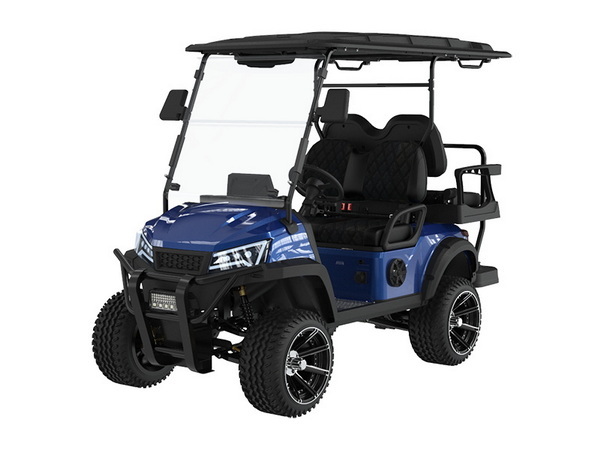
FAQs About Electric Golf Cart Motors
1. What type of motor do most electric golf carts use today?
Most traditional golf carts still use DC motors, but AC motors are increasingly common in newer premium or higher‑performance models.
2. Is an AC golf cart motor faster than a DC motor?
At similar voltage and controller settings, AC motors typically support higher safe top speeds and smoother acceleration than comparable DC setups.
3. Do all DC motors have regenerative braking?
No. Only regen or Sepex DC systems are designed for regenerative braking; simple series DC motors do not automatically feed energy back to the batteries.
4. Is it difficult to convert a DC golf cart to AC?
With a well‑designed AC conversion kit, the process is straightforward for qualified technicians, but it still requires correct installation, programming, and safety checks.
5. How do I choose the right motor for hilly terrain?
For steep hills and heavy loads, a high‑torque DC series motor or a properly sized AC system with strong low‑speed torque mapping will provide reliable climbing performance.
Citations:
1. https://golfcarts.com/what-type-of-motor-is-in-electric-golf-carts/
2. https://golfcarts.com/how-do-electric-golf-carts-work/
3. https://ddmotorsystems.com/DCvsACGolfCarts.php


