Content Menu
● Step 1 – Define How You Will Use the Pre‑Owned Golf Cart
● Step 2 – Electric vs Gas Pre‑Owned Golf Carts
>> Electric Used Golf Carts – Pros and Cons
>> Gas Used Golf Carts – Pros and Cons
● Step 3 – Battery Health: The Most Expensive Wear Item
>> What to Check on Used Golf Cart Batteries
>> Test‑Drive Battery Performance
● Step 4 – Frame, Body, and Structural Integrity
>> Frame and Chassis
>> Body Panels and Cosmetics
● Step 5 – Tires, Wheels, Suspension, and Steering
>> Tires and Wheels
>> Suspension and Steering
● Step 6 – Brakes, Motor, and Drive System
>> Brake System
>> Motor and Drive Components (Electric Carts)
>> Engine and Drivetrain (Gas Carts)
● Step 7 – Electrical System and Accessories
>> Electrical Checks
>> Accessories and Upgrades
● Step 8 – Age, Brand, and Model Considerations
>> Determining Age, Make, and Model
>> Why Brand Matters
● Step 9 – Maintenance Records, Usage History, and Seller Type
>> Maintenance Records and Usage History
>> Private Seller vs Certified Dealer
● Step 10 – Price, Total Cost of Ownership, and Negotiation
>> Compare Prices and Build a Realistic Budget
>> Negotiation Tips
● Practical Used Golf Cart Inspection Checklist
● Fleet, Resort, and Commercial Buyers: What to Look For
● When a Customized OEM Cart Is a Better Choice
● Make a Confident, Well‑Documented Purchase
● Take the Next Step Today
● FAQs About Buying a Pre‑Owned Golf Cart
>> 1. How many years should a pre‑owned electric golf cart battery last?
>> 2. What is the biggest red flag when buying a used golf cart?
>> 3. Is an electric or gas used golf cart better?
>> 4. How important are maintenance records on a pre‑owned golf cart?
>> 5. Should I buy a used golf cart from a dealer or a private seller?
● Citations:
Buying a pre‑owned golf cart can save a lot of money while still giving you a reliable vehicle for golf courses, gated communities, resorts, campuses, or industrial parks. To avoid costly mistakes, you need a structured inspection checklist, clear budget expectations, and a strategy for choosing the right seller and brand.
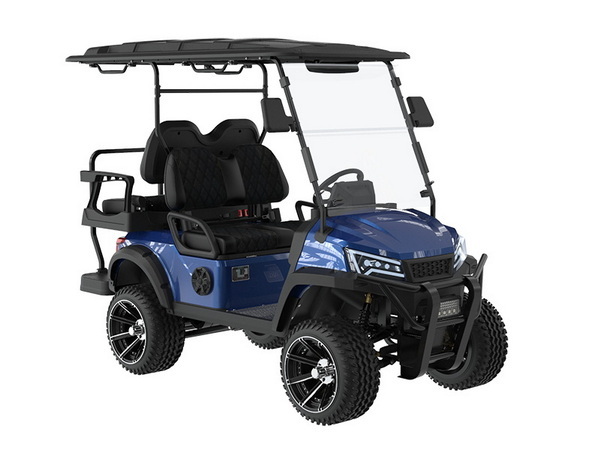
Step 1 – Define How You Will Use the Pre‑Owned Golf Cart
Before looking at any cart, be very clear about where, how often, and how heavily you will use it. Your usage scenario directly affects which specifications are truly important.
Key usage questions:
- Will you drive mainly on a golf course, in a neighborhood, or in commercial and industrial areas?
- Do you need to carry 2, 4, or 6 passengers, or mostly cargo and tools?
- How often will it run: daily, only on weekends, or seasonally?
- Is a street‑legal configuration important in your region (lights, mirrors, signals, VIN where applicable)?
Your answers determine the ideal motor type, battery capacity, suspension strength, tire style, and accessories you should prioritize in a pre‑owned golf cart.
Step 2 – Electric vs Gas Pre‑Owned Golf Carts
Choosing between electric and gas is one of the most important early decisions when buying a used golf cart. Each has strengths and trade‑offs depending on your environment and use case.
Electric Used Golf Carts – Pros and Cons
Electric carts power the majority of modern fleets thanks to their smooth operation and low noise.
Advantages:
- Quieter operation, ideal for residential communities and resorts.
- Lower day‑to‑day operating cost if your electricity rates are reasonable.
- Fewer moving parts than gas engines, which can mean less routine mechanical maintenance.
Disadvantages:
- Battery pack replacement is a major cost and must be planned into your budget.
- Limited range per charge compared with refueling a gas cart.
- Requires appropriate charging infrastructure and a compatible, reliable charger.
Gas Used Golf Carts – Pros and Cons
Gas carts remain popular where long routes, higher loads, or demanding terrain are common.
Advantages:
- Fast refueling and extended range for large properties or hilly terrain.
- Strong torque for towing or hauling tools and equipment.
Disadvantages:
- More noise and emissions, which some communities restrict or discourage.
- Engine maintenance such as oil changes, filter replacements, and belt checks is more frequent than basic electric service.
Pro tip: If you choose an electric pre‑owned golf cart, always inspect the charger brand, condition, and compatibility; replacing a damaged or incompatible charger adds to your total cost quickly.
Step 3 – Battery Health: The Most Expensive Wear Item
For electric pre‑owned golf carts, the battery pack is usually the single largest future expense. Understanding its condition can make the difference between a bargain and a money pit.
What to Check on Used Golf Cart Batteries
- Age of batteries: Ask for the manufacturing date stamped on each battery case or shown on labels. Newer packs usually indicate lower immediate replacement risk.
- Visual condition: Look for corrosion on terminals, damaged or loose cables, bulging cases, or signs of leakage.
- Maintenance history: Confirm whether the seller regularly checked water levels in flooded lead‑acid batteries and kept terminals clean.
Test‑Drive Battery Performance
During your test drive, you are not just checking comfort; you are stress‑testing battery performance.
- Drive on both flat and sloped areas and notice any sudden power drops.
- Ensure the cart accelerates smoothly without hesitation.
- Check that the cart maintains power consistently over a reasonable distance rather than weakening quickly.
Step 4 – Frame, Body, and Structural Integrity
Rust or frame damage can turn a cheap used golf cart into an expensive mistake. Structural condition should always be a non‑negotiable inspection point.
Frame and Chassis
- Inspect the underside for rust, cracks, or bent components, especially around welds and mounting points.
- Look for signs of previous structural repairs or modifications that could affect alignment and safety.
- Heavy corrosion in key areas is often a strong reason to walk away, even if the price seems attractive.
Body Panels and Cosmetics
- Look for large cracks, mismatched paint, or poorly aligned panels that may indicate past accidents.
- Check for water damage under the floor mats and in storage compartments.
- While cosmetic issues can be negotiated into the price, always prioritize structural soundness over appearance.
Step 5 – Tires, Wheels, Suspension, and Steering
Your ride comfort and safety depend heavily on the condition of these components. They also reveal how carefully the cart was maintained.
Tires and Wheels
- Inspect tread depth and ensure wear is even across each tire; uneven wear may signal alignment or suspension problems.
- Look for sidewall cracks, flat spots, or dry‑rot, especially on older carts stored outdoors.
- Confirm wheel condition by checking for bends, cracks, or loose lug nuts.
Suspension and Steering
During a thorough test drive, you should:
- Evaluate steering responsiveness and ensure there is no excessive play in the wheel.
- Listen for clunks, squeaks, or rattles when going over bumps, which can indicate worn suspension components.
- Make sure the cart tracks straight on a flat surface without pulling to one side.
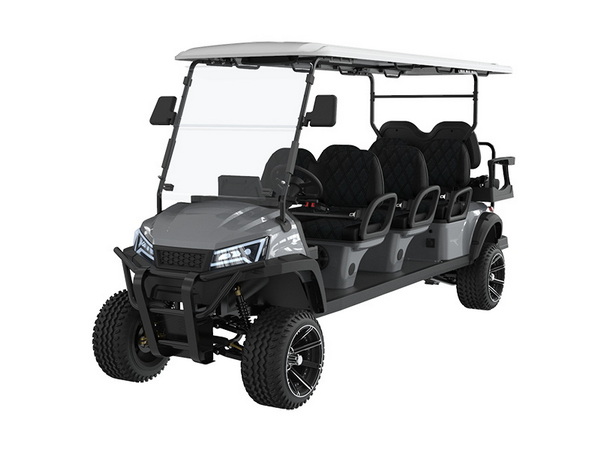
Step 6 – Brakes, Motor, and Drive System
A pre‑owned golf cart must stop and pull consistently to be considered safe and reliable. Never skip checking the braking and drive systems.
Brake System
- Test braking from low and moderate speeds and check for vibration, pulling, or grinding noises.
- Inspect brake cables and linkages for corrosion, fraying, or stiffness.
- Where accessible, inspect drums or discs for obvious scoring and uneven wear.
Motor and Drive Components (Electric Carts)
- Listen for unusual noises from the electric motor during acceleration and cruising.
- After a longer test drive, check for excessive heat around the motor area.
- Inspect visible wiring, controllers, and connectors for damage or amateur modifications.
Engine and Drivetrain (Gas Carts)
For gas pre‑owned golf carts, expand your inspection:
- Check for oil leaks, fuel leaks, and signs of poor maintenance around the engine bay.
- Listen for knocking, rough idling, or hard starting.
- Ask when the engine was last serviced, including oil, filters, belts, and spark plugs.
Step 7 – Electrical System and Accessories
Modern used golf carts often come with lights, USB ports, sound systems, and upgraded dashboards that add value when functioning properly.
Electrical Checks
- Test all lights, turn signals, brake lights, and horn.
- Confirm the charger functions correctly and matches the cart's voltage and connector style.
- Inspect wiring for exposed copper, poor‑quality splices, or non‑factory connectors that might cause future failures.
Accessories and Upgrades
Upgrades can significantly increase the practical value of a pre‑owned golf cart.
Common value‑adding features include:
- Lift kits, off‑road or all‑terrain tires, and enhanced suspension.
- Weather enclosures, windshields, roofs, and storage boxes.
- Extra seating, rear flip seats, or cargo beds for multi‑purpose use.
Always ask whether upgrades are professionally installed and whether they are compatible with the cart's original design.
Step 8 – Age, Brand, and Model Considerations
Not all pre‑owned golf carts age the same way. Brand support and parts availability have a direct impact on your long‑term ownership experience.
Determining Age, Make, and Model
- Ask for the serial number and decode it using the manufacturer's references to confirm year and model.
- Research whether parts for that specific model remain easy to source and reasonably priced.
Why Brand Matters
Reputable brands often have better parts networks and resale value.
- Choosing a well‑known brand simplifies service, especially for fleet and commercial applications.
- Off‑brand carts may cost less upfront but become expensive if parts are hard to find or require long lead times.
Step 9 – Maintenance Records, Usage History, and Seller Type
Understanding how the cart was used and cared for is as important as its current appearance. A clean body can still hide a rough history.
Maintenance Records and Usage History
- Ask for logs of regular servicing, including battery maintenance, brake checks, and electrical repairs.
- Clarify where the cart was used: golf courses, rental fleets, residential neighborhoods, or industrial sites.
- High‑use fleet carts may have more wear but sometimes receive better scheduled maintenance than casual private carts.
Private Seller vs Certified Dealer
Buying from a certified dealer can provide additional assurances.
- Certified pre‑owned carts often undergo standardized inspections and reconditioning.
- Dealers may offer limited warranties and documented service history.
- Private sellers can offer lower prices but usually provide no warranty and limited documentation, so your own inspection must be extremely thorough.
Step 10 – Price, Total Cost of Ownership, and Negotiation
The cheapest used golf cart is not always the best value once repairs and upgrades are included. Look beyond the sticker price.
Compare Prices and Build a Realistic Budget
- Compare similar carts (same year, brand, battery age, and accessories) across multiple sellers.
- Factor upcoming costs such as battery replacement, tire replacement, brake service, or cosmetic repairs.
A simple way to view value is:
Factor | Example Cost Impact (Approximate) | Why It Matters on a Used Cart |
Battery replacement | Often hundreds to low thousands | Major future expense that directly affects range and reliability. |
Suspension or shock repairs | Several hundred in parts and labor | Impacts comfort, stability, and safety. |
Clutches / drivetrain repairs | Up to four figures on some models | Critical for performance, towing, and hill climbing. |
Negotiation Tips
- Use objective inspection findings such as battery age, tire wear, and cosmetic damage to justify a lower price.
- Ask whether the seller is willing to include new tires, a fresh service, or a battery check as part of the deal.
- Be prepared to walk away if major issues appear and the seller refuses to adjust the price accordingly.
Practical Used Golf Cart Inspection Checklist
To turn this guidance into action, use the following simple checklist during on‑site inspections.
Before you go:
1. Confirm whether you want electric or gas and define your maximum budget.
2. Shortlist two or three brands or models common in your area for easier service and parts support.
On‑site inspection:
1. Walk around the cart and check frame, chassis, and body for rust, cracks, or serious damage.
2. Inspect batteries for age, corrosion, leaking, and cable condition.
3. Check tires and wheels for even wear and structural issues.
4. Test all lights, horn, and any accessories.
5. Test drive and evaluate steering, suspension comfort, braking, acceleration, and noise.
6. Ask for maintenance records and clarify usage history.
7. Review the price alongside your estimated upcoming repair or upgrade costs.
Fleet, Resort, and Commercial Buyers: What to Look For
If you are buying multiple pre‑owned golf carts for a community, resort, or industrial site, your priorities differ slightly from those of an individual buyer.
Key considerations for fleet buyers:
- Aim for consistent models and brands to simplify parts inventory and maintenance training.
- Confirm that the seller can provide multiple units with similar age, battery life, and condition.
- Ask about previous fleet management practices, such as battery rotation and scheduled servicing intervals.
Standardizing your fleet makes it easier to work with manufacturers and suppliers for customized configurations, spare parts support, and long‑term service relationships.
When a Customized OEM Cart Is a Better Choice
For some buyers, a highly customized pre‑owned golf cart or a new OEM‑built cart can be a smarter long‑term option than a random used unit.
You may prefer an OEM or custom‑configured solution if you:
- Need a specific layout such as extra seats, a cargo bed, tool racks, or specialty bodies.
- Require carts tuned to your terrain, including suspension, motor power, gearing, and braking setup.
- Plan to run carts intensively in commercial and industrial environments and want tighter control over build quality and components.
Working with a specialized manufacturer of golf carts and low‑speed electric vehicles allows you to standardize specifications, simplify maintenance, and scale your fleet with consistent performance.
Make a Confident, Well‑Documented Purchase
A great pre‑owned golf cart feels solid, drives smoothly, brakes confidently, and comes with clear evidence of regular maintenance and responsible use. When you combine a structured inspection checklist with realistic pricing and brand research, you drastically reduce the risk of expensive surprises.
If you are planning to purchase multiple pre‑owned carts or want reliable OEM‑level configurations tailored for golf courses, resorts, communities, or industrial sites, now is the ideal time to define your usage requirements, shortlist your preferred specifications, and contact a professional golf cart and electric‑vehicle manufacturer who can support you with both pre‑owned and custom models built around your exact needs.
Take the Next Step Today
If you are ready to move from research to action, start by listing your ideal cart capacity, terrain, annual usage hours, and preferred power type, then set a clear budget range. With this checklist in hand, reach out to a trusted golf cart manufacturer or dealer, share your requirements, and request tailored pre‑owned or OEM‑configured options so you can secure reliable carts that match your exact needs and deliver long‑term value.
Contact us today to get more information!
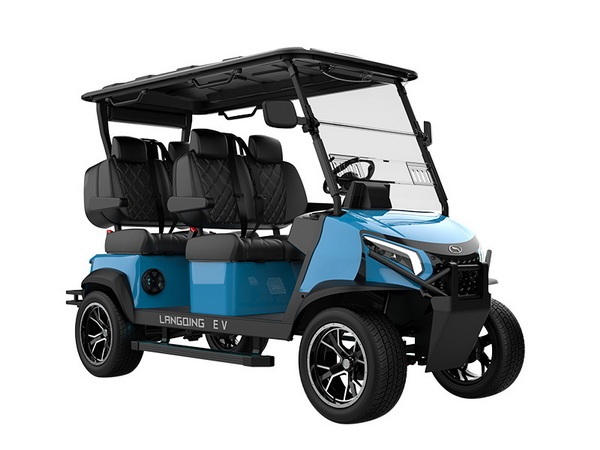
FAQs About Buying a Pre‑Owned Golf Cart
1. How many years should a pre‑owned electric golf cart battery last?
Depending on maintenance and usage, lead‑acid batteries in a used golf cart often last around three to six years. Heavy use, poor charging habits, or neglect can shorten that range, so always ask for battery age and maintenance details when evaluating a pre‑owned cart.
2. What is the biggest red flag when buying a used golf cart?
The most serious red flags include heavy frame rust, cracked chassis welds, and neglected batteries showing leakage or severe corrosion. These issues can create high repair costs and long downtime, making another cart a better choice even if the initial price looks appealing.
3. Is an electric or gas used golf cart better?
Electric carts usually work best in quiet residential and resort environments, while gas carts often suit long‑range, hilly, or heavy‑duty applications. The better option depends on your terrain, usage hours, local noise rules, and access to charging or fuel.
4. How important are maintenance records on a pre‑owned golf cart?
Maintenance records show whether the previous owner regularly serviced brakes, batteries, and other critical systems, which directly affects reliability. A cart with complete and consistent records is usually a safer choice than one with an unknown or undocumented history.
5. Should I buy a used golf cart from a dealer or a private seller?
Dealers often provide inspections, limited warranties, and certified pre‑owned programs, which reduce risk for many buyers. Private sellers may offer lower prices but usually sell carts “as is,” so your inspection, test drive, and negotiation skills become especially important.
Citations:
[1] https://10l0l.com/blogs/blog/what-to-look-for-when-buying-a-used-golf-cart-expert-tips-and-practical-advice
[2] https://www.morgolfmn.com/blog/how-to-choose-pre-owned-golf-carts
[3] https://www.gowithgarretts.com/what-to-look-for-when-buying-a-used-golf-cart-tips-checklist/
[4] https://thecartfinder.com/2026/04/17/what-to-look-for-when-buying-a-used-golf-cart/
[5] https://www.golfcartsoflouisiana.com/blog/top-factors-to-consider-when-buying-a-used-golf-cart--96725
[6]
https://golfcarts.com/what-to-look-for-when-buying-a-pre-owned-golf-cart/


