Content Menu
● What This 2026 Golf Cart Licensing Guide Covers
● Key Golf Cart Terms and Definitions
● Do You Need a License to Drive a Golf Cart?
● State by State Overview: Florida, California, Texas
>> Florida Golf Cart License Requirements
>> California Golf Cart License Requirements
>> Texas Golf Cart License Requirements
● Typical Age Requirements for Golf Cart Drivers
● What Makes a Golf Cart Street Legal?
● Titles, Registration, and Insurance
● Core Safety Standards and Maintenance Best Practices
● Practical Checklist Before You Drive a Golf Cart on the Road
● State Highlights for Golf Cart Licensing
● How Professional Manufacturers Support Compliance
● Why Golf Cart Regulations Matter in 2026
● Ready to Choose Compliant Golf Carts and OEM Partners?
● FAQs on Golf Cart Licensing and Street Legality in 2026
>> 1. Do I need a driver's license to drive a golf cart on a golf course?
>> 2. When does a golf cart become a low speed vehicle (LSV)?
>> 3. Are seat belts mandatory on all golf carts?
>> 4. Do golf carts always need a title and registration?
>> 5. Can minors legally drive golf carts on neighborhood streets?
In most states, you do not need a standard driver's license to operate a low speed golf cart on private property or in designated communities, but you usually do need one if the cart is classified and registered as a low speed vehicle (LSV) for use on public roads in 2026.
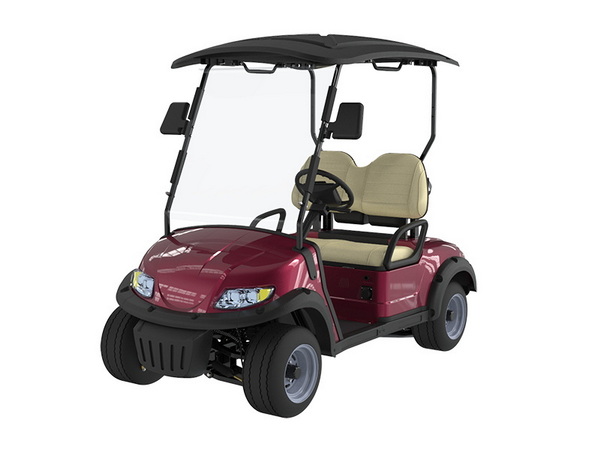
What This 2026 Golf Cart Licensing Guide Covers
This enhanced 2026 guide explains golf cart license requirements, age limits, and street legal rules across key US states, then adds practical safety tips and buying guidance for business and private users. It is written for owners, fleet managers, and international OEM partners who want a clear, up to date overview before operating or importing golf carts into the US.
Key Golf Cart Terms and Definitions
Understanding how states classify vehicles is essential before you look at licensing rules.
- Golf cart: A small motorized vehicle, typically designed for the golf course, with a top speed around 15–20 mph and limited to local or private use.
- Low speed vehicle (LSV): A modified or purpose built vehicle that can exceed 20 mph but not more than 25 mph, often allowed on certain public roads when properly registered and insured.
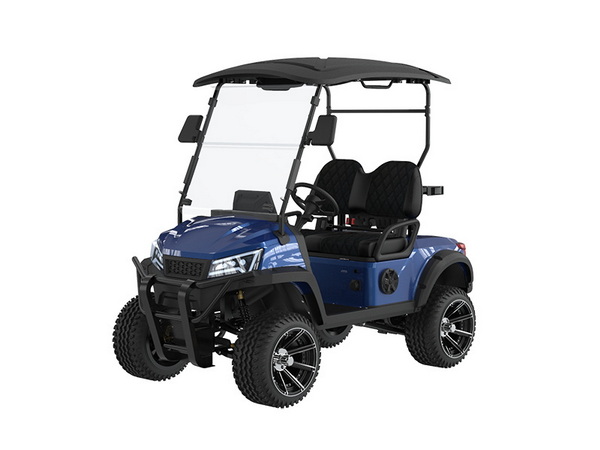
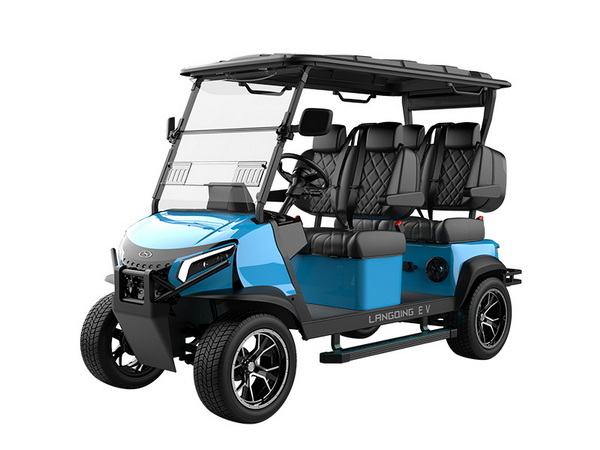
- Street legal golf cart: A golf cart or LSV equipped with required safety equipment such as lights, mirrors, and seat belts, and approved for use on designated public roads.
Do You Need a License to Drive a Golf Cart?
Whether you need a license depends on speed, vehicle classification, and where you drive.
- Standard golf carts driven on golf courses or private property often do not require a driver's license in many states.
- Once a cart is upgraded or modified to reach higher speeds and is categorized as an LSV, the operator usually must hold a valid driver's license and the vehicle must be titled, registered, and insured.
- Many states limit golf cart operation without a license to gated communities, certain planned neighborhoods, or special local zones.
State by State Overview: Florida, California, Texas
Florida Golf Cart License Requirements
Florida distinguishes clearly between standard golf carts and LSVs.
- No driver's license is required to operate a standard golf cart designed for speeds not exceeding 20 mph when used in permitted areas.
- A valid driver's license is required for LSVs that can exceed 20 mph but not more than 25 mph.
- LSVs must be registered, titled, and insured to operate on public roads.
- Operators must be at least 14 years old to drive golf carts on designated public roadways.
California Golf Cart License Requirements
California focuses strongly on safety and speed when deciding if a license is required.
- Standard golf carts with a maximum speed of about 15 mph can typically be driven without a driver's license on golf courses or private property.
- Once modified to exceed 20 mph, golf carts are treated as LSVs, and operators must hold a valid California driver's license.
- These LSVs must also be registered and insured under state motor vehicle rules.
Texas Golf Cart License Requirements
Texas law is comparatively more flexible for low speed use in specific areas.
- In designated communities such as master planned developments, certain private beaches, and other private roads, drivers often do not need a license to operate standard golf carts.
- Local rules may restrict operation times and limit how far a cart can travel from its usual parking spot, often within a two mile radius.
- If a golf cart is upgraded to an LSV capable of higher speeds, it must be titled, registered, and driven only by someone with a valid driver's license.
Typical Age Requirements for Golf Cart Drivers
Age rules vary, but they generally follow each state's driver licensing framework.
- In Florida and Texas, minors under 16 are often required to hold at least a learner's permit when operating in areas where state or local rules require it.
- In California, the standard driving age of 16 typically applies to operators of LSVs and other road going carts.
- Many communities set additional age rules through local ordinances or HOA policies, especially for shared internal roads.
What Makes a Golf Cart Street Legal?
To be street legal, a cart usually must meet specific safety and registration standards similar to other motor vehicles.
Common requirements include:
- Headlights and tail lights for visibility in low light conditions.
- Brake lights and turn signals for safe interaction with other vehicles.
- Rear view and side mirrors to improve situational awareness.
- Seat belts for each seating position.
- A unique vehicle identification number (VIN), plus state registration and insurance for public road operation.
Some states also require periodic inspections to confirm that equipment and modifications meet legal safety standards.
Titles, Registration, and Insurance
Titling rules vary by state, but they become strict when a golf cart is used on public roads.
- Titles and registration are usually required when a golf cart is reclassified as an LSV or otherwise authorized for road use.
- Owners must usually show proof of ownership and demonstrate that the vehicle meets the required safety criteria during registration.
- Where insurance is required, minimum coverage is often similar to that required for other light vehicles operating on public streets.
Core Safety Standards and Maintenance Best Practices
Safety expectations cover both equipment and ongoing maintenance.
- Essential equipment includes headlights, brake lights, turn signals, and seat belts, even when not strictly mandated in every jurisdiction.
- Routine maintenance and inspections are critical for brakes, tires, steering, and battery systems to keep carts reliable and safe.
- Detailed maintenance checklists help owners track inspection intervals and ensure no critical safety item is overlooked.
Practical Checklist Before You Drive a Golf Cart on the Road
Use this simple sequence before operating a golf cart in public areas.
1. Confirm classification: Identify whether your cart is a standard golf cart or an LSV based on top speed and equipment.
2. Check local rules: Review city, county, or HOA regulations covering where and when golf carts may operate.
3. Verify licensing: Ensure the driver meets the required age, license, or learner's permit rules for your state.
4. Review equipment: Confirm that all required lights, mirrors, and seat belts are present and functioning.
5. Check documents: Keep registration, proof of ownership, and insurance documents readily accessible if required.
6. Inspect the cart: Quickly verify brakes, steering, tires, and battery charge before every trip.
State Highlights for Golf Cart Licensing
State | License Needed for Standard Golf Cart | When License Becomes Mandatory | Typical Age Guidance | Notes on LSV Use |
Florida | Usually not, if speed ≤ 20 mph in permitted areas | When classified as an LSV at 20–25 mph on public roads | Minimum 14 years on designated public roadways | LSVs must be registered, titled, and insured |
California | Not on golf courses or private property at about 15 mph | When modified to exceed 20 mph and treated as an LSV | Typically 16 years for road going LSVs | LSVs require registration and insurance |
Texas | Not in many designated communities and private areas | When upgraded to higher speed LSV status | Often aligned with standard driving age or local rules | Distance and time of day limits may apply |
How Professional Manufacturers Support Compliance
Professional golf cart manufacturers and OEM suppliers play an important role in helping customers stay compliant.
- They design carts with safety and regulatory standards in mind so that vehicles can be certified or upgraded to meet LSV requirements where needed.
- They provide clear documentation, checklists, and technical support that help dealers, fleet operators, and end users understand local legal obligations and maintenance requirements.
Why Golf Cart Regulations Matter in 2026
Regulations around golf cart operation affect both safety and liability in 2026.
- States treat higher speed and road going carts much more like traditional motor vehicles, with strict rules on licensing, equipment, and insurance.
- Owners who understand the difference between a standard golf cart and an LSV can make better purchasing decisions and avoid avoidable fines or safety risks.
Ready to Choose Compliant Golf Carts and OEM Partners?
If you are planning to deploy or import golf carts in 2026, make sure every vehicle in your fleet is correctly classified, equipped, and documented before it enters public roads. Work with a professional golf cart manufacturer and OEM partner who understands US regulations, supports custom configurations for LSV and community use, and provides clear documentation to keep your business, customers, and drivers safe. Take the next step now by reviewing your current fleet standards, confirming local legal requirements, and partnering with a specialized golf cart producer who can help you meet both safety and compliance goals in 2026.
Contact us today to get more information!
FAQs on Golf Cart Licensing and Street Legality in 2026
1. Do I need a driver's license to drive a golf cart on a golf course?
Generally, you do not need a standard driver's license to operate a low speed golf cart on a golf course, although local course rules and liability policies can impose additional requirements.
2. When does a golf cart become a low speed vehicle (LSV)?
A golf cart usually becomes an LSV when it is built or modified to exceed 20 mph but not more than 25 mph and is equipped for legal road use in a given state.
3. Are seat belts mandatory on all golf carts?
Seat belts are commonly required for street legal carts and LSVs, while purely off road or on course carts may follow different rules depending on local regulations and operator policies.
4. Do golf carts always need a title and registration?
Titles and registration are often required when a golf cart is used on public roads or classified as an LSV, but requirements can be less strict for carts used strictly on private property.
5. Can minors legally drive golf carts on neighborhood streets?
Minors may be allowed to drive in some communities under specific age, permit, and supervision rules, but states such as Florida, Texas, and California typically align minimum ages with broader driving laws.


