Content Menu
● Why Choose Electric Cargo Vehicles?
● Overview of the UK Electric Cargo Vehicle Industry
>> Types of Electric Cargo Vehicles
>> Key Market Segments
● Leading Electric Cargo Vehicle Manufacturers and Suppliers in the UK
>> 1. Arrival
>> 2. LEVC (London Electric Vehicle Company)
>> 3. LDV Electric
>> 4. StreetScooter
>> 5. Renault Trucks UK
>> 6. Morgan Olson UK
● Choosing the Right Electric Cargo Vehicle Partner
>> Vehicle Range and Performance
>> Payload Capacity
>> Charging Infrastructure and Support
>> Customization and OEM Services
>> After-sales Support and Fleet Management
>> Sustainability and Ethical Practices
● Advantages of Partnering with UK-Based Manufacturers and Suppliers
● Trends and Innovations in the UK Electric Cargo Vehicle Market
>> Electrification of the Last Mile
>> Battery Swapping and Fast Charging Technologies
>> Digital Technology Integration
>> Expansion into Niche Applications
>> Collaborative OEM Development
● Conclusion
● FAQ – Electric Cargo Vehicle Manufacturers and Suppliers
>> 1. What is the typical range of electric cargo vehicles supplied by UK manufacturers?
>> 2. Can UK electric cargo vehicle suppliers provide bespoke designs or OEM services?
>> 3. What are the primary maintenance differences between electric and traditional cargo vehicles?
>> 4. How do suppliers support the charging infrastructure for electric cargo vehicles?
>> 5. Are electric cargo vehicles financially viable for small and medium-sized enterprises?
The rapid evolution of urban mobility and logistics has fueled the demand for environmentally friendly transportation solutions in the UK. Among them, electric cargo vehicles have emerged as sustainable alternatives, optimally designed to reduce emissions, lower operating costs, and meet the growing needs of modern commerce. This article offers a comprehensive overview of the leading electric cargo vehicle manufacturers and suppliers in the UK, evaluates their market impact, and guides businesses looking to enhance their fleets. Throughout this analysis, we will explore a range of vehicle types, innovative features, and key considerations for choosing the right partner, enriched with descriptive content to provide deeper insights.
Why Choose Electric Cargo Vehicles?
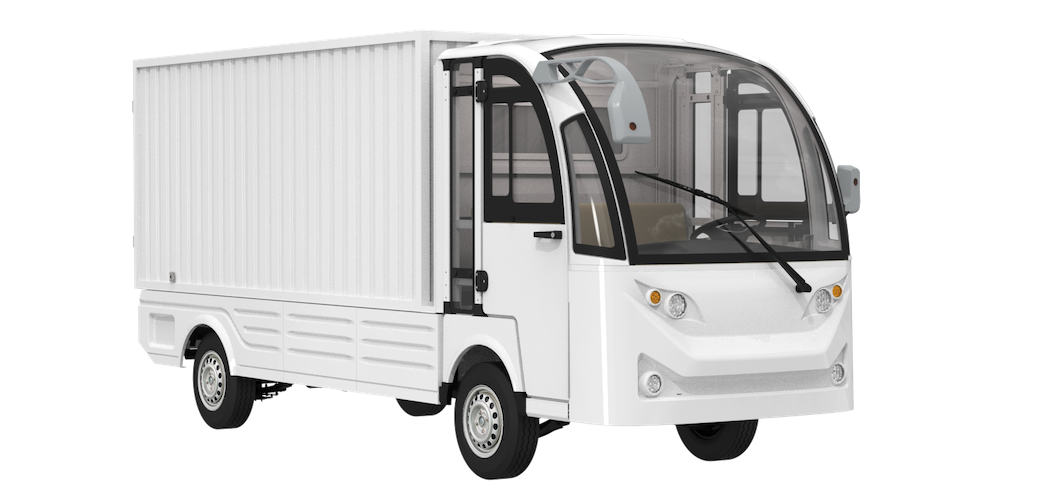
Electric cargo vehicles are reshaping industries such as retail, food delivery, logistics, and municipal services. These vehicles bring a suite of benefits that propel businesses towards sustainability and efficiency:
- Reduced Emissions: Zero tailpipe emissions help companies meet strict urban air quality regulations and reduce their environmental footprint.
- Lower Operating Costs: Electricity is cheaper than diesel or petrol, and electric vehicles have fewer moving parts, which translates into lower maintenance costs and longer service intervals.
- Quiet Operation: Electric drivetrains enable near-silent operation, making them ideal for deliveries at sensitive hours without disturbing neighborhoods.
- Innovation in Technology: Constant advancements in battery technologies are enabling greater ranges and payload capacities, while emerging features such as smart telematics improve operational efficiency.
- Enhanced Brand Image: Operating with a sustainable fleet reflects a forward-thinking company ethos, appealing strongly to eco-conscious customers and partners.
The move to electric cargo vehicles is not just environmentally responsible—it is also economically strategic, especially as governments worldwide implement tighter emissions regulations and offer incentives for green transportation.
Overview of the UK Electric Cargo Vehicle Industry
The UK is home to an advanced electric mobility sector with a wide array of manufacturers and suppliers catering to diverse industry requirements. These companies deliver an extensive lineup of electric cargo vehicles, ranging from compact vans suited for congested city streets to robust utility vehicles designed for larger cargo capacities.
Types of Electric Cargo Vehicles
- Electric Cargo Vans: These offer flexible, enclosed cargo space and are tailored for last-mile delivery services, retail replenishment, and parcel distribution.
- Electric Pickup Trucks: Designed to handle heavier and bulkier loads, these vehicles suit businesses requiring both passenger and cargo capabilities.
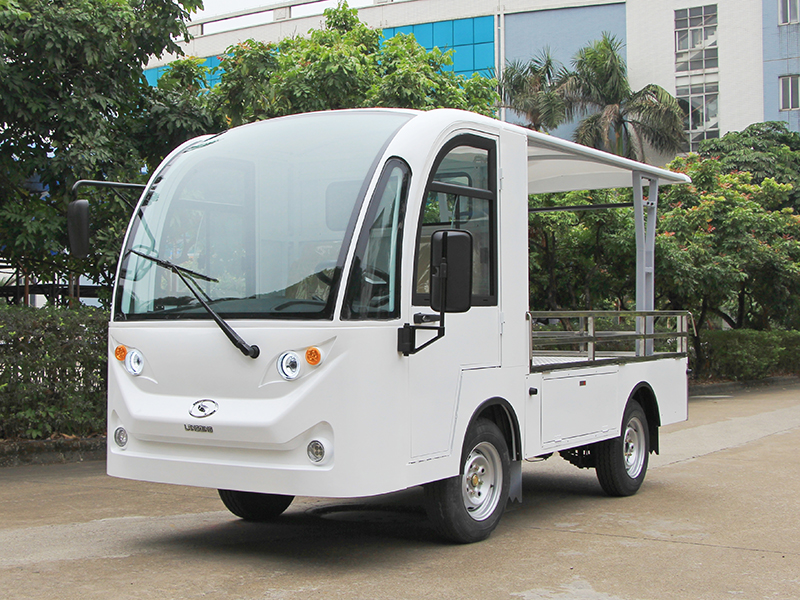
- Electric Utility Carts: Often used within campuses, warehouses, airports, and industrial sites, these compact vehicles provide efficient material movement in confined spaces.
- Electric Three-Wheelers: Agile and efficient, they navigate narrow and crowded urban environments with ease, making them ideal for quick delivery jobs.
Key Market Segments
The UK's electric cargo vehicles play pivotal roles across various market segments:
- Urban Delivery & Logistics: As e-commerce continues to expand, timely and sustainable last-mile delivery solutions are increasingly important.
- Retail & E-commerce: Retailers require reliable electric cargo vans capable of frequent stops and flexible routes.
- Facility Management: Maintenance and service companies utilize electric utility vehicles for ease of access within large properties.
- Municipal Services: Cities leverage electric vehicles for waste collection, street maintenance, and other public service functions.
The versatility of electric cargo vehicles allows them to integrate efficiently across these sectors, helping organizations meet sustainability targets while maintaining operational effectiveness.
Leading Electric Cargo Vehicle Manufacturers and Suppliers in the UK
Several UK-based companies have made significant strides in producing and supplying electric cargo vehicles, bringing innovative engineering and responsive customer service to the forefront.
1. Arrival
Arrival is distinguished by its radical approach to vehicle design. Prioritizing modular construction and scalable production, the company manufactures electric cargo vans and buses equipped with advanced digital capabilities. Arrival leverages microfactories for localized production, allowing for rapid adaptation to specific fleet needs and diverse market demands. Their ability to customize the vehicle architecture aligns perfectly with the flexibility sought by many businesses.
Highlighted Models:
- Arrival Van
- Arrival Bus
2. LEVC (London Electric Vehicle Company)
LEVC's portfolio includes the iconic TX electric taxi and the VN5 electric van. These vehicles combine British design heritage with state-of-the-art electric technology. The VN5 is specifically crafted for the demands of urban delivery and municipal service fleets, featuring a unique extended-range battery system that alleviates range anxiety by integrating a petrol generator as a backup.
Highlighted Model:
- LEVC VN5
3. LDV Electric
LDV focuses on providing reliable, cost-effective electric light commercial vehicles tailored to the UK business landscape. Their electric vans deliver practical payload capacities alongside flexible interior configurations, catering to sectors like delivery, technical service industries, and urban logistics.
Highlighted Model:
- LDV EV80

4. StreetScooter
StreetScooter specializes in compact electric delivery vans optimized for frequent, short-range routes familiar in urban logistics. Their vehicles emphasize robustness, ease of customization, and practicality, supporting high-utilization delivery schedules to maximize fleet efficiency.
Highlighted Models:
- StreetScooter Work
- StreetScooter Work L
5. Renault Trucks UK
Renault Trucks UK offers electrified trucks and vans suitable for both urban logistics and heavier distribution tasks. Their electric vehicle range caters to diverse requirements and industries, featuring customizable cargo areas and advanced drivetrains for efficiency and reliability.
Highlighted Models:
- Renault Trucks Master Z.E.
- Renault Trucks D Z.E.
6. Morgan Olson UK
Morgan Olson is noted for their electric walk-in vans and cargo bodies, providing spacious interiors with the versatility to support a variety of delivery and service needs. Their electric vehicles are renowned for structural robustness and options for bespoke configurations, making them a preferred choice for fleets demanding customized designs.
Highlighted Model:
- Route Star Walk-In Van EV
Choosing the Right Electric Cargo Vehicle Partner
When selecting manufacturers and suppliers, businesses must consider multiple critical factors to ensure alignment with their operational demands and sustainability goals.
Vehicle Range and Performance
It is essential to verify that the electric cargo vehicles have a battery range sufficient for daily routes without excessive downtime. Many UK manufacturers now offer models capable of approximately 120 to 300 kilometers on a single charge, with ongoing advancements promising further improvements.
Payload Capacity
Matching a vehicle's load-bearing ability to your business's shipping volume is key. Different industries require different cargo volumes, so reviewing detailed specifications for weight and space is necessary.
Charging Infrastructure and Support
Assess the availability and compatibility of charging solutions. Leading suppliers often partner with network operators to facilitate rapid and accessible charging, including on-site fast chargers and public charging station integration.
Customization and OEM Services
For brands and distributors, having access to customized vehicle designs or private label manufacturing adds substantial business value. Many UK manufacturers offer comprehensive OEM capabilities, accommodating brand-specific requirements ranging from aesthetics to technical features.
After-sales Support and Fleet Management
Reliable after-sales service decreases vehicle downtime and keeps fleets running efficiently. Suppliers with robust support packages and telematics-based fleet management tools can enhance operational effectiveness and lifespan.
Sustainability and Ethical Practices
Evaluate the manufacturer's commitment to sustainable production, including use of ethically sourced materials and eco-friendly manufacturing processes, aligning with global environmental responsibility goals.
Advantages of Partnering with UK-Based Manufacturers and Suppliers
Working with local UK suppliers provides numerous benefits:
- Proximity for Faster Delivery: Reduces lead times and shipping costs.
- Regulatory Compliance Expertise: Mitigates risks by ensuring vehicles meet UK and EU emissions and safety standards.
- Innovation Leadership: UK manufacturers actively contribute to advancements in battery technology, digital integration, and safety systems.
- Customization Flexibility: Local engagements allow more fluid cooperation on tailored vehicle solutions.
- Aftermarket Support: Quicker access to parts and services ensures optimal fleet uptime.
Trends and Innovations in the UK Electric Cargo Vehicle Market
Electrification of the Last Mile
The boom in e-commerce has accelerated last-mile electrification, with electric vans and bikes becoming commonplace for urban delivery, reducing congestion and emissions.
Battery Swapping and Fast Charging Technologies
Some manufacturers are pioneering battery swapping stations to further reduce downtime, while ultra-fast charging infrastructure development enables quicker turnarounds for delivery fleets.
Digital Technology Integration
Smart telematics, GPS tracking, and real-time diagnostics are increasingly standard, supporting route optimization, maintenance prediction, and enhanced driver safety.
Expansion into Niche Applications
Suppliers are targeting specific sectors such as refrigerated transports, mobile workshops, and specialty service vehicles with highly customized electric cargo solutions.
Collaborative OEM Development
Collaborative design and engineering efforts allow clients to co-develop vehicles that precisely fit their operational needs, enhancing competitive differentiation.
Conclusion
The electric cargo vehicle sector in the UK stands at an exciting crossroads of technology, sustainability, and commercial practicality. From compact city-focused vans to heavyweight utility trucks and customizable electric walk-in vans, UK-based manufacturers and suppliers excel in delivering tailored, efficient solutions. This dynamic marketplace supports a better future for urban logistics, enhanced environmental standards, and economic benefits for businesses ready to embrace the electric transport revolution. Choosing the right partner from these leading manufacturers guarantees access to innovation, quality, and support that can transform fleet operations while advancing sustainability goals.
FAQ – Electric Cargo Vehicle Manufacturers and Suppliers
1. What is the typical range of electric cargo vehicles supplied by UK manufacturers?
The range for electric cargo vehicles generally falls between 120 km and 300 km per charge, depending on vehicle size and battery technology. Ongoing battery advancements continually push these limits further, offering longer routes with fewer charges.
2. Can UK electric cargo vehicle suppliers provide bespoke designs or OEM services?
Yes, many UK suppliers specialize in OEM and customization services. They offer tailored chassis, cargo compartments, branding options, and technological integrations, enabling businesses to optimize vehicles for specific use cases or market requirements.
3. What are the primary maintenance differences between electric and traditional cargo vehicles?
Electric cargo vehicles require less frequent routine maintenance because they have fewer moving parts and no combustion engine. They benefit from regenerative braking, which reduces brake wear, and do not require oil changes or exhaust system upkeep.
4. How do suppliers support the charging infrastructure for electric cargo vehicles?
UK manufacturers frequently collaborate with charging network providers to offer integrated solutions, including the installation of fast chargers on client sites, financing options, and access to public charging networks, all designed to maximize vehicle availability.
5. Are electric cargo vehicles financially viable for small and medium-sized enterprises?
Electric cargo vehicles can be cost-effective investments due to lower fuel and maintenance costs. Government incentives, congestion charge exemptions, and lower total cost of ownership metrics make them attractive, especially for SMEs operating in urban environments.


