Content Menu
● Why cold weather is so hard on golf cart batteries
>> How low temperatures affect battery chemistry
>> Freezing, case cracking, and sulfation risks
● Winter golf cart battery storage basics (AGM, lithium, flooded)
>> Step-by-step winter storage checklist
>> Recommended storage temperatures by battery type
● How to prevent golf cart batteries from freezing in winter
>> Maintain adequate charge levels all winter
>> Physical protection against extreme cold
● Winter golf cart charging strategy (AGM vs lithium vs flooded)
>> AGM winter charging tips
>> Lithium winter charging tips
>> Flooded lead-acid winter charging tips
● Winter battery inspection and maintenance schedule
>> Monthly or bi-monthly battery checks
>> Pre-season re-activation before spring use
● Year-round golf cart battery maintenance essentials
>> Daily and weekly operating habits
>> Water management for flooded lead-acid
>> Storage location, cleanliness, and safety
● OEM-level best practices for dealers, fleets, and distributors
● When to replace golf cart batteries after winter
● Call to action – partner with an OEM for winter-ready golf carts
● FAQs: winter golf cart battery maintenance
>> Q1: Will golf cart batteries freeze in winter?
>> Q2: How often should I charge my golf cart batteries during winter storage?
>> Q3: Is it safe to leave my golf cart charger connected all winter?
>> Q4: Should I remove golf cart batteries from the cart for winter storage?
>> Q5: How do I know if winter damaged my golf cart batteries?
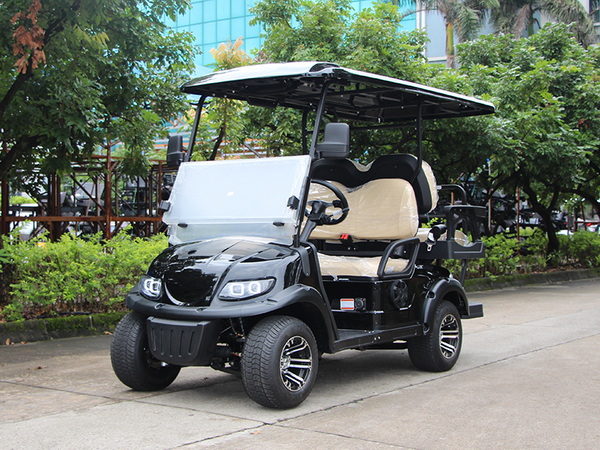
Winter's low temperatures can cut your golf cart's range, slow acceleration, and even crack battery cases if you don't follow proper golf cart battery maintenance in winter. Batteries are chemical systems, and cold weather slows those reactions, increases internal resistance, and raises the risk of sulfation and freezing damage. Whether you manage a fleet, run a dealership, or own a single cart, a structured winter maintenance plan will keep your batteries ready for the 2026 spring season and reduce costly replacements.
Why cold weather is so hard on golf cart batteries
How low temperatures affect battery chemistry
When temperatures drop, the electrochemical reactions inside the battery slow down, which reduces the ability of the battery to produce and deliver current. This is why carts often feel sluggish in winter, with weaker acceleration and shorter driving range compared with warm seasons.
- Reduced chemical reaction rate means less available power at the same state of charge.
- Higher internal resistance makes charging less efficient and can cause heat buildup or overcharging if the charger is not temperature compensated.
- Electrolyte thickening in lead-acid batteries makes ion movement harder, further reducing performance.
Freezing, case cracking, and sulfation risks
If a lead-acid battery, whether flooded or AGM, is left undercharged in sub-freezing temperatures, the electrolyte's freezing point rises and the liquid can expand, cracking the case and causing leaks. Visible signs include bulging sides, cracks, or vent cap damage, often indicating irreversible internal damage.
Another winter-specific risk is sulfation, where lead sulfate crystals form on the plates if the battery sits discharged or undercharged for long periods. Over time, these crystals harden, reducing capacity and shortening the overall service life of the battery bank.
Winter golf cart battery storage basics (AGM, lithium, flooded)
Proper winter storage is the single most effective way to extend golf cart battery life and prevent freezing damage. The ideal approach differs slightly between AGM, lithium, and flooded lead-acid, but the core principles are the same.
Step-by-step winter storage checklist
Follow these steps before putting your electric golf cart into winter storage:
1. Inspect the battery pack
- Look for cracks, bulging, leaks, or damaged cables.
- Replace damaged components before storage to avoid worsening issues.
2. Charge properly before storage
- AGM batteries: Charge to 100 percent to reduce sulfation risk.
- Lithium batteries: Charge to 50–80 percent state of charge for best long-term stability.
3. Disconnect and isolate the battery
- Turn off the main switch if equipped and disconnect the negative terminal to prevent parasitic loads.
- This stops slow, continuous discharge from accessories, controllers, or GPS trackers.
4. Clean and protect terminals
- Remove corrosion from posts and lugs with a suitable brush.
- Apply a thin coat of petroleum jelly to reduce future oxidation and improve long-term contact quality.
5. Store the cart and batteries in a suitable environment
- Select a cool, dry, well-ventilated area away from direct sunlight and moisture.
- Avoid locations with high humidity or standing water on the floor.
Recommended storage temperatures by battery type
Keeping batteries within the recommended temperature range is critical for winter storage safety and longevity.
Battery type | Ideal winter storage temperature | Minimum safe temperature guideline | Notes |
AGM golf cart batteries | 40–80°F (4–27°C) | Do not allow below about 40°F (4°C) | More sensitive to very low temperatures and sulfation if undercharged. |
Lithium golf cart batteries | 32–77°F (0–25°C) | Keep at or above freezing (0°C) | Better low-temperature performance but sensitive to cold charging. |
Flooded lead-acid | 40–80°F (4–27°C) | Avoid below freezing when undercharged | Electrolyte can freeze if the battery is not kept fully charged. |
How to prevent golf cart batteries from freezing in winter
Freezing is a real risk in unheated garages, outdoor sheds, and carts stored outside, but it is entirely preventable with the right practices.
Maintain adequate charge levels all winter
A fully charged lead-acid battery has a much lower freezing point than a discharged battery, making proper charging your first line of defense against winter damage. Using a smart charger that matches your battery type keeps voltage within safe limits and helps prevent both overcharging and deep discharges.
Best practices:
- Top off AGM batteries to 100 percent before storage and keep them above 50 percent state of charge during long layups.
- Keep lithium batteries between 50–80 percent rather than fully charged for long storage to minimize stress on the cells.
- Avoid allowing any battery pack to sit at or near empty for more than a few days in cold weather.
Physical protection against extreme cold
If you must store your golf cart outdoors or in an unheated structure, adding physical protection greatly reduces freezing risk.
- Use an insulated battery box or insulated wrap around the battery compartment to moderate temperature swings.
- Consider a battery blanket or low-wattage warmer designed for your battery chemistry during prolonged cold snaps.
- Keep the storage area dry to minimize corrosion and prevent moisture paths between terminals.
- Regularly monitor the ambient and battery temperature when extreme cold is forecast.
For AGM batteries, avoid letting temperatures drop below roughly 40°F, and keep lithium batteries above freezing to protect capacity and charging performance.
Winter golf cart charging strategy (AGM vs lithium vs flooded)
Correct charging behavior changes slightly in winter and depends on the battery technology in your cart.
AGM winter charging tips
AGM batteries perform well when kept near full charge, but cold weather increases internal resistance and can make overcharging more likely if the charger is not well matched. Use a quality AGM-compatible smart charger with temperature compensation and allow it to complete its full charge cycle.
- Avoid continuous float at high voltage; use a maintenance mode designed for AGM batteries.
- Never charge severely cold batteries; let them warm to above about 40°F first.
- Check pack voltage periodically and keep a 48 V system above roughly 50.4 V during storage.
Lithium winter charging tips
Lithium golf cart batteries handle partial state of charge well, but they are more sensitive to charging at very low temperatures. Many lithium battery management systems limit or block charging below specific thresholds to prevent damage.
- Charge lithium packs when temperatures are within roughly 32–77°F whenever possible.
- Avoid fast charging in cold conditions; use moderate charge rates recommended by the manufacturer.
- Store between 50–80 percent state of charge for long periods, then top up before returning to regular use.
Flooded lead-acid winter charging tips
Flooded lead-acid batteries require extra attention to water levels and venting during winter charging. They also rely heavily on being stored at full charge to avoid freezing and plate damage.
- Charge to 100 percent before storage and avoid leaving the pack partially discharged.
- After charging, check electrolyte level and top only with distilled water to the indicated fill line.
- Ensure the area is well ventilated because charging produces hydrogen gas.
Winter battery inspection and maintenance schedule
Even when your golf cart is parked for the season, you should still follow a simple winter maintenance schedule to keep the battery pack healthy.
Monthly or bi-monthly battery checks
Every 1–2 months during winter:
- Check voltage or state of charge
- AGM batteries: Keep pack voltage above the recommended storage threshold for your system.
- Lithium batteries: Maintain 50–80 percent state of charge and recharge briefly if it drops significantly.
- Look for physical damage
- Inspect for bulging sides, cracks, leaks, or frost buildup around the case.
- Any sign of freezing damage should be treated as serious and evaluated before use.
- Retighten connections and clean corrosion
- Ensure terminal connections remain snug, clean, and free of white or green deposits.
Pre-season re-activation before spring use
When winter ends and you are ready to put the cart back into service:
1. Visually inspect the battery pack and cables once more.
2. Reconnect the negative terminal and any master switch or disconnect.
3. Perform a full charge using the correct charger for your battery type.
4. For flooded batteries, check and adjust water levels after the first full charge.
5. Take a short, low-load test drive to confirm range, acceleration, and correct operation.
Year-round golf cart battery maintenance essentials
Consistent year-round maintenance makes winter preparation easier and greatly extends battery life.
Daily and weekly operating habits
Good operating habits protect batteries in every season and reduce winter stress.
- Avoid deep discharges; frequent shallow discharges are healthier than running packs nearly empty.
- Do not leave chargers connected for days at a time unless they have a proven maintenance mode.
- Follow the manufacturer's charging instructions for AGM, lithium, or flooded batteries.
Water management for flooded lead-acid
Flooded lead-acid batteries consume water as part of normal operation, and neglecting water levels can cause plate exposure and overheating. Regular checks are especially important in hot weather, but should continue throughout the year.
- Use only distilled water, filling to the designated indicator and never above.
- Check more frequently if you operate in high ambient temperatures or under heavy load.
Storage location, cleanliness, and safety
Where and how you park your golf cart influences both battery health and safety.
- Choose a dry, sheltered location to reduce corrosion and prevent water pooling around the battery area.
- Keep the battery compartment clean and free of debris to prevent accidental short circuits.
- Ensure cables are supported and not pinched under seats or body panels.
OEM-level best practices for dealers, fleets, and distributors
As an OEM factory supplier, you can add extra value for overseas partners by providing structured winter maintenance guidance with each shipment.
Recommended practices for B2B customers:
- Include a printed winter battery maintenance checklist in every cart or battery shipment.
- Offer a downloadable PDF with winter storage procedures, temperature limits, and troubleshooting tips.
- Provide basic training content or short videos for technicians covering winter inspection, charging, and safety steps.
- Encourage partners to recommend compatible smart chargers and battery blankets as valuable add-on sales.
This approach not only protects end users' batteries, but also strengthens long-term relationships with your brand and improves overall satisfaction with your products.
When to replace golf cart batteries after winter
Even with good winter maintenance, some batteries reach the end of their useful life and must be replaced to maintain performance and safety.
Common signs you may need a new battery pack include:
- Noticeably reduced driving range compared with the previous season, despite proper charging.
- The cart struggles on small inclines or acceleration feels weak under normal loads.
- One or more batteries show bulging, cracks, or leaks following a cold period.
- You measure significant variation in voltage between individual batteries in the pack under load.
For fleets and dealers, proactively scheduling battery testing before peak 2026 season helps avoid breakdowns and customer complaints.
Call to action – partner with an OEM for winter-ready golf carts
If you are a distributor, brand owner, or fleet operator, working directly with an OEM golf cart manufacturer gives you more control over battery specification, wiring design, and long-term service support. By choosing carts designed for all-season operation with well-matched AGM or lithium packs, you reduce warranty issues and extend the service life of your fleet.
Contact our OEM team today to customize winter-ready electric golf carts and battery solutions for your local market, including private-label designs, regional charging standards, and tailored maintenance documentation that helps your dealers and end users protect their batteries through every winter.
Contact us today to get more information!
FAQs: winter golf cart battery maintenance
Q1: Will golf cart batteries freeze in winter?
Golf cart batteries, especially lead-acid types, can freeze in winter if they are stored partially discharged in sub-freezing temperatures because the electrolyte's freezing point rises as the battery discharges. Keeping them fully charged and stored within the recommended temperature range greatly reduces this risk.
Q2: How often should I charge my golf cart batteries during winter storage?
During winter storage, check battery voltage or state of charge every 1–2 months and recharge when it falls below the recommended storage range for your system. For example, keep a 48 V AGM pack above roughly 50.4 V and lithium batteries between 50–80 percent state of charge, using a compatible smart charger when possible.
Q3: Is it safe to leave my golf cart charger connected all winter?
Whether it is safe depends on your charger. Older chargers may overcharge if left connected for long periods, while modern smart chargers usually include maintenance modes that safely maintain charge. Always follow the instructions from both your battery manufacturer and your charger manufacturer before leaving a charger connected for extended periods.
Q4: Should I remove golf cart batteries from the cart for winter storage?
In many cases, you can leave the batteries installed if the storage area is dry and within the recommended temperature range and if you disconnect the negative terminal to eliminate parasitic loads. In extremely cold or damp conditions, moving batteries to a better controlled indoor location is safer and can further extend service life.
Q5: How do I know if winter damaged my golf cart batteries?
You can detect winter damage by looking for physical signs such as bulging cases, cracks, or leaks and by testing for reduced range, slow acceleration, or inconsistent voltage between batteries under load. Any severe deformation, leaking, or major performance loss is a strong indicator that battery inspection or replacement is needed before returning the cart to regular use.


