Content Menu
● What Counts as a Golf Cart or NEV in Texas?
● Are Golf Carts Street Legal in Texas in 2026?
● When You Can Drive a Golf Cart on Texas Roads
● Core Equipment Required for Street‑Legal Golf Carts
● Texas Golf Cart License Plate: When and How to Get It
>> Where to Apply
>> Basic Application Steps
● Licensing Rules: Who Can Legally Drive a Golf Cart in Texas?
● Insurance Requirements for Golf Cart Operators
● Special Circumstances: Mail, Packages, and Other Exceptions
● Slow‑Moving Vehicle Emblem and Inspection Rules
● Safety and Compliance Best Practices for Texas Golf Cart Owners
● Example Use Scenarios Under Texas Golf Cart Laws
● Texas Golf Cart Rules Overview Table
● Practical Checklist Before Driving a Golf Cart on Texas Roads
● Make Your Golf Cart Safe and Legal in Texas Today
● Frequently Asked Questions About Texas Golf Cart Laws in 2026
>> 1. Are golf carts street legal in Texas in 2026?
>> 2. Do I need a Texas golf cart license plate to drive on public roads?
>> 3. Do I need a driver's license to operate a golf cart in Texas?
>> 4. Is insurance required for golf carts in Texas?
>> 5. What equipment must my golf cart have to be legal in Texas?
Understanding Texas golf cart laws is essential if you plan to drive a golf cart or neighborhood electric vehicle (NEV) on public roads, in master‑planned communities, or on private properties open to the public. This guide explains when golf carts are street legal in Texas, what equipment is required, how to get a Texas golf cart license plate, and how to operate safely and legally under the Texas Transportation Code in 2026.
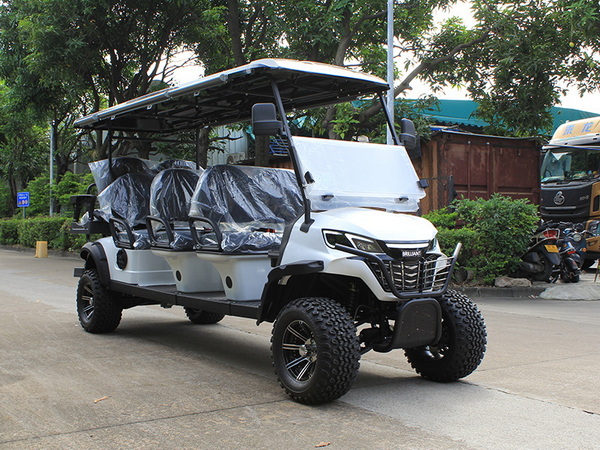
What Counts as a Golf Cart or NEV in Texas?
Texas law treats golf carts as a type of Neighborhood Electric Vehicle (NEV) when they are used on public roads at low speeds. NEVs include compact electric vehicles designed for short‑distance, low‑speed transportation in neighborhoods, campuses, and similar environments.
Today, golf carts are widely used for:
- Short trips inside residential communities and resorts
- Internal transport on campuses and industrial parks
- Leisure rides in coastal and tourist areas
Because golf carts often lack doors and seatbelts yet still carry significant weight, they can cause serious injury in collisions or rollovers. As a result, Texas applies specific safety and operational rules that every owner and operator should understand.
Are Golf Carts Street Legal in Texas in 2026?
Yes, golf carts can be street legal in Texas in 2026 on certain roads and under specific conditions.
In general, a golf cart may legally operate:
- On public roads with a posted speed limit of 35 mph or less, when equipped with all required safety equipment and a golf cart license plate
- Inside master‑planned communities that authorize golf carts on designated roads and paths
- On certain beaches and low‑speed coastal roads that are open to golf carts
- On selected highways posted at 35 mph or less where local authorities permit golf cart use
Even when a road is eligible, the driver must still follow all relevant traffic rules, and the vehicle must meet Texas equipment and registration standards. Local regulations can be stricter than the statewide minimums, so you should always confirm the rules in your specific area.
When You Can Drive a Golf Cart on Texas Roads
The Texas Transportation Code Chapter 551 explains where and how golf carts may be driven beyond the golf course. The state recognizes several typical scenarios for legal on‑road use.
Common legal use cases include:
- Master‑planned communities with designated golf cart routes, lower speed limits, and local ordinances allowing carts
- Residential neighborhoods near golf courses, schools, or community centers, where roads are low‑speed and local rules permit carts
- Beaches and coastal areas, where golf carts are allowed to move equipment, passengers, or recreational gear along the shoreline
- Certain highways at 35 mph or below, where state law and local authorities authorize low‑speed vehicles
Section 551.401 recognizes golf carts as a class of vehicles that may operate on public roads with defined restrictions. Section 551.403 allows local authorities to further regulate golf cart operations, so cities and counties can add their own rules on top of state requirements.
For daily users, this means you must confirm both statewide rules and local ordinances before relying on a golf cart for regular transportation.
Core Equipment Required for Street‑Legal Golf Carts
To be driven on Texas public roads, a golf cart must have specific safety equipment installed and in working condition. The minimum required equipment includes:
- Headlights
- Tail lights
- Brake lights
- Reflectors
- Parking brake
- Rearview mirror
These features help other road users see the vehicle and predict its movements, especially in low‑light conditions, at intersections, and in mixed traffic environments. Golf cart owners should regularly inspect and maintain these components to remain compliant and to reduce the risk of preventable crashes.
For best practice, consider scheduling periodic maintenance checks and keeping a simple inspection checklist in the cart to review before longer trips.
Texas Golf Cart License Plate: When and How to Get It
A Texas golf cart license plate is mandatory when you operate a golf cart on public roads where such use is allowed. The plate is a visible confirmation that the vehicle is registered for limited on‑road operation under state law.
Where to Apply
You must apply for a golf cart license plate through your county tax assessor‑collector's office, which handles titling and registration.
Basic Application Steps
While the exact requirements can vary slightly by county, the general process usually includes:
1. Preparing proof of ownership for the golf cart.
2. Completing the required application form for a golf cart license plate.
3. Paying the applicable registration fees at the county tax office.
4. Receiving your golf cart plate and properly mounting it on the vehicle.
Once issued, the plate authorizes operation on roads with speed limits of 35 mph or less, subject to all other safety and equipment requirements. You should keep copies of your registration documents and any proof of insurance with the cart or in a secure, easily accessible location.
Licensing Rules: Who Can Legally Drive a Golf Cart in Texas?
In most on‑road situations, a Texas golf cart driver must hold a valid driver's license. This requirement supports safe operation in mixed traffic and helps ensure that drivers understand basic road rules.
Key points to remember:
- A valid driver's license is generally required on public roads.
- Limited exceptions may apply in master‑planned communities or on private property where local rules allow non‑licensed operation.
- Parents, community managers, and property owners should still treat golf carts as motor vehicles and supervise inexperienced drivers carefully.
Because local authorities have regulatory power, the minimum legal age or licensing requirements for certain areas can differ from one community to another. Always check local regulations before allowing younger users to drive a cart.
Insurance Requirements for Golf Cart Operators
Liability insurance is typically necessary when a golf cart operates on Texas public roads. This coverage helps pay for injuries or property damage if the driver causes an accident.
General insurance guidelines for golf cart owners:
- Liability insurance is normally required for on‑road use.
- Insurance may be optional when the cart is used only on private property or within certain master‑planned communities, depending on local rules, HOA policies, and property management requirements.
- Even when not legally mandated, maintaining insurance is strongly recommended, as golf cart collisions can lead to substantial medical expenses and repair costs.
Before you start using a golf cart on public streets or shared private roads, speak with your insurance provider to confirm coverage limits, exclusions, and any special low‑speed vehicle endorsements that may be needed.
Special Circumstances: Mail, Packages, and Other Exceptions
Texas law recognizes special situations in which golf carts may operate on public highways under controlled conditions. These exceptions typically focus on limited‑distance, low‑speed utility use.
Examples of special circumstances include:
- Retrieving or delivering mail
- Delivering packages in defined local service areas
Provisions in the Texas Transportation Code outline how these tasks may be performed while still protecting road users. Operators engaged in these activities must comply with both state rules and any additional local regulations or route restrictions.
If you plan to use a golf cart for mail or package delivery, confirm in writing with local authorities or the relevant postal or delivery service that your planned route and usage are allowed.
Slow‑Moving Vehicle Emblem and Inspection Rules
Golf carts operated at 25 mph or less must display a slow‑moving vehicle emblem to alert other drivers to their reduced speed. This triangular sign is usually mounted at the rear of the vehicle and must be clearly visible.
Important points about the slow‑moving vehicle emblem:
- Carts with slow‑moving vehicle emblems are exempt from state vehicle inspection requirements.
- The emblem requirement highlights the vehicle's low speed, giving other road users more time to react and pass safely.
- The emblem must be clean, properly positioned, and not obscured by cargo or accessories.
Even without a formal inspection, owners remain responsible for keeping the vehicle in safe working condition, including brakes, steering, lights, and tires.
Safety and Compliance Best Practices for Texas Golf Cart Owners
Beyond minimum legal requirements, responsible golf cart owners adopt additional safety practices to protect passengers and pedestrians.
Recommended safety habits include:
- Performing regular pre‑ride checks of lights, brakes, tires, and steering components.
- Avoiding overloading the cart with excess passengers or heavy cargo.
- Reducing speed on slopes, wet surfaces, and uneven ground.
- Using extra caution around driveways, crosswalks, school zones, and busy intersections.
- Prohibiting standing passengers while the cart is moving.
Following both the Texas Transportation Code and practical safety guidelines helps reduce accidents and supports the long‑term acceptance of golf carts as convenient low‑speed vehicles.
Example Use Scenarios Under Texas Golf Cart Laws
The US golf cart manufacturing industry has experienced notable growth in recent years, reflecting the rising popularity of both golf and low‑speed personal transportation. In 2026, Texans encounter golf carts daily in many different contexts.
Typical real‑world scenarios include:
- Residents driving from home to a neighborhood pool, clubhouse, or community park in a master‑planned development
- Beach‑area homeowners using carts to transport chairs, coolers, and gear along Texas beaches where carts are permitted
- Property managers and staff moving between buildings on large campuses, resorts, or industrial sites
In each of these situations, legal requirements differ depending on road type, posted speed limits, local ordinances, and whether the area is fully private or open to public traffic. Always review the specific rules that apply to your intended route and type of property.
Texas Golf Cart Rules Overview Table
Topic | Key requirement or rule |
Road types allowed | Public roads with 35 mph or less speed limit, certain highways, beaches, and master-planned communities |
Core safety equipment | Headlights, tail lights, brake lights, reflectors, parking brake, rearview mirror |
License plate requirement | Texas golf cart license plate required for permitted on-road use |
Driver licensing | Valid driver's license generally required on public roads |
Insurance | Liability insurance typically required for public road operation |
Slow-moving vehicle emblem | Required at 25 mph or less; vehicles with emblem are exempt from inspection |
Special exceptions (mail, packages) | Limited operations allowed for mail and package delivery under defined conditions |
Local regulation | Cities and counties can impose additional or stricter local rules |
Practical Checklist Before Driving a Golf Cart on Texas Roads
Use this checklist to confirm that your golf cart is ready for legal, on‑road use in Texas in 2026:
1. Confirm the road speed limit is 35 mph or less where you plan to drive.
2. Verify that you have all required equipment: headlights, tail lights, brake lights, reflectors, parking brake, and rearview mirror.
3. Ensure the cart displays a slow‑moving vehicle emblem if operated at 25 mph or less.
4. Obtain and mount a Texas golf cart license plate from your county tax assessor‑collector if you will use public roads.
5. Make sure the driver holds a valid driver's license, unless a specific exemption applies within a private or master‑planned community.
6. Maintain appropriate liability insurance if operating on public roads.
7. Review any local ordinances for your city, county, or community association that may add extra restrictions.
Completing these steps before each regular use helps you stay compliant and protects all road users.
Make Your Golf Cart Safe and Legal in Texas Today
If you plan to use a golf cart on Texas roads in 2026, now is the time to bring your vehicle into full compliance. Review your cart's equipment, apply for a Texas golf cart license plate with your county tax assessor‑collector, confirm your insurance coverage, and train every driver on local rules and safe‑driving best practices. By acting today, you protect your passengers, reduce legal risks, and ensure that your golf cart remains a convenient, enjoyable, and fully legal way to move around your community.
Contact us today to get more information!
Frequently Asked Questions About Texas Golf Cart Laws in 2026
1. Are golf carts street legal in Texas in 2026?
Yes, golf carts are street legal on Texas roads with a speed limit of 35 mph or less, provided they are equipped with safety features such as headlights, tail lights, brake lights, reflectors, a rearview mirror, and a parking brake, and they display a valid Texas golf cart license plate.
2. Do I need a Texas golf cart license plate to drive on public roads?
Yes, a golf cart must have a Texas golf cart license plate to be driven on public roads where golf carts are permitted. You can obtain one through your county tax assessor‑collector's office by submitting proof of ownership, a completed application form, and the required fee.
3. Do I need a driver's license to operate a golf cart in Texas?
In most cases, a valid driver's license is required to operate a golf cart on Texas public roads. Some exceptions may apply when driving within master‑planned communities or on private property, depending on local rules and property policies.
4. Is insurance required for golf carts in Texas?
Liability insurance is typically required when operating a golf cart on public roads in Texas. Insurance may not be strictly necessary if the cart is used only in private communities or on private land, but coverage is still strongly recommended to protect against accidents and property damage.
5. What equipment must my golf cart have to be legal in Texas?
To be legal on Texas roads, a golf cart must have functional headlights, tail lights, brake lights, reflectors, a parking brake, and a rearview mirror. If the cart is operated at 25 mph or less, it must also display a slow‑moving vehicle emblem at the rear.


