Content Menu
● What Is a Street Legal Golf Cart?
● Why “Street Legal” Status Matters
● Core Street Legal Golf Cart Requirements
>> Essential Safety and Visibility Equipment
● Speed Limits and Performance Rules
● Legal Compliance: Federal, State, and Local Rules
● Practical Benefits of Street Legal Golf Carts
>> Everyday Convenience and Short Trips
>> Environmental and Cost Advantages
>> Enjoyable, Open‑Air Mobility
● Step‑by‑Step: How to Make a Golf Cart Street Legal
>> 1. Confirm Local Regulations
>> 2. Install Required Safety Equipment
>> 3. Ensure VIN Assignment
>> 4. Arrange Insurance and Registration
>> 5. Install License Plate and Complete Inspection
● Sample Equipment Checklist for Street Legal Golf Carts
● Ideal Use Cases for Street Legal Golf Carts
● How Businesses Can Leverage Street Legal Golf Carts
● Partner With a Professional OEM Manufacturer in 2026
● Take the Next Step With Your Street Legal Golf Cart Project
● FAQ About Street Legal Golf Carts
>> 1. What is needed to make a golf cart street legal?
>> 2. How fast can a street legal golf cart go?
>> 3. Do I need a driver's license to drive a street legal golf cart?
>> 4. Can I drive a street legal golf cart on any road?
>> 5. What is the difference between a regular golf cart and a street legal LSV?
Street legal golf carts are becoming a popular low‑speed vehicle (LSV) option for short urban trips, resort transport, gated communities, campuses, and tourism operations, thanks to their convenience, efficiency, and lower operating cost compared with traditional cars. This guide explains exactly what makes a golf cart street legal, how to convert one safely and legally in 2026, and how businesses and homeowners can get the most value from this growing mobility trend.
What Is a Street Legal Golf Cart?
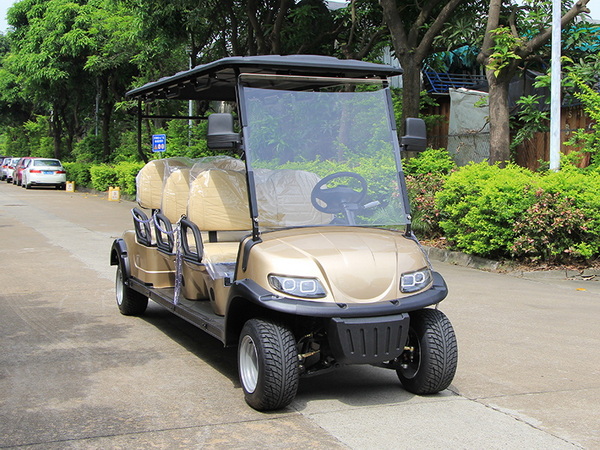
A street legal golf cart is a modified golf cart or factory‑built low‑speed vehicle that meets specific safety, equipment, and registration requirements so it can be driven on designated public roads. In most regions, these vehicles are limited to streets with lower posted speed limits and must follow the same traffic rules as conventional cars.
Typical definitions include:
- Classified as a low‑speed vehicle (LSV) with a maximum speed of about 20–25 mph.
- Allowed only on roads with lower posted limits, often 25–35 mph, depending on local law.
- Required to have safety and visibility equipment comparable to a small passenger vehicle.
These regulations exist to balance the compact, open design of golf carts with the need for safe interaction in mixed traffic environments.
Why “Street Legal” Status Matters
Obtaining street legal status is not just a formality; it directly affects safety, liability, and usability of your cart.
Key reasons it matters:
- Legal compliance: Operating a non‑compliant cart on public roads can lead to fines, impoundment, or insurance denial after an accident.
- Insurance eligibility: Most insurers require proof of street‑legal equipment and registration before offering coverage.
- Expanded use cases: A compliant LSV can connect neighborhoods, campuses, resorts, and parking areas without relying on full‑size vehicles.
- Resale value: Properly converted and documented street legal golf carts often hold value better than unmodified carts.
For fleet operators such as resorts, universities, or property managers, using properly certified carts also reduces operational risk and improves guest safety perception.
Core Street Legal Golf Cart Requirements
To qualify as street legal, a golf cart or LSV must usually meet a minimum list of safety and visibility features, in addition to registration and insurance. Exact requirements vary by country, state, and municipality, but the following equipment list is commonly required.
Essential Safety and Visibility Equipment
Most street legal golf carts must include:
- Headlights: Functional headlights for driving at dawn, dusk, or in low‑light conditions.
- Taillights: Rear lights to indicate the cart's position at night and when braking.
- Turn signals: Front and rear indicators to signal lane changes and turns to other drivers and pedestrians.
- Brake lights: Integrated with the braking system so drivers behind you can react quickly, often part of the taillight assembly.
- Horn: An audible warning device to attract attention and prevent collisions in crowded environments.
- Windshield: A rigid or approved windshield to protect occupants from dust, debris, and wind at street speeds.
- Side mirrors: Side mirrors, and often a rearview mirror, to expand the driver's field of vision and help with lane changes and backing.
- Seat belts: Individual belts for each seating position to reduce injury risk in sudden stops or collisions.
- Low‑speed vehicle (LSV) sign: In some regions, an external sign or decal indicates the vehicle is classified as a low‑speed vehicle.
These features move the cart closer to passenger‑vehicle safety standards, especially in mixed traffic conditions.
Speed Limits and Performance Rules
Street legal golf carts do not compete with full‑speed cars; they occupy a specific low‑speed segment.
Common speed‑related rules include:
- Typical LSVs must have a maximum speed of about 20–25 mph.
- Many jurisdictions only allow them on roads with posted limits of 25 mph, sometimes up to 35 mph depending on local law.
- In states like California, golf carts used as LSVs must often be able to reach around 20 mph within one mile and are restricted to streets with a maximum speed of about 25 mph.
Even when a cart is technically capable of going faster, speed controllers are often programmed or mechanically limited to comply with legal definitions.
Legal Compliance: Federal, State, and Local Rules
No matter where you operate, you must understand that multiple layers of law may apply to your street legal golf cart.
Key compliance dimensions:
- Federal or national standards: Many countries define LSV categories and basic safety requirements at a national level.
- State or provincial rules: States set their own safety standards, equipment lists, registration categories, and insurance minimums.
- Local ordinances: Cities and counties can restrict where LSVs are allowed, designate specific routes, or set additional rules.
For example, in Florida, operating a street legal golf cart generally requires a valid driver's license and the appropriate safety equipment, while even standard non‑street‑legal golf carts may require a learner's permit or license on certain public roads under newer legislation. In California, by contrast, regulations focus strongly on speed capability and limit usage to streets with lower posted limits.
Because regulations continue to evolve in 2026, owners and fleet managers should review official guidance regularly before purchasing or converting carts.
Practical Benefits of Street Legal Golf Carts
Street legal golf carts offer real‑world advantages for individuals, families, and commercial users.
Everyday Convenience and Short Trips
For short‑distance travel, a street legal golf cart can be:
- Highly practical for quick trips to nearby shops, community centers, or neighbors.
- Easier to park and maneuver than full‑size vehicles, especially in dense neighborhoods, resort areas, or campuses.
- A quieter, more relaxed way to move around gated communities, marinas, and retirement villages.
Many users find that for distances under a few miles, their LSV becomes the default choice, while full‑size cars are reserved for highways.
Environmental and Cost Advantages
Most modern street legal golf carts use electric drivetrains, which bring both environmental and operating‑cost benefits.
- Zero tailpipe emissions help reduce local air pollution and support sustainability goals.
- Lower energy cost per mile compared with gasoline vehicles, especially in regions with affordable electricity.
- Simplified maintenance, with fewer moving parts than internal combustion engines and no engine oil changes.
For property developers and resort operators, using electric LSV fleets can support green certifications and marketing around eco‑friendly mobility.
Enjoyable, Open‑Air Mobility
Beyond practicality, street legal golf carts are also fun to drive.
- Open sides and slower speeds make it easier to enjoy scenery and interact with neighbors.
- Guests at resorts or vacation rentals often view carts as part of the experience, not just a means of transport.
- Custom seat configurations and accessories such as coolers, cargo boxes, or weather enclosures can tailor the experience to leisure or utility use.
This mix of enjoyment and convenience is a major reason LSV fleets are common in hospitality, tourism, and residential communities.
Step‑by‑Step: How to Make a Golf Cart Street Legal
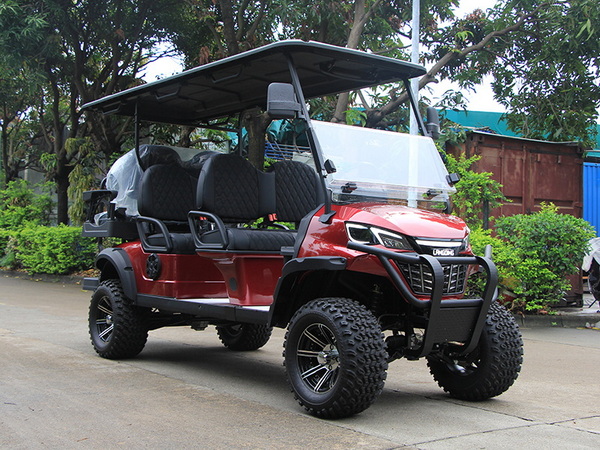
If you already own a golf cart, you can often convert it to street‑legal status by following a structured process. Laws vary, so always confirm details with local authorities before making changes.
1. Confirm Local Regulations
Start by:
1. Checking national and state LSV regulations, including maximum speed and equipment lists.
2. Reviewing city or county ordinances that define where LSVs can operate, such as specific neighborhoods, resort zones, or designated routes.
3. Verifying whether your planned use, such as private property, mixed roads, or commercial guest transport, is allowed.
This step prevents costly rework later, especially if your area has special signage or lighting rules.
2. Install Required Safety Equipment
Next, bring the cart up to safety standards.
Core tasks include:
- Adding or upgrading headlights, taillights, brake lights, and turn signals.
- Installing a compliant windshield and wiper system if required.
- Mounting side mirrors and a rearview mirror for adequate visibility.
- Fitting seat belts for every passenger position, including rear seats if present.
- Adding a horn, reflectors, and an LSV sign if mandated in your jurisdiction.
Working with an experienced LSV conversion specialist can help ensure that wiring, mounting, and component selection all meet legal standards.
3. Ensure VIN Assignment
To be registered for road use, the cart typically needs a vehicle identification number, or VIN.
- Some factory‑built LSVs are delivered with a VIN already assigned.
- Converted carts may require inspection and VIN assignment by an authorized agency or dealer.
Without a VIN, many departments of motor vehicles cannot register or title the vehicle for road use.
4. Arrange Insurance and Registration
Once the cart meets equipment standards and has a VIN, you can move to paperwork.
Typical steps:
1. Obtain appropriate liability insurance coverage for an LSV or neighborhood electric vehicle.
2. Register the cart with your local motor vehicle department as a low‑speed vehicle or equivalent category.
3. Pay applicable taxes and fees and receive official documentation.
Insurance requirements can vary widely, but proof of coverage is often mandatory to drive on public roads.
5. Install License Plate and Complete Inspection
Finally, install any issued license plate and complete inspections.
- Mount front and or rear plates as required by local law.
- Schedule a compliance or safety inspection if your area requires a formal check before issuing plates or documentation.
Only after passing inspection and receiving final approval should you operate the cart on public streets.
Sample Equipment Checklist for Street Legal Golf Carts
The table below summarizes typical requirements you can use as a high‑level checklist before registration.
Item | Required for Street Legal Use? | Function |
Headlights | Yes | Visibility in low-light conditions |
Taillights and brake lights | Yes | Show position and braking to other drivers |
Turn signals | Yes | Indicate lane changes and turns |
Horn | Yes | Warn other road users |
Windshield | Yes | Protect from debris and wind |
Side mirrors | Yes | Expand side and rear visibility |
Seat belts | Yes | Protect occupants during sudden stops |
LSV sign, where required | Sometimes | Identifies vehicle as a low-speed vehicle |
VIN | Yes | Enables registration and titling |
License plate | Yes | Required for legal on-road operation |
Ideal Use Cases for Street Legal Golf Carts
Street legal golf carts create value in many scenarios beyond the golf course.
Common applications include:
- Residential communities: Neighbor‑to‑neighbor visits, small grocery runs, and clubhouse access.
- Resorts and hotels: Guest shuttles between rooms, pools, beaches, restaurants, and parking areas.
- University and corporate campuses: Staff movement, maintenance teams, and intra‑campus shuttles.
- Tourism and rentals: Guided city tours, beach rentals, and vacation home transportation.
Fleet buyers often prioritize durability, battery range, passenger capacity, and after‑sales support when choosing a manufacturer for these applications.
How Businesses Can Leverage Street Legal Golf Carts
For brand owners, wholesalers, and local assemblers, street legal golf carts open up new revenue streams and product lines.
Business advantages include:
- Differentiated product offerings: Branded LSVs with custom colors, seating layouts, and accessories tailored to specific markets.
- Recurring revenue: Ongoing parts, maintenance, and fleet expansion for commercial customers.
- Sustainability positioning: Electric golf carts help partners and customers meet environmental and ESG goals.
Working with a specialized OEM manufacturer enables businesses to launch street‑legal product lines without building their own production facilities. This is especially important in 2026, as more regions adopt low‑emission mobility targets and look for practical alternatives to traditional vehicles.
Partner With a Professional OEM Manufacturer in 2026
If you are a brand owner, wholesaler, or local vehicle producer looking to expand into the street legal golf cart and LSV market in 2026, partnering with a dedicated OEM factory is a strategic way to move fast while maintaining quality. By working with a specialist manufacturer, you can launch customized, compliant street legal golf carts under your own brand and scale production as demand grows.
As a professional Chinese manufacturer of golf carts and compact electric vehicles, LANGQING can provide OEM solutions tailored to your market's regulations and design preferences. From core chassis and electric drive systems to body styling, lighting, and safety equipment, you can create a complete street legal product line with your logo and branding.
Use this guide as your roadmap, then contact LANGQING to discuss specifications, target markets, battery options, and compliance requirements for your next generation of street legal golf carts in 2026.
Take the Next Step With Your Street Legal Golf Cart Project
If you are ready to transform your product line or fleet with safe, compliant street legal golf carts in 2026, now is the best time to act. Define your target markets, clarify local regulations, and then partner with LANGQING to develop customized OEM models that meet your branding, performance, and regulatory needs. Contact LANGQING today to start designing your street legal golf cart solution and turn this growing mobility trend into a competitive advantage for your business.
Contact us today to get more information!
FAQ About Street Legal Golf Carts
1. What is needed to make a golf cart street legal?
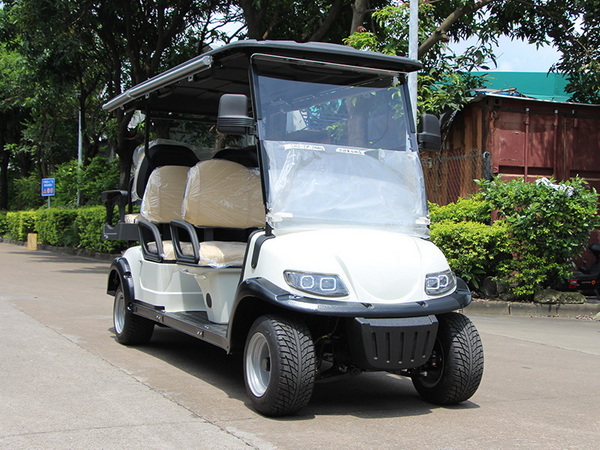
A golf cart must be upgraded with safety equipment such as headlights, taillights, turn signals, horn, windshield, mirrors, seat belts, and, in some regions, an LSV sign, and then properly registered and insured for road use. Owners should also confirm that the vehicle meets local speed and classification requirements before driving on public streets.
2. How fast can a street legal golf cart go?
Most street legal golf carts are defined as low‑speed vehicles and have a maximum speed of about 20–25 mph, depending on local regulations. Some regions may set more specific limits or testing methods, so it is important to check the latest rules in your area in 2026.
3. Do I need a driver's license to drive a street legal golf cart?
In many regions, including states such as Florida, a valid driver's license is required to operate a street legal golf cart on public roads. Exact rules vary by jurisdiction, and some areas may also require a minimum age, specific endorsements, or additional restrictions for night driving.
4. Can I drive a street legal golf cart on any road?
No. Street legal golf carts are usually restricted to roads with lower posted speed limits, often around 25 mph, and may be limited to designated areas by local authorities. Highways, major arterial roads, and high‑speed zones are typically off limits for LSVs in order to maintain safety.
5. What is the difference between a regular golf cart and a street legal LSV?
A regular golf cart is designed for use on golf courses and private property, with minimal safety equipment and no registration. A street legal LSV is equipped with additional safety features, has a defined maximum speed, is registered and insured, and is approved for use on certain public roads that meet specific speed and zoning criteria.


