Content Menu
● What Is Driving the Shift to Golf Carts?
● Main Benefits of Using Golf Carts for Everyday Transport
>> 1. Cost-effectiveness for Short-distance Travel
>> 2. Convenience and Everyday Efficiency
>> 3. Eco-friendly Mobility With Electric Golf Carts
>> 4. Compact Design, Easy Parking, and Space Utilization
>> 5. Safety in Controlled Environments
>> 6. High Customization and Brandability
● Golf Carts vs Other Popular Transport Alternatives
>> Comparative Overview Table
● Where Golf Carts and Small Electric Vehicles Work Best
● How to Decide if a Golf Cart Is Right for Your Needs
● OEM Perspective: Why Golf Carts Are a Strategic Product Category
● Practical Tips for Specifying Your Next Golf Cart or Small EV
● Why More Communities and Businesses Are Transitioning to Golf Carts in 2026
● Take the Next Step: Turn Demand into Your Own Golf Cart Product Line
● FAQs About Golf Carts as Everyday Transport
>> 1. Are golf carts suitable for daily commuting on public roads?
>> 2. What is the typical seating capacity of a golf cart for community or resort use?
>> 3. Can golf carts be used in industrial facilities and warehouses?
>> 4. How do electric golf carts compare with gasoline-powered carts?
>> 5. Why do many resorts and gated communities choose golf carts instead of cars for internal transport?
In many neighborhoods, resorts, campuses, and industrial parks, golf carts and small electric vehicles are quickly becoming a smart alternative to traditional cars for short-distance travel. They offer a compelling balance of cost savings, comfort, and eco-friendly performance that fits modern lifestyles in 2026.
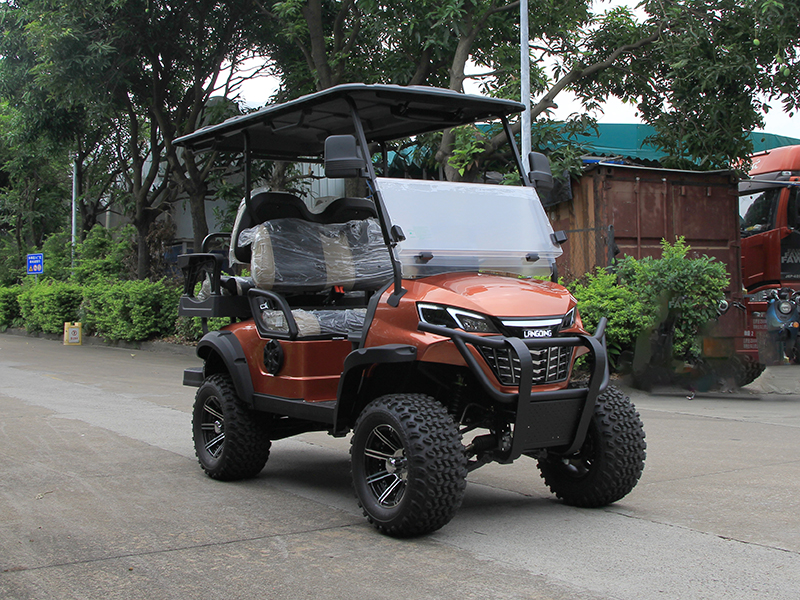
What Is Driving the Shift to Golf Carts?
Golf carts have evolved from simple course vehicles into versatile low-speed transport solutions for everyday life. For short trips and controlled environments, they solve problems that larger vehicles often create.
Key reasons more people are switching include:
- Lower ownership and operating costs compared with traditional cars.
- Easier maneuvering and parking in tight community or industrial spaces.
- Reduced emissions when using electric golf carts or other small electric vehicles.
- Safer, slower-speed travel in gated communities, resorts, campuses, and parks.
Main Benefits of Using Golf Carts for Everyday Transport
1. Cost-effectiveness for Short-distance Travel
For many users, cost is the most practical reason to choose a golf cart over a conventional car.
- Lower purchase price than most cars in the same usage scenario.
- Reduced fuel or electricity consumption for short, frequent journeys.
- Fewer complex systems than full-sized vehicles, which can mean lower maintenance costs.
For example, a resort, industrial park, or community that replaces part of its internal car fleet with electric golf carts can significantly cut internal transport costs while maintaining flexibility and convenience.
2. Convenience and Everyday Efficiency
Golf carts are designed for quick, low-stress movement over short distances.
- Ideal for neighborhood errands, facility inspections, and shuttle routes within a campus or resort.
- Easy to operate with simple controls and a comfortable driving posture.
- Faster than walking and often more convenient than starting a full-sized vehicle for a short trip.
In compact environments, this everyday convenience can translate into real time savings and smoother logistics.
3. Eco-friendly Mobility With Electric Golf Carts
Electric golf carts and small electric vehicles align with increasingly strict environmental expectations in 2026.
- Zero local tailpipe emissions during operation.
- Lower energy consumption per kilometer than most passenger cars in short-distance scenarios.
- Suitable for indoor or semi-indoor areas, such as large factories, warehouses, or covered resorts, where exhaust fumes from traditional engines would be problematic.
Many communities and commercial facilities now use electric golf carts as part of their broader sustainability strategy.
4. Compact Design, Easy Parking, and Space Utilization
The compact size of golf carts solves one of the most common urban frustrations: parking and tight maneuvering.
- Golf carts can fit into smaller parking spaces and lanes than traditional cars.
- They work well in narrow streets, resort paths, factory lanes, and crowded community roads.
- Their turning radius and visibility support easy low-speed maneuvering.
For gated communities, resorts, and industrial campuses, this compactness directly improves user experience and land-use efficiency.
5. Safety in Controlled Environments
Golf carts typically operate at lower speeds, which can improve safety in specific environments.
- Ideal for gated communities, campuses, and resorts where speed limits are naturally low.
- Easier for pedestrians and other users to anticipate vehicle movement at lower speeds.
- When combined with proper usage rules, lighting, and signaling, golf carts support a safer traffic mix.
Safety is especially important for transport of guests, elderly residents, or staff within large facilities.
6. High Customization and Brandability
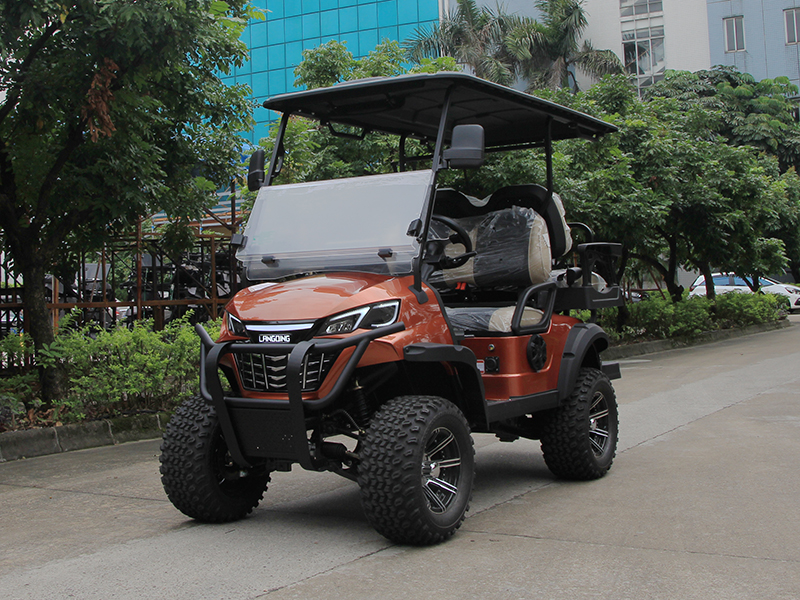
Golf carts and small electric vehicles can be highly customized to match specific applications or brand images.
Common customization directions include:
- Seating configurations, such as 2-seater, 4-seater, 6-seater, and 8-seater layouts.
- Cargo beds or utility boxes for maintenance, logistics, and industrial use.
- Weather enclosures, windshields, and cab structures for all-season use.
- Branding elements such as colors, logos, and custom upholstery.
For OEM customers, this level of customization is crucial to differentiate their own product line in the market.
Golf Carts vs Other Popular Transport Alternatives
The choice between a golf cart and other transport modes depends on distance, environment, and usage patterns.
Comparative Overview Table
Transport Option | Main Strengths | Main Limitations | Golf Cart Advantage |
Bicycles / E-bikes | Fitness benefits, zero direct emissions, very low operating cost. | Limited weather protection, lower comfort, limited cargo. | More comfort, weather accessories, better stability. |
Electric scooters / boards | Ultra-compact, trendy, easy to store. | Limited stability, limited range and cargo, not ideal for all riders. | Stable seating and more safety in many use cases. |
Public transport | Cost-effective for longer distances, reduced traffic per passenger. | Fixed schedules and routes, waits and transfers, limited door-to-door service. | On-demand, flexible, door-to-door in local areas. |
Electric / hybrid cars | Higher speed, full-road capability, comfort for long distances. | Higher purchase cost, more complex infrastructure needs. | Lower cost and simpler for short local trips. |
This comparison shows that golf carts are not meant to replace all vehicles, but they are often the optimal solution for local, low-speed, short-range travel.
Where Golf Carts and Small Electric Vehicles Work Best
Golf carts and other small electric vehicles excel in specific environments where they match speed, distance, and safety requirements.
Typical application scenarios include:
- Residential communities and gated neighborhoods.
- Resorts, hotels, and theme parks.
- Industrial parks, factories, and warehouses.
- University and corporate campuses.
- Golf courses and recreational centers.
These environments benefit from low noise, low emissions, and flexible short-distance mobility.
How to Decide if a Golf Cart Is Right for Your Needs
For individuals, businesses, or OEM buyers, choosing golf carts as a transport solution should follow a thoughtful evaluation.
You can use this simple step-by-step approach:
1. Clarify daily travel distances and typical routes, including internal roads, local streets, or open roads.
2. Identify who will use the vehicle, such as guests, staff, residents, or logistics teams.
3. Evaluate whether most trips can safely be done at low speed within controlled areas.
4. Consider operating costs, charging or fueling infrastructure, and maintenance capabilities.
5. Decide which seating capacity and cargo configuration fits your application.
If most of your trips are short, repetitive, and happen inside a community, campus, or industrial site, a golf cart or small electric vehicle can be a strong fit.
OEM Perspective: Why Golf Carts Are a Strategic Product Category
For international brands, wholesalers, and manufacturers, golf carts and other mini electric vehicles are not just end-user products; they are strategic product lines with growing market demand in 2026.
Key OEM advantages include:
- Expanding global demand for low-speed electric vehicles across tourism, real estate, and industrial logistics.
- Flexible design and modularity, allowing multiple models from a common platform.
- Opportunities to differentiate through design, comfort features, and application-specific configurations.
A professional factory partner can help OEM customers shorten development cycles, enhance product reliability, and ensure consistent quality for different markets.
Practical Tips for Specifying Your Next Golf Cart or Small EV
When planning your next golf cart or small electric vehicle project, it is important to define clear specifications before entering production.
Focus on these practical aspects:
- Usage scenario: community shuttle, resort guest cart, industrial utility, or mixed-purpose operations.
- Capacity: number of seats, cargo load, and required range per charge.
- Power system: battery type, charging method, and expected charging time.
- Safety features: lighting, mirrors, seat belts, braking performance, and warning systems.
- Comfort and design: seating comfort, weather protection, dashboard layout, and styling.
A well-defined specification not only improves user satisfaction but also reduces redesign costs during OEM cooperation.
Why More Communities and Businesses Are Transitioning to Golf Carts in 2026
The growing adoption of golf carts is closely tied to broader urban mobility trends and sustainability goals.
Communities and businesses are looking for:
- Quieter, cleaner transport within private or semi-private spaces.
- Flexible fleet deployment for internal shuttle services, maintenance teams, and logistics.
- Vehicles that are easy for different drivers to use with minimal training.
Golf carts and small electric vehicles fit these needs, especially when combined with tailored specifications, reliable components, and strong OEM partnerships that understand global market expectations in 2026.
Take the Next Step: Turn Demand into Your Own Golf Cart Product Line
If you are a brand owner, wholesaler, or manufacturer planning to expand your catalog with golf carts or small electric vehicles in 2026, this is the right moment to move from idea to action. By working with a specialized factory focused on golf carts and mini electric vehicles, you can develop customized models, secure stable OEM production, and respond quickly to growing demand from communities, resorts, campuses, and industrial facilities. Reach out to a professional OEM partner now, share your requirements, and start designing your next profitable golf cart project today.
Contact us today to get more information!
FAQs About Golf Carts as Everyday Transport
1. Are golf carts suitable for daily commuting on public roads?
In many regions, golf carts and low-speed vehicles are intended for controlled environments such as communities, campuses, resorts, and industrial parks, and public-road use may require specific regulations or approvals. Always check local laws and safety requirements before planning road use.
2. What is the typical seating capacity of a golf cart for community or resort use?
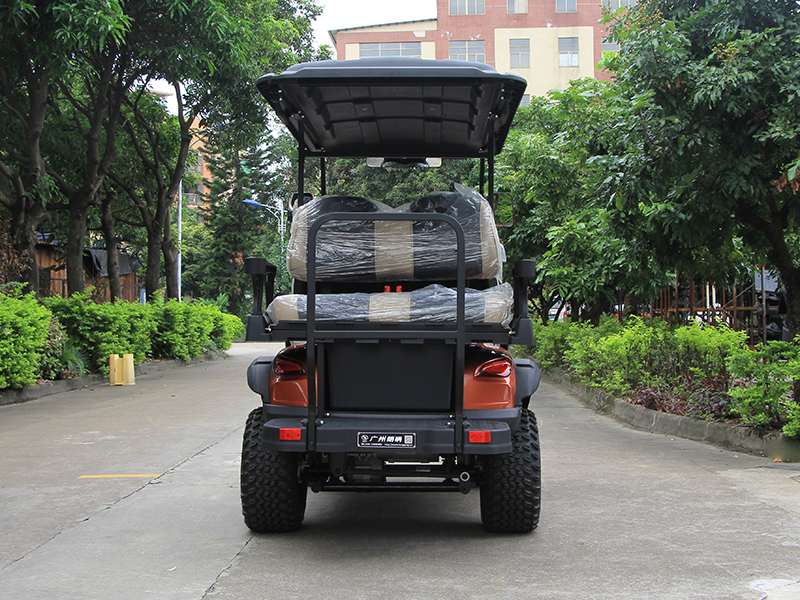
Common configurations range from 2 seats to 8 seats, allowing operators to choose models for personal use, family transport, or guest shuttle operations. Larger configurations are popular in resorts, hotels, and tourism areas where higher passenger flow is expected.
3. Can golf carts be used in industrial facilities and warehouses?
Yes, golf carts and similar small electric vehicles are often used in industrial parks and large warehouse environments for staff movement, light cargo transport, and internal logistics. Utility versions with cargo beds or tool racks are especially useful for maintenance and operations teams.
4. How do electric golf carts compare with gasoline-powered carts?
Electric golf carts offer quieter operation and zero local emissions, which is ideal for communities, resorts, and indoor or semi-indoor environments. Gasoline-powered models may offer longer continuous range in some situations but generate exhaust and noise, which can be less suitable for guest-focused areas.
5. Why do many resorts and gated communities choose golf carts instead of cars for internal transport?
Resorts and communities value golf carts for their lower speeds, quieter operation, reduced emissions, easier parking, and the ability to create a relaxed, guest-friendly atmosphere. They also allow operators to design safer traffic environments where pedestrians, bicycles, and low-speed vehicles can coexist more comfortably.


