Content Menu
● Golf Carts Evolving Into Multi-Purpose Electric Vehicles
● Global Golf Cart Market Growth And Key Trends
● From Golf Course To Everyday Mobility
● The Rise Of Emerging Leaders In Electric Carts
● Lithium-Ion Batteries: Powering The Next Era Of Golf Carts
● Innovation That Changed The Game
● Market Opportunities For OEM Manufacturers And Global Brands
● How The Golf Cart Market Is Segmenting
● Technical And Design Differentiators In Modern Golf Carts
● Why Lithium And Smart Features Are Becoming The New Standard
● Case Snapshot: How Emerging Brands Shape Market Expectations
● Practical Buying Checklist For Dealers, Fleets, And End Users
● Where To Add Data Visualizations
● Traditional Versus Modern Electric Golf Carts
● Strategic Outlook For The Next Decade
● Partner With An Expert OEM To Build The Next Generation Of Golf Carts
● FAQs: Golf Cart Market And Modern Electric Carts
>> 1. Why is the golf cart market growing so quickly?
>> 2. Are lithium golf cart batteries really worth the extra cost?
>> 3. What features matter most when choosing a modern golf cart?
>> 4. How are emerging brands competing with traditional golf cart manufacturers?
>> 5. Where do OEM factories fit into the global golf cart supply chain?
● Citations:
The golf cart market is undergoing a rapid transformation, driven by electric innovation, new use cases beyond the golf course, and aggressive competition from emerging manufacturers. For OEM-focused factories like LANGQING, this shift opens a strategic window to partner with global brands and distributors seeking differentiated, future-ready products.
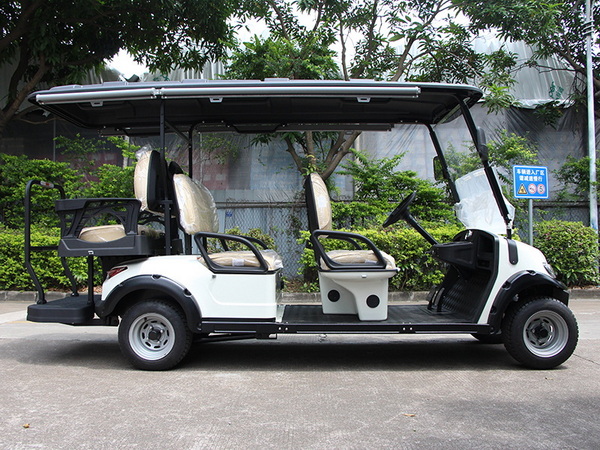
Golf Carts Evolving Into Multi-Purpose Electric Vehicles
Over the past decade, the golf cart has evolved from a simple course accessory into a multi-purpose low-speed electric vehicle used in communities, resorts, campuses, and light commercial environments. This change is reshaping customer expectations, market structure, and the OEM supply chain behind leading brands.
For emerging leaders such as Evolution Electric Vehicles and high-quality OEM manufacturers in China, this transformation is an opportunity to set new benchmarks in design, technology, and cost-performance.
Global Golf Cart Market Growth And Key Trends
The global golf cart market is expanding steadily, supported by lifestyle shifts, tourism, and sustainability policies. Market analysts estimate the sector at around USD 2–3 billion in 2024, with healthy growth projected through 2030 and beyond.
Key macro trends include:
- Rising demand for electric low-speed vehicles in real estate, hospitality, and campuses.
- Government and corporate pushes for greener, low-emission local transport.
- Faster adoption of lithium-ion batteries and smart features such as digital displays and connectivity.
From Golf Course To Everyday Mobility
Golf carts are no longer confined to 18 holes of golf. Today's buyers increasingly use electric carts as local mobility solutions in:
- Gated communities and residential neighborhoods.
- Resorts, hotels, and tourist attractions.
- Industrial parks, factories, and logistics hubs.
This broadening of applications requires carts with:
- Better comfort and ergonomics for longer daily use.
- Optimized safety and regulatory compliance for street-legal or community-legal driving.
- Flexible configurations for passengers, cargo, or mixed usage.
The Rise Of Emerging Leaders In Electric Carts
New players have disrupted a market once dominated by legacy brands such as Club Car, Yamaha, and E-Z-GO. Brands like Evolution Electric Vehicles have built their reputations by pairing lithium powertrains, advanced features, and strong visual design with competitive pricing.
Typical differentiation strategies used by emerging leaders include:
- Stylish automotive-inspired exteriors and LED lighting packages.
- Factory-installed accessories such as upgraded seats, audio, and touchscreens.
- Larger capacity lithium batteries and fast-charging capabilities.
For OEM manufacturers, this proves that design-led, feature-rich products can win significant share, even against long-established brands.
Lithium-Ion Batteries: Powering The Next Era Of Golf Carts
Battery technology is at the heart of the market's transformation. While lead-acid batteries still dominate many installed fleets, lithium-ion packs are rapidly gaining share thanks to lower lifetime costs and better performance.
Key lithium advantages include:
- Lower weight and improved acceleration.
- Faster charging and opportunity charging during short breaks.
- Longer cycle life and minimal routine maintenance.
In many markets, lithium configurations are expected to account for a large and growing portion of new golf cart and low-speed EV sales between now and 2030.
Innovation That Changed The Game
Emerging leaders have not only adopted lithium; they have rethought the entire golf cart experience. Evolution Electric Vehicles, for example, helped popularize several user-focused innovations that quickly influenced the wider industry.
Standout innovations include:
- All forward-facing seating layouts in multi-row models, enhancing visibility, comfort, and communication between passengers.
- Adjustable steering columns, giving drivers of different heights better ergonomics and control.
- Upgraded digital interfaces, lighting, and integrated accessories offered as standard rather than optional extras.
The market responded strongly to these changes, pushing even traditional manufacturers to update their designs and feature sets.
Market Opportunities For OEM Manufacturers And Global Brands
Behind every successful retail brand in this space sits a network of specialized OEM factories that design and assemble carts under private label and joint-development models. Many of these OEMs are based in China, focusing on golf carts and other small electric vehicles.
Strategic opportunities for OEM partners include:
- Co-developing lithium-based platforms tailored to local regulations and use cases.
- Offering modular body designs that can be adapted to golf, community, resort, and utility configurations.
- Providing competitive pricing without sacrificing safety, reliability, or aesthetics.
For overseas distributors, dealers, or emerging brands, collaborating with an experienced OEM allows faster entry into the market with differentiated, future-ready products.
How The Golf Cart Market Is Segmenting
The market is becoming more granular as buyers seek purpose-built solutions rather than one-size-fits-all vehicles.
Key segments include:
- Golf and country clubs – prioritizing durability, serviceability, and total cost of ownership.
- Residential and community use – focusing on style, comfort, street-legal compliance, and personalization.
- Tourism and hospitality – requiring quiet operation, range, and flexible seating for tours and luggage.
- Commercial and industrial – needing cargo beds, towing capacity, and all-terrain capabilities.
This segmentation creates room for specialized models and targeted OEM programs that precisely match customer needs.
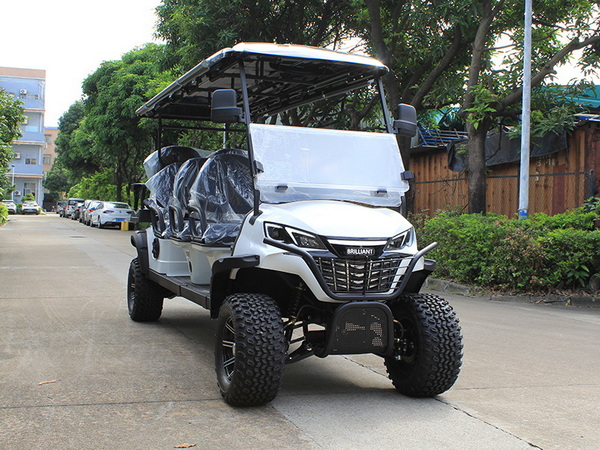
Technical And Design Differentiators In Modern Golf Carts
Today's buyers compare carts with an automotive mindset, looking beyond basic transport. To compete effectively, brands and OEMs emphasize several core differentiators.
Key areas of comparison:
- Powertrain: Lithium versus lead-acid, voltage platforms, controller sophistication.
- Comfort and ergonomics: Seat design, legroom, adjustable steering, and ride quality.
- Safety: Lighting, seat belts, mirrors, braking systems, and compliance with local low-speed vehicle regulations.
- Smart features: Dash displays, Bluetooth audio, backup cameras, and app-enabled functions.
These considerations strongly influence dealer recommendations, online reviews, and long-term end-user satisfaction.
Why Lithium And Smart Features Are Becoming The New Standard
As the cost of lithium cells falls and fleets seek to optimize operating budgets, the industry is rapidly shifting toward lithium-powered, tech-enhanced carts. For many operators, the total cost of ownership is now more important than the lowest purchase price.
Main adoption drivers include:
- Reduced downtime through fast charging and opportunity charging.
- Lower long-term cost compared with repeated lead-acid replacements.
- Increasing expectations for digital interfaces and modern driving experiences, even in low-speed vehicles.
This shift encourages OEMs and brands to make lithium and smart features the default configuration rather than an expensive upgrade.
Case Snapshot: How Emerging Brands Shape Market Expectations
Evolution Electric Vehicles illustrates how a focused brand can reset customer expectations in a relatively mature category. The company has built a lineup that ranges from classic golf configurations to off-road and street-legal community carts, often delivering premium features as standard.
Its influence can be seen in:
- Wide adoption of forward-facing multi-row seating layouts for families and community driving.
- Strong dealer demand for lithium-equipped 4- and 6-passenger models as everyday neighborhood vehicles.
- Positioning electric carts as lifestyle products rather than purely utility vehicles.
As a result, the entire market has been pushed to innovate, investing more in styling, comfort, and user experience.
Practical Buying Checklist For Dealers, Fleets, And End Users
When evaluating golf carts in today's market, professional buyers and consumers can use the following checklist to guide decisions.
1. Intended use and terrain
- Golf course, community roads, hills, off-road, or mixed use.
2. Battery technology
- Lithium for intensive daily use and lower long-term cost; lead-acid where upfront budget is tight.
3. Range and performance
- Required daily mileage, passenger load, climate, and charging access.
4. Safety and compliance
- Local low-speed vehicle rules, lighting, seat belts, mirrors, VIN, and registration requirements.
5. Comfort and layout
- Forward-facing versus rear-facing seats, suspension design, seat quality, and step-in height.
6. Total cost of ownership
- Purchase price, battery life, maintenance demands, downtime, and parts availability.
Where To Add Data Visualizations
To enhance user engagement and clarity on a website, well-placed charts can make complex information easy to digest. For this topic, ideal visualizations include:
- A line chart showing global golf cart market growth from 2020 to 2030.
- A bar chart comparing market share of lithium versus lead-acid batteries over time.
- A pie or stacked bar chart illustrating key usage segments: golf, residential, tourism, and commercial.
Position these visual elements near the market trends section, the battery section, and the segmentation section to maximize impact.
Traditional Versus Modern Electric Golf Carts
Aspect | Traditional golf carts | Modern electric carts |
Primary use | On-course transport only | Multi-purpose community, resort, and utility use |
Battery type | Mostly lead-acid | Increasingly lithium-ion as standard or preferred |
Seating layout | Two seats with rear bag holder | Multiple forward-facing rows and flexible layouts |
Feature level | Basic controls and lighting | Digital displays, audio, upgraded lighting, accessories |
Design focus | Pure utility | Lifestyle, comfort, and aesthetics |
Ownership model | Mainly golf courses and clubs | Golf, homeowners, resorts, campuses, commercial fleets |
Strategic Outlook For The Next Decade
Looking ahead, the golf cart market is set to become an integral part of localized, sustainable mobility ecosystems. Low-speed electric vehicles are increasingly connected to how people move within communities, resorts, and work campuses.
Several trends are likely to shape the next decade:
- Stronger integration with real estate development, resort planning, and smart campuses.
- Wider adoption of lithium and other advanced chemistries optimized for specific climates and duty cycles.
- Increased use of automation, telematics, and connectivity for fleet management and remote diagnostics.
Brands that align with these trends and partner with technically capable OEMs will be best positioned to lead the next wave of growth.
Partner With An Expert OEM To Build The Next Generation Of Golf Carts
For international brands, wholesalers, and regional manufacturers, this is the ideal moment to upgrade product lines and expand offerings with advanced electric carts. By partnering with an experienced Chinese OEM factory that specializes in golf carts and small electric vehicles, you can co-create lithium and lead-acid platforms tailored to your market, integrate forward-facing seating and modern features your customers expect, and balance competitive pricing with strict quality standards. If your brand plans to enter or expand in the golf cart and low-speed EV market, take the next step now: reach out to an expert OEM partner to discuss your custom requirements, and start bringing differentiated, future-ready vehicles to your customers.
Contact us to get more information!
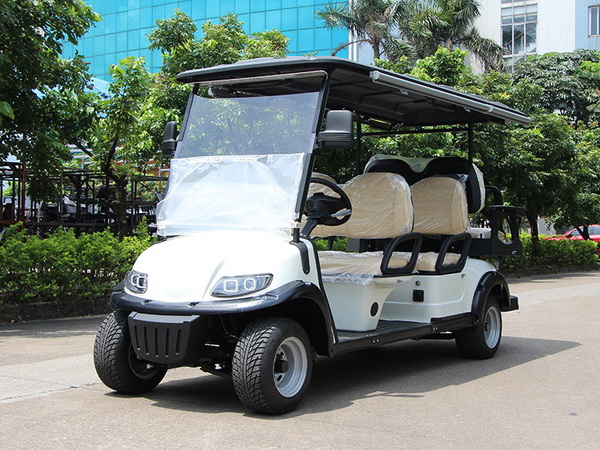
FAQs: Golf Cart Market And Modern Electric Carts
1. Why is the golf cart market growing so quickly?
The market benefits from rising golf tourism, new residential communities, and demand for eco-friendly local transport. Electric golf carts and low-speed EVs fit perfectly into short-distance, low-emission mobility needs in many regions.
2. Are lithium golf cart batteries really worth the extra cost?
For intensive daily use, lithium batteries typically lower total cost of ownership due to longer life, faster charging, and minimal maintenance. Many fleets now favor lithium despite its higher upfront price, especially in resorts, communities, and commercial applications.
3. What features matter most when choosing a modern golf cart?
Buyers should prioritize safety, battery type, range, seating layout, comfort, and compliance with local regulations. Smart features such as digital displays, lighting packages, and audio systems are increasingly important in purchase decisions.
4. How are emerging brands competing with traditional golf cart manufacturers?
Emerging brands compete by focusing on style, integrated accessories, lithium powertrains, and attractive pricing. This combination allows newer players to stand out in showrooms and online, winning customers who want more than a basic utility cart.
5. Where do OEM factories fit into the global golf cart supply chain?
Specialized OEM manufacturers design, engineer, and assemble vehicles that are sold under international brand names. They enable faster product development, customization, and cost-effective scaling for distributors and brand owners around the world.
Citations:
1. https://evolutionelectricvehicle.com/the-transformation-of-the-golf-cart-market-how-emerging-leaders-like-evolution-are-changing-the-game/
2. https://www.strategicmarketresearch.com/market-report/golf-cart-market
3. https://www.strategicmarketresearch.com/market-report/golf-cart-battery-market
4. https://golfcaradvisor.com/2024/06/30/pioneering-the-future-the-evolution-electric-vehicles-journey/
5. https://golfcarnews.com/the-evolution-of-the-golf-cart-to-small-electric-vehicles/
6. https://www.vynzresearch.com/press-release/golf-cart-market


