Content Menu
● What Affects Golf Cart Lifespan?
● Battery Care: The Heart of Your Electric Golf Cart
>> Daily and Weekly Battery Checks
>> Watering and Cleaning Battery Packs
● Proper Charging Practices for Deep-Cycle Batteries
>> Smart Charging Rules
>> Overnight vs. Opportunity Charging
● Drive System Inspection and Care
>> Key Components to Inspect
>> How to Maintain the Drive System
● Suspension and Ride Comfort
>> Why Suspension Maintenance Matters
>> Basic Suspension Checks
● Professional Servicing and Annual Inspections
>> What Technicians Typically Check
>> When to Schedule Service
● Simple Preventive Maintenance Checklist
>> Monthly Checklist
>> Seasonal or Quarterly Checklist
● Example Maintenance Schedule Table
● When to Consider Upgrades or Replacement
>> Signs Your Cart Needs Major Attention
● Take Action: Choose Reliable Carts and Expert OEM Support
● Frequently Asked Questions (FAQ)
>> 1. How often should I charge my electric golf cart?
>> 2. How long do electric golf cart batteries typically last?
>> 3. Do electric golf carts require professional maintenance?
>> 4. What are the most important maintenance tasks for beginners?
>> 5. How do I know if my golf cart suspension needs work?
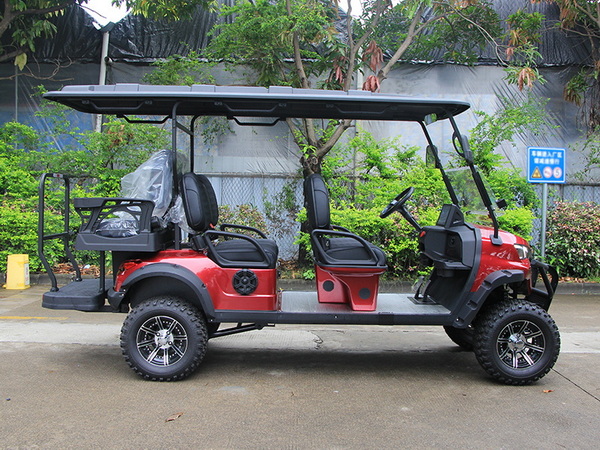
Maintaining your golf cart properly is the single most important factor in how long it will last, how safe it feels, and how much it costs you over time. With a simple, structured maintenance routine, most electric golf carts can operate reliably for many years of daily use on the course, in neighborhoods, or in commercial environments.
What Affects Golf Cart Lifespan?
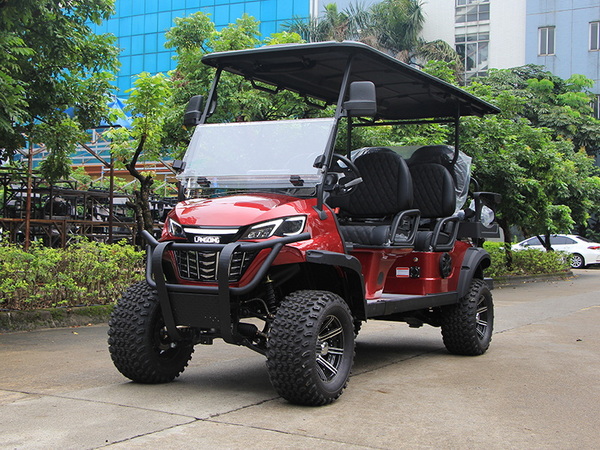
Several core components determine how long your electric golf cart will deliver safe, reliable performance.
- Battery system: Deep-cycle batteries are the heart of an electric cart and are usually the first major component to wear out if neglected.
- Drive system: Motor, controller, and drivetrain parts must be kept clean, inspected, and lubricated to avoid premature failure.
- Suspension and steering: Worn shocks and bushings reduce comfort and can compromise handling and safety.
- Professional servicing: Scheduled expert maintenance catches hidden faults and extends the life of both batteries and the vehicle itself.
In practice, the carts that last the longest are those whose owners follow a consistent maintenance checklist and address small issues before they become costly failures.
Battery Care: The Heart of Your Electric Golf Cart
Deep-cycle batteries power everything in an electric golf cart, so keeping them healthy should be your top priority.
Daily and Weekly Battery Checks
Use this routine if you drive your cart regularly:
- Visually inspect batteries for cracks, swollen cases, or corrosion on terminals.
- Make sure vent caps are secure and undamaged.
- Confirm cables are tight and not frayed or discolored from heat.
Corroded or loose terminals can create resistance, generate heat, and dramatically reduce performance and battery life.
Watering and Cleaning Battery Packs
Most flooded lead-acid batteries require regular watering and cleaning to maintain capacity and lifespan.
1. Fully charge the batteries before checking water levels.
2. Remove vent caps carefully and check that plates are covered but cells are not overfilled.
3. Top up with distilled water only, to the manufacturer's recommended level.
4. Clean light corrosion on the case and terminals using a battery-safe cleaner, then rinse and dry.
Keeping water levels in range prevents plate exposure and sulfation, while clean terminals reduce energy loss and overheating during use.
Proper Charging Practices for Deep-Cycle Batteries
Charging habits can either dramatically extend or quickly destroy your golf cart batteries.
Smart Charging Rules
Follow these core habits for most electric golf carts:
- Avoid deep discharges whenever possible; frequent full drains shorten battery life.
- Do not overcharge batteries; rely on a charger that matches your battery type and cart system.
- Follow the cart manufacturer's charging instructions and recommended charging schedule.
- Store the cart with batteries fully charged if it will sit unused for an extended period.
Treat your charging routine like a healthy “diet” for the cart's batteries: consistent, balanced, and aligned with factory recommendations.
Overnight vs. Opportunity Charging
Many owners plug in their golf cart after each day's use and let the smart charger complete its cycle, which is a safe and effective approach for most systems. Short, partial charges (“opportunity charging”) can be helpful when done correctly, but they should not replace full charge cycles recommended by the manufacturer.
Drive System Inspection and Care
The drive system keeps your cart moving smoothly across the course, campus, or neighborhood.
Key Components to Inspect
A typical electric drive system includes:
- Electric motor
- Motor controller
- Drive axle and differential
- Bearings and universal joints
Regular inspection of these parts helps maintain performance, reduces noise and vibration, and prevents surprise breakdowns.
How to Maintain the Drive System
To keep the drive system in good condition:
- Listen for new noises such as grinding, whining, or clunking while driving.
- Inspect visible moving parts for leaks, damaged boots, or excessive play.
- Lubricate specified components according to your cart's maintenance schedule.
A simple example: adding lubrication to the right points at the right intervals can keep the drivetrain running smoothly for thousands of hours of operation.
Suspension and Ride Comfort
A well-maintained suspension protects both passengers and components from excessive shock and vibration.
Why Suspension Maintenance Matters
Suspension components such as shocks, leaf springs, and bushings support the cart's weight and help keep the tires in contact with the ground. Worn or damaged parts can cause harsh ride quality, unstable handling, and rapid tire wear.
Basic Suspension Checks
- Visually inspect shocks and mounts for leaks, dents, or broken hardware.
- Check bushings and joints for cracks, excessive play, or movement under load.
- Note uneven tire wear or pulling to one side when driving, as this may signal suspension issues.
Replacing worn shocks or bushings restores ride comfort and helps the cart remain stable on rough paths or at higher speeds.
Professional Servicing and Annual Inspections
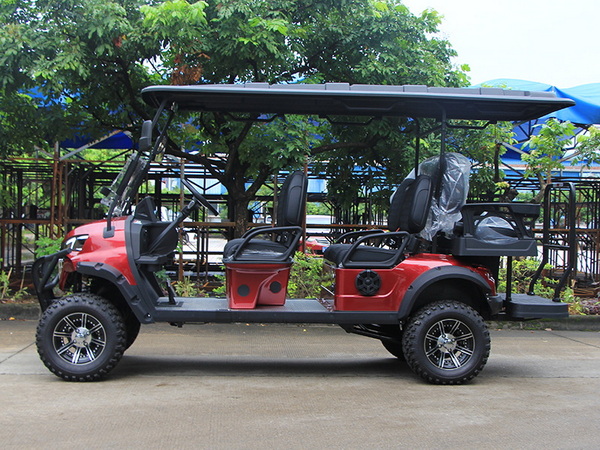
Even if you handle basic maintenance yourself, professional servicing plays a critical role in keeping your golf cart reliable for the long term.
What Technicians Typically Check
Certified golf cart technicians can:
- Test battery health under load and identify weak cells.
- Inspect and adjust brakes, steering, and alignment.
- Evaluate motor, controller, and wiring for hidden issues.
- Update settings on advanced controllers or lithium systems.
Electric carts need less maintenance than gas models overall, but periodic expert attention can add years to the life of your cart.
When to Schedule Service
As a general rule, schedule a comprehensive service at least once a year, or more frequently for commercial fleets and heavy-duty use. Professional checks are especially valuable before high-use seasons or after you notice changes in range, power, or braking performance.
Simple Preventive Maintenance Checklist
A structured checklist makes golf cart care more manageable and consistent.
Monthly Checklist
- Inspect batteries, cables, and terminals.
- Check tire pressure and adjust to recommended values.
- Test lights, horn, and safety accessories.
- Confirm brakes feel firm and responsive.
Seasonal or Quarterly Checklist
- Perform a full battery cleaning and water level check.
- Inspect suspension components and steering for looseness.
- Lubricate key drive system points as specified by your manufacturer.
- Review any stored fault codes or warning indicators, if available.
By turning these actions into a routine, you reduce downtime, extend component life, and protect the value of your investment.
Example Maintenance Schedule Table
You can use a structured schedule to make tasks easier to follow.
Timeframe | Key Tasks | Notes |
After each use | Charge batteries fully, quick visual check of tires and lights | Use manufacturer-approved charger and follow instructions. |
Weekly | Inspect battery cables and terminals, look for leaks or damage | Clean light corrosion before it spreads. |
Monthly | Check tire pressure, test brakes and steering response | Correct pressures improve safety and range. |
Quarterly | Deep clean battery pack, inspect suspension and drive system | Lubricate specified moving parts. |
Yearly | Professional inspection and servicing | Catch hidden issues and extend overall lifespan. |
When to Consider Upgrades or Replacement
At some point, even well-maintained carts reach the end of their economical service life.
Signs Your Cart Needs Major Attention
- Noticeably reduced range even after proper charging and maintenance.
- Frequent electrical faults or controller errors.
- Persistent suspension or steering problems despite part replacements.
In these cases, it may be more cost-effective to invest in a new or upgraded cart rather than continuously repairing an outdated platform.
Take Action: Choose Reliable Carts and Expert OEM Support
If you manage a golf course, resort, community, or commercial fleet, this is the ideal moment to turn maintenance knowledge into real performance gains. By pairing a consistent maintenance routine with electric golf carts engineered for durability and serviceability, you can cut downtime, control operating costs, and improve every ride for your drivers and passengers. To upgrade your fleet with robust, maintenance-friendly models and tailored OEM configurations, contact our professional golf cart manufacturing team today and discuss solutions built around your routes, loads, and operating environment.
Contact us today to get more information!
Frequently Asked Questions (FAQ)
1. How often should I charge my electric golf cart?
Most owners should charge the cart after each day of use, allowing the smart charger to complete a full cycle according to manufacturer guidelines. If your cart operates in a commercial or fleet setting, charging schedules should be optimized based on daily runtime and battery type.
2. How long do electric golf cart batteries typically last?
Battery life depends on usage, charging habits, and maintenance, but with proactive care and correct charging, many deep-cycle battery packs can provide several years of reliable service. Extreme temperatures, heavy loads, and frequent deep discharges will shorten the usable lifespan.
3. Do electric golf carts require professional maintenance?
Yes. While they need less service than gas carts, periodic professional inspections help detect hidden issues in batteries, wiring, and drive components and can extend the life of the vehicle. A yearly inspection is a good baseline, with more frequent checks for heavily used fleets.
4. What are the most important maintenance tasks for beginners?
Focus on correct charging habits, keeping batteries clean and watered, checking tire pressure, and testing brakes regularly. As you gain experience, add routine inspections of the drive system, suspension, and electrical accessories to your maintenance schedule.
5. How do I know if my golf cart suspension needs work?
Common symptoms include a rough or bouncy ride, uneven tire wear, unusual noises over bumps, or the cart feeling unstable when turning or on uneven ground. Any of these signs indicate it is time for a detailed suspension inspection and possible replacement of worn components.