Content Menu
● What Really Determines Golf Cart Lifespan?
● Target Keywords for This Guide
● Essential Golf Cart Maintenance Checklist
● Golf Cart Battery Maintenance for Maximum Life
>> Lead-Acid Battery Maintenance (Flooded Batteries)
>> Lithium-Ion Battery Maintenance
● Smart Golf Cart Charging Habits
● Golf Cart Tire Maintenance and Wheel Care
● Regular Inspections and Preventative Maintenance
>> Key Components to Inspect Regularly
● Cleaning and Rust Prevention
● Best Practices for Golf Cart Storage
● Driving Habits That Protect Your Cart
● When to Upgrade Parts Instead of Repairing
● How Good Maintenance Changes Real-World Lifespan
● Professional Support and OEM-Level Maintenance
● Take Action Now to Protect Your Golf Cart Investment
● Frequently Asked Questions (FAQ)
>> Q1: How long does an electric golf cart usually last?
>> Q2: How often should I charge my golf cart batteries?
>> Q3: Do I need to check water levels in all golf cart batteries?
>> Q4: What tire pressure is best for golf carts?
>> Q5: Is professional servicing necessary if I already do basic maintenance?
● Citations:
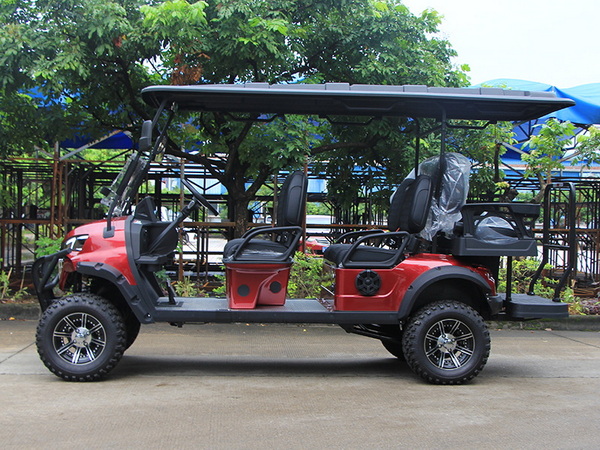
Owning a golf cart is an investment, and with the right golf cart maintenance you can keep it running safely and efficiently for many years. With consistent care, most electric golf carts can deliver reliable performance well beyond a decade of use.
What Really Determines Golf Cart Lifespan?
Several core factors decide whether your cart lasts only a few years or serves you well for 10–15 years or more.
- Usage pattern (occasional rounds versus daily transport on rough terrain).
- Battery type and care (lead-acid versus lithium, charging habits, depth of discharge).
- Maintenance discipline (regular inspections, timely parts replacement, cleaning).
- Storage environment (covered and dry versus outdoors in rain and strong sun).
When owners follow a clear maintenance strategy, they reduce breakdowns, improve safety, and protect both performance and resale value over the long term.
Target Keywords for This Guide
This guide is designed around the primary keyword golf cart maintenance, supported by natural use of related terms such as golf cart battery maintenance, golf cart tire maintenance, how to extend golf cart lifespan, electric golf cart maintenance tips, golf cart storage best practices, and golf cart preventative maintenance checklist.
Use these phrases naturally in your on-page headings, introduction, and conclusion to help search engines understand the topic while keeping the article easy to read for real users.
Essential Golf Cart Maintenance Checklist
This practical golf cart maintenance checklist helps you quickly see what to do daily, monthly, and seasonally to extend your cart's lifespan.
Interval | Maintenance actions (electric carts) |
After each use | Charge batteries fully, check for odd noises or smells, park in a dry, ventilated area. |
Weekly | Quick visual check of tires, lights, and body; test brake feel during driving. |
Monthly | Check battery water (for lead-acid), clean terminals, check tire pressure, inspect cables and wiring. |
Quarterly | Inspect brakes, suspension, and steering components; tighten bolts and fasteners. |
Annually | Arrange a full professional service: battery test, brake service, alignment, controller and wiring check. |
For commercial fleets or community carts, turning this table into a printed or digital preventative maintenance checklist makes it easy for staff to follow consistent routines.
Golf Cart Battery Maintenance for Maximum Life
Battery care is the single most important factor in electric golf cart maintenance. Good habits can add years to the useful life of your pack and dramatically reduce running costs.
Lead-Acid Battery Maintenance (Flooded Batteries)
Traditional flooded lead-acid batteries remain common in golf carts and can perform well for many years when maintained correctly.
- Check water levels monthly and make sure electrolyte covers the plates without overfilling; use distilled water only.
- Clean terminals regularly with a mild baking soda and water solution, then dry and apply suitable terminal protection spray.
- Charge the batteries after every use and avoid repeated deep discharges below around half capacity.
- Use an automatic charger designed for your system so the batteries are not overcharged or undercharged.
- Inspect cases for cracks, leaks, swelling, or other damage, and replace any suspect unit immediately.
Creating a simple battery health log with dates, voltage readings, water top-ups, and cleaning sessions makes it easy to spot patterns and intervene early.
Lithium-Ion Battery Maintenance
Lithium battery systems offer longer cycle life, faster charging, and less daily maintenance, but they still need proper care.
- Follow the manufacturer's recommended storage charge level, often in the mid range rather than completely full.
- Avoid repeatedly running lithium batteries down to empty; plan recharging before the pack is fully drained.
- Always use chargers approved for your specific lithium system and built-in battery management system.
- Keep lithium packs in a cool, dry space when possible, avoiding prolonged exposure to extreme temperatures.
For many users and fleets, upgrading from lead-acid to lithium can significantly reduce maintenance tasks while extending the service life of the power system.
Smart Golf Cart Charging Habits
Charging habits directly influence battery lifespan and the reliability of the whole electrical system.
- Plug in and recharge after each use rather than waiting until the batteries are nearly flat.
- Avoid leaving the charger connected for long periods if it is not a modern automatic or maintainer model.
- Let each charge cycle finish instead of interrupting it repeatedly.
- During long storage, use a suitable battery maintainer or follow a schedule of periodic top-up charges.
By treating charging as a routine part of golf cart maintenance, you reduce the risk of sulfation, capacity loss, and unexpected failures.
Golf Cart Tire Maintenance and Wheel Care
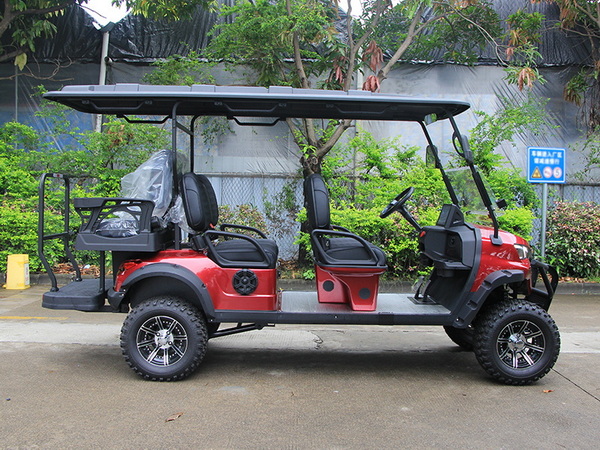
Tires have a big impact on safety, comfort, and how hard the motor, suspension, and steering components have to work.
- Check tire pressure at least once a month and keep it within the recommended range in your manual or on the sidewall.
- Rotate tires regularly to even out wear and extend their usable life.
- Inspect sidewalls and tread for bulges, cracks, punctures, or other damage.
- Keep wheels clean so that rust, cracks, and other issues are easier to spot.
A well-maintained set of tires supports smoother rides, better traction, and more efficient operation for both personal and fleet carts.
Regular Inspections and Preventative Maintenance
Routine inspections catch minor problems before they become expensive breakdowns or safety hazards.
Key Components to Inspect Regularly
- Brakes: Watch for reduced braking performance, squealing, grinding, or vibrations when stopping.
- Steering and suspension: Check for excessive play in the steering wheel, clunking noises, or uneven ride height.
- Electrical wiring: Look for frayed or exposed wires, loose connections, or any signs of overheating near controllers and contactors.
- Chassis and frame: Inspect for rust, cracks, or physical damage, especially if the cart operates in coastal or humid environments.
Many owners schedule an annual or semiannual professional inspection on top of their own checks, particularly when the cart is used daily or carries people over long distances.
Cleaning and Rust Prevention
Keeping your golf cart clean does more than improve its appearance; it helps prevent corrosion and structural damage.
- Wash the body and undercarriage regularly to remove mud, sand, salt, and chemicals.
- Avoid spraying high-pressure water directly into electrical components, the battery compartment, or under-dash wiring.
- Dry the cart properly after washing or heavy rain, paying extra attention to metal brackets, fasteners, and joints.
- Use suitable anti-corrosion spray on exposed metal parts when operating near the coast or in very humid climates.
Clean, rust-free frames and components are far easier and cheaper to maintain than heavily corroded parts that eventually need replacement.
Best Practices for Golf Cart Storage
Correct storage practices are crucial during winter or any period when the cart will sit unused for weeks or months.
- Store the cart in a dry, covered area away from direct rain, snow, and intense sunlight.
- Clean the cart thoroughly before storage and remove debris from the battery tray, floor, and underbody.
- For long-term storage, consider using wheel chocks rather than leaving the parking brake engaged for months, depending on manufacturer guidance.
- Adjust battery charge levels and follow the recommended steps for disconnecting or maintaining the pack during storage.
If possible, check on the cart periodically during long storage to verify tire pressure, battery condition, and any signs of moisture or pests.
Driving Habits That Protect Your Cart
How you drive your golf cart plays a major role in its overall lifespan and maintenance needs.
- Avoid aggressive full-throttle starts and sudden hard braking as everyday habits.
- Slow down on rough paths, potholes, or steep hills to protect the frame, suspension, and steering components.
- Respect the rated limits for passenger count, cargo load, and towing capacity.
Gentle, controlled driving keeps stress on mechanical and electrical systems low, which reduces wear and extends the life of critical parts.
When to Upgrade Parts Instead of Repairing
At some point, upgrading major components can be more cost-effective than repeatedly repairing aging parts, especially on older electric carts.
- Battery pack: Replacing a worn pack can restore range and power and may be an opportunity to upgrade to lithium when compatible.
- Controller and motor: Updated controllers and correctly matched motors can deliver smoother acceleration and improved efficiency.
- Suspension and brakes: Heavy-duty shocks and upgraded braking systems are valuable for carts used on rough terrain or with heavy loads.
By planning upgrades at the right time, you can extend the useful life of the cart chassis and adapt performance to new usage needs.
How Good Maintenance Changes Real-World Lifespan
Real-world experience shows a clear difference between carts that receive regular care and those that do not.
- Poorly maintained carts often need major repairs or replacement much sooner.
- Carts that follow a structured maintenance schedule commonly deliver reliable performance for 10–15 years or longer.
- Commercial fleets that document preventive maintenance usually see fewer unexpected failures and lower total cost per operating hour.
These results highlight the value of consistent golf cart maintenance for both individual owners and fleet managers.
Professional Support and OEM-Level Maintenance
Even if you handle routine cleaning and basic checks yourself, working with professionals adds another layer of protection for your investment.
- Schedule periodic inspections with technicians who understand your specific cart model and battery system.
- Choose original or high-quality replacement parts that follow manufacturer specifications.
- Keep detailed records of services, repairs, upgrades, and battery replacements.
For brand owners, wholesalers, and distributors, partnering with experienced OEM factories can ensure that carts are designed from the start for easy maintenance, long-term durability, and fleet-level support.
Take Action Now to Protect Your Golf Cart Investment
If you want your golf cart to deliver safe, efficient, and long-lasting performance, the best time to improve your maintenance routine is right now. For brands, wholesalers, and distributors seeking durable, easy-to-maintain golf carts and small electric vehicles built for long service life, contact our OEM-focused factory team today to discuss customized configurations, component options, and long-term support tailored to your market.
Contact us today to get more information!
Frequently Asked Questions (FAQ)
Q1: How long does an electric golf cart usually last?
An electric golf cart that receives consistent maintenance, sensible driving, and proper storage can often last 10–15 years or even longer before major components need replacement.
Q2: How often should I charge my golf cart batteries?
Most owners should charge their golf cart batteries after each use, even when the trip is short, and avoid letting the pack sit in a deeply discharged state for long periods.
Q3: Do I need to check water levels in all golf cart batteries?
You only need to check and top up water in flooded lead-acid batteries; sealed AGM and most lithium batteries do not require water level checks.
Q4: What tire pressure is best for golf carts?
The ideal tire pressure depends on tire type and load rating, so always follow the pressure range printed on the tire sidewall and in the owner's manual, and check monthly.
Q5: Is professional servicing necessary if I already do basic maintenance?
Basic cleaning and visual checks are helpful, but periodic professional servicing is strongly recommended to assess brakes, suspension, electrical components, and battery health in more detail.
Citations:
[1] https://golfcarts.com/how-long-do-electric-golf-carts-last/
[2] https://www.phantomgogo.com/blogs/the-social-benefits-of-e-scooters/how-to-maintain-and-extend-the-lifespan-of-your-golf-cart
[3] https://www.vacarsandcarts.com/understanding-the-life-expectancy-of-used-golf-carts/
[4] https://dcdirect.com.au/blogs/news/golf-cart-batteries-guide
[5] https://www.bennelsongolfcars.com/blog/how-long-does-an-electric-golf-cart-last--59793
[6] https://www.rmigolfcarts.com/blogs/news/how-to-extend-the-lifespan-of-your-golf-cart-batteries
[7] https://kcgolfcartco.com/2026/12/31/how-to-safely-store-your-golf-cart-during-winter-months/
[8] https://www.performancegolfcarts.com/blog/how-to-prepare-your-golf-cart-for-long-term-storage/
[9] https://www.lakeeriegolfcars.com/blog/-5-maintenance-tips-to-extend-the-life-of-your-golf-cart--95268
[10]
https://golfcarts.com/how-to-maintain-and-extend-the-lifespan-of-your-golf-cart/


