Content Menu
● Understand Your Golf Cart Battery Type First
>> Lead-acid golf cart batteries
>> Lithium-ion golf cart batteries
● Match Charger Voltage to Your Golf Cart System
>> Common golf cart voltages
● Choose the Right Amp Rating and Charging Speed
>> Amp-hours (Ah) and charger size
>> Fast charging vs battery life
● Smart Charging Technology and Safety Features
>> Multi-stage and automatic charging
>> Essential protection features
● Portability, Mounting, and Everyday Convenience
>> On-board vs off-board chargers
>> Portability and cable management
● Durability, Weather Resistance, and Outdoor Use
>> Enclosure and environmental protection
>> Vibration and impact resistance
● Practical Steps to Select the Right Charger (2026 Checklist)
>> 7-step decision checklist
● Example Scenarios: Which Golf Cart Charger Fits You?
>> Private owner with weekend use
>> Resort, hotel, or golf course fleet
>> Off-road and hunting carts
● OEM Tips: Working With a Professional Charger Manufacturer
>> Benefits of OEM charger solutions
● Why the Right Golf Cart Charger Extends Battery Life
● When to Replace Your Golf Cart Battery Charger
>> Warning signs of a failing charger
● Take Action: Upgrade to a Charger That Matches Your Cart
● FAQs: Golf Cart Battery Chargers
>> 1. What size golf cart charger do I need for a 48V system?
>> 2. Can I use a lead-acid charger on lithium golf cart batteries?
>> 3. How long does it take to charge a golf cart battery pack?
>> 4. Is a smart golf cart charger worth the extra cost?
>> 5. Should I choose an on-board or off-board golf cart charger?
● Citations:
Selecting the right golf cart battery charger is critical if you want stable performance, longer battery life, and lower maintenance costs for your electric golf cart. A charger that matches your cart's system will protect your investment, reduce downtime, and maximize every charge cycle.
Understand Your Golf Cart Battery Type First
Before comparing brands or features, confirm whether your golf cart uses lead-acid batteries or lithium-ion batteries, because each chemistry needs a different charging profile. Using the wrong type of charger can shorten battery life, reduce range, and even create safety risks over time.
Lead-acid golf cart batteries
Traditional golf carts often rely on flooded lead-acid, AGM, or gel batteries that are designed for deep-cycle discharge and steady recharging. These batteries require a charger that supports multi-stage charging (bulk, absorption, and float) to avoid chronic undercharging or overcharging.
Key points for lead-acid golf cart chargers:
- Designed for deep-cycle use, not automotive starting batteries.
- Offer controlled charging and proper float mode to help prevent plate damage.
- Must match the system voltage (for example, 36V or 48V).
Lithium-ion golf cart batteries
Modern lithium golf cart batteries need chargers tuned to lithium chemistry, with a different voltage curve and no long float stage. A dedicated lithium charger helps maintain capacity, limits heat, and fully leverages the faster charging capability of lithium packs.
What to look for in a lithium golf cart charger:
- Explicit compatibility with LiFePO₄ or your battery's specified chemistry.
- Smart BMS communication or at least lithium-specific voltage limits.
- Built-in protections against overcharge and overheating.
Match Charger Voltage to Your Golf Cart System
Voltage compatibility is absolutely essential: a 36V cart requires a 36V charger, and a 48V cart requires a 48V charger. Using a charger with the wrong voltage risks damaging both the charger and the battery pack.
Common golf cart voltages
Most modern carts use one of these configurations:
- 36V golf cart battery charger.
- 48V golf cart battery charger.
- Less common: 60V or 72V for high-performance or utility carts.
How to check your voltage:
1. Count the number of batteries in the pack.
2. Check each battery's voltage on its label (for example, 6V, 8V, or 12V).
3. Multiply battery voltage by the number of batteries to confirm total system voltage.
Choose the Right Amp Rating and Charging Speed
Once voltage and chemistry are clear, the next decision is how many amps your golf cart charger should deliver. The charger's amp rating affects how fast you can recharge and how gently the batteries are treated.
Amp-hours (Ah) and charger size
Every battery pack has an amp-hour (Ah) rating that reflects how much energy it can store. A charger must be sized to charge that pack in a reasonable time without causing excess heat or stress.
General guidelines for charger current versus pack size:
- Small packs (around 150–170Ah): 10–15A chargers for overnight charging.
- Medium packs (around 180–210Ah): 15–20A chargers for regular fleet use.
- Large or high-capacity packs: 20–30A chargers for faster turnaround.
Fast charging vs battery life
Faster is not always better. High-amp chargers reduce downtime, but sustained aggressive charging can shorten battery life, especially for lead-acid packs. Lithium batteries tolerate higher charge rates more comfortably, but still benefit from following manufacturer recommendations on maximum charge current.
Simple decision rule:
- Use a moderate-amp charger if you mainly charge overnight.
- Consider a higher-amp charger if carts must be ready several times per day.
Smart Charging Technology and Safety Features
Modern smart golf cart chargers automatically adjust charging stages to protect your batteries and increase efficiency. They also include safety features that reduce the risk of damage or unsafe conditions during unattended charging.
Multi-stage and automatic charging
Smart chargers typically manage three main stages:
- Bulk charge: Delivers maximum current to quickly reach about 80 percent capacity.
- Absorption: Holds voltage steady while current tapers to complete the charge.
- Float or maintenance (for lead-acid): Keeps batteries topped off without overcharging.
By tailoring voltage and current throughout the cycle, these chargers reduce sulfation in lead-acid batteries and help avoid over-voltage on lithium packs.
Essential protection features
Look for these built-in protections in a modern golf cart charger:
- Over-voltage and over-current protection.
- Short-circuit and reverse-polarity protection.
- Temperature monitoring or thermal shutdown.
These features act as a safety net when carts charge overnight or in shared fleet environments.
Portability, Mounting, and Everyday Convenience
A golf cart charger is a daily-use tool, so usability matters almost as much as electrical specs. Choosing the right form factor can simplify charging at home, on the course, or at a resort.
On-board vs off-board chargers
There are two main styles:
1- On-board charger
- Installed permanently on the cart.
- You simply plug the cart into the wall to start charging.
2- Off-board charger
- A separate unit that you plug into the cart when needed.
- Easier to replace or upgrade without modifying the vehicle.
Your choice depends on how frequently the cart moves between locations and whether multiple carts share the same charger.
Portability and cable management
A lightweight, portable golf cart charger makes it easy to charge at home, in storage, or at a worksite. Features like carrying handles, long DC leads, and tidy cable organizers improve everyday usability and reduce connector strain.
Durability, Weather Resistance, and Outdoor Use
Golf carts are often used in resorts, industrial parks, campgrounds, and residential communities, where chargers may face dust, moisture, and temperature swings. A properly sealed and rugged charger will withstand real-world conditions and provide reliable performance.
Enclosure and environmental protection
When choosing a golf cart battery charger for outdoor or semi-outdoor use, consider:
- Weather-resistant housing or a suitable enclosure rating.
- Corrosion-resistant connectors and hardware.
- Adequate ventilation that still protects against water spray and dust.
This is especially important in coastal regions or humid climates where corrosion accelerates.
Vibration and impact resistance
Carts on rough terrain or off-road trails expose on-board chargers to vibration and shocks. A durable charger with reinforced mounting points and solid construction will stay secure and functional even on uneven paths.
Practical Steps to Select the Right Charger (2026 Checklist)
To make selection easier, follow this step-by-step process from first inspection to final purchase. This checklist helps you move from basic information to a confident buying decision.
7-step decision checklist
1. Confirm battery chemistry (lead-acid vs lithium) from your existing pack or specifications.
2. Verify total system voltage (36V, 48V, etc.) by counting batteries and reading labels.
3. Check amp-hour rating (Ah) of your pack to size charger current correctly.
4. Define your usage pattern – occasional leisure, daily commuting, or high-turnover fleet.
5. Decide on on-board or off-board based on where and how often you charge.
6. Prioritize smart charging features and protections suitable for unattended charging.
7. Confirm connector compatibility with your golf cart model before ordering.
This structured approach helps avoid mismatches and ensures your new charger supports both performance and longevity goals.
Example Scenarios: Which Golf Cart Charger Fits You?
Different users need different charging solutions. Use these scenarios to match your situation to a suitable charger profile and quickly narrow down your choices.
Private owner with weekend use
- Typical 36V or 48V lead-acid pack, used mainly for weekend rounds or light community driving.
- Best fit: a moderate-amp smart charger that can safely recharge overnight without stressing the batteries.
Resort, hotel, or golf course fleet
- Multiple carts in daily use, short turnaround times, and professional maintenance.
- Best fit: higher-amp smart chargers, often off-board, with robust cooling and protections to keep carts ready throughout the day.
Off-road and hunting carts
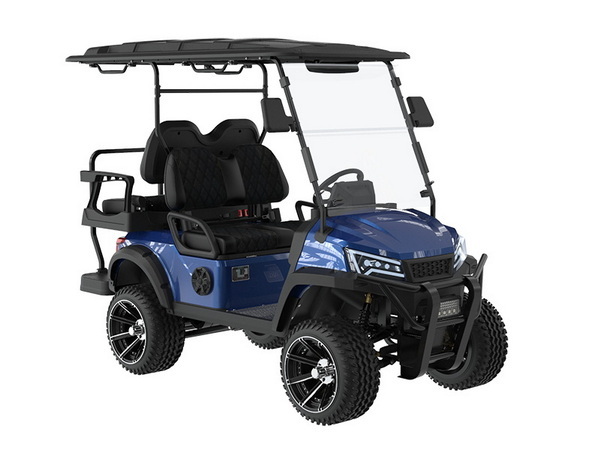
- Lifted carts with larger tires, often running upgraded packs for extended range and higher torque.
- Best fit: a heavy-duty, weather-resistant charger, sized for high-capacity batteries and frequent charge cycles.
These examples make it easier to visualize which golf cart battery charger setup matches your real-world usage.
OEM Tips: Working With a Professional Charger Manufacturer
If you are a brand owner, distributor, or vehicle manufacturer, partnering with an OEM charger supplier can streamline your product line and after-sales support. A coordinated approach to chargers and vehicles creates a more seamless experience for end users.
Benefits of OEM charger solutions
- Custom-matched charging profiles for your battery packs.
- Unified connector standards and wiring harnesses across all models.
- Consistent branding, labeling, and documentation for vehicles and chargers.
By collaborating closely with an experienced factory, you can optimize performance, simplify inventory, and provide end users with a plug-and-play charging experience.
Why the Right Golf Cart Charger Extends Battery Life
A properly matched charger is one of the most cost-effective ways to extend battery life and lower total ownership cost. When voltage, amperage, and charging profile are correct, batteries experience less stress and retain capacity for more cycles.
Key long-term benefits:
- Fewer premature battery replacements and less downtime.
- More consistent range between charges and more reliable performance.
- Better safety when charging in garages, barns, or storage areas.
When to Replace Your Golf Cart Battery Charger
Even a good charger does not last forever. Replacing aging or malfunctioning units can prevent damage to expensive battery packs and unexpected interruptions in use.
Warning signs of a failing charger
- The charger no longer reaches full charge, or charge times suddenly increase.
- The unit becomes unusually hot, noisy, or emits burning smells during use.
- Indicator lights behave erratically, or the charger repeatedly trips breakers.
If any of these symptoms appear, stop using the charger and consult a qualified technician or trusted supplier before continuing regular charging.
Take Action: Upgrade to a Charger That Matches Your Cart
Now that you understand how battery type, voltage, amperage, and smart features work together, it is the right time to match your golf cart with a modern charger that truly fits your needs. Whether you are a private owner, a fleet manager, or a brand looking for OEM solutions, choosing a charger designed for your specific system will improve safety, extend battery life, and deliver more reliable performance every day. Take your battery specifications, follow the checklist above, and contact a professional golf cart and charger manufacturer to configure a smart, durable charger that supports your carts for years to come.
Contact us to get more information!
FAQs: Golf Cart Battery Chargers
1. What size golf cart charger do I need for a 48V system?
A 48V golf cart requires a 48V charger. Many owners choose a charger in the 10–20A range, depending on the pack's amp-hours and how quickly they need to recharge. A higher amp rating shortens charge time but should still stay within the limits recommended by the battery manufacturer.
2. Can I use a lead-acid charger on lithium golf cart batteries?
You should not use a standard lead-acid charger on lithium batteries unless it is specifically rated for lithium. Lithium-ion batteries require a different voltage profile and do not need a long float stage, so an incorrect charger may damage the battery or reduce its lifespan.
3. How long does it take to charge a golf cart battery pack?
Charge time depends on battery capacity and charger amperage. For many standard golf cart setups, a properly sized charger will restore a typical pack in about 6–10 hours with overnight charging. Larger packs or lower-amp chargers can take longer, while higher-amp units shorten the charging window.
4. Is a smart golf cart charger worth the extra cost?
A smart charger is usually worth the investment, because it manages charging stages automatically and reduces the risk of overcharging. This helps extend battery life, stabilizes performance, and provides more peace of mind when you need to charge the cart unattended.
5. Should I choose an on-board or off-board golf cart charger?
On-board chargers are more convenient for daily use, because you only need a suitable wall outlet to start charging. Off-board chargers are easier to share between multiple carts and simpler to upgrade or replace without modifying the vehicle, making them popular for fleets and multi-cart households.
Citations:
1. https://golfcarts.com/choosing-the-right-charger-for-your-golf-cart-battery/
2. https://golfcarts.com/how-to-charge-a-golf-cart-battery/
3. https://www.golfcarttiresupply.com/choosing-the-right-golf-cart-battery-charger-for-your-cart/
4. https://www.stchargers.com/news/how-to-choose-a-charger-for-your-electric-golf-cart/
5. https://epccharger.com/complete-guide-to-golf-cart-battery-chargers-36v-48v-72v/


