Content Menu
● What Is a Dead Cell in a Golf Cart Battery?
● Main Keywords and Search Intent
● Early Warning Signs of a Dead Battery Cell
● Safety First: Precautions Before Testing
● Tools You Need to Check for a Dead Cell
● Step 1: Fully Charge Your Golf Cart Battery Pack
● Step 2: Visual Inspection for Obvious Cell Failure
● Step 3: Measure Pack Voltage and Individual Battery Voltage
● Step 4: Load Testing to Reveal Hidden Dead Cells
● Step 5: Hydrometer Testing – The Most Precise Cell-Level Check
● Step 6: Interpreting Results – When Is a Cell Truly Dead?
>> Practical Decision Rules
● Quick Reference Table: Voltage and Specific Gravity
● Can You Repair a Dead Cell or Must You Replace the Battery?
● Preventing Future Dead Cells: Best Maintenance Practices
● Case Study: Fleet Cart with One Dead Cell
● When to Call a Professional
● OEM-Level Support for Golf Cart Battery Systems
● Strong Call to Action
● FAQs About Dead Cells in Golf Cart Batteries
>> 1. What is the fastest way to tell if I have a dead cell in my golf cart battery?
>> 2. Can a golf cart still run if one battery cell is dead?
>> 3. Is it better to replace just one bad battery or the whole pack?
>> 4. How often should I test my golf cart batteries for weak or dead cells?
>> 5. Do lithium golf cart batteries get dead cells in the same way as lead-acid batteries?
● Citations:
A dead cell in a golf cart battery can cause slow acceleration, short driving range, or a cart that will not hold a charge, and diagnosing it correctly prevents damage to the entire pack. This guide explains the exact tests, tools, and decisions you need, whether you are a golf course manager, fleet operator, or private owner.
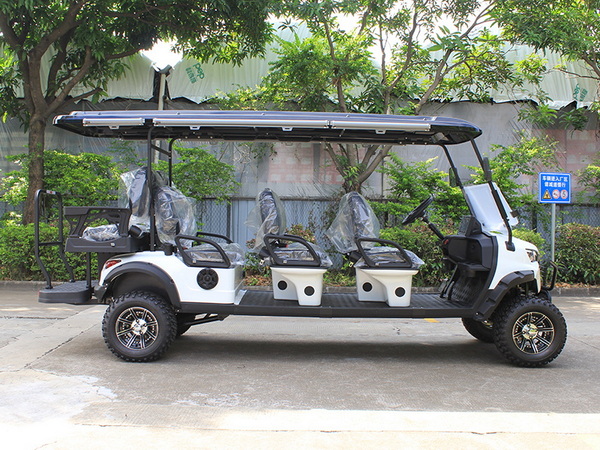
What Is a Dead Cell in a Golf Cart Battery?
A lead-acid golf cart battery is divided into multiple internal cells, and each cell contributes a fixed portion of the battery's total voltage. When one cell fails and goes “dead,” it can no longer hold or deliver charge, so the whole battery reads low voltage and drags down the entire pack.
Dead cells typically result from deep discharge, chronic under-charging, over-charging, or lack of water and maintenance in flooded batteries. In multi-battery packs, just one failed cell in one battery can cause system-wide symptoms that look like all batteries are bad, which is why targeted testing is essential.
Main Keywords and Search Intent
Target keyword: how to check for a dead cell in a golf cart battery.
Supporting long-tail keywords to use naturally throughout the article include:
- dead cell golf cart battery symptoms
- how to test golf cart batteries with a multimeter
- hydrometer test golf cart battery cell
- load test golf cart battery
- signs your golf cart battery is dying
These terms reflect user intent to diagnose, test, and fix golf cart battery issues in a practical way.
Early Warning Signs of a Dead Battery Cell
Recognizing symptoms early helps you avoid being stranded on the course or in your community.
Common performance signs:
- Reduced range: The cart cannot complete the distance it used to on a full charge.
- Sluggish acceleration: There is noticeable loss of power, especially on hills or under load.
- Frequent recharging: Batteries seem to discharge much faster than normal.
- Longer charging times: The charger runs much longer but performance does not improve.
Visual and electrical warning signs:
- One battery case appears swollen, cracked, or leaking.
- There is a strong sulfur or “rotten egg” smell around the battery compartment.
- Terminals on one battery corrode faster than others.
- One battery's voltage is significantly lower than the rest of the pack.
These signs alone do not prove a dead cell, but they show it is time for systematic testing.
Safety First: Precautions Before Testing
Golf cart batteries contain acid and can release explosive gases, so safety comes before diagnosis.
Follow these precautions:
- Wear safety glasses and chemical-resistant gloves.
- Work in a well-ventilated area, away from open flames and sparks.
- Turn the key off and set the parking brake; if possible, switch the cart to tow or maintenance mode.
- Keep baking soda and water nearby to neutralize any spilled electrolyte.
- Use only insulated tools and avoid laying metal objects across battery terminals.
Tools You Need to Check for a Dead Cell
Having the right tools lets you pinpoint a failing cell instead of guessing.
- Digital multimeter (voltmeter) – For pack voltage and individual battery voltage.
- Hydrometer (for flooded lead-acid batteries with removable caps) – To measure the specific gravity of each cell.
- Battery load tester – To simulate real-world load and reveal weak cells under stress.
- Basic hand tools (wrench or socket set) – For tightening or removing cable connections.
- Baking soda, water, and a brush – For cleaning corrosion from terminals.
- Distilled water – For topping up low electrolyte levels in serviceable batteries.
Step 1: Fully Charge Your Golf Cart Battery Pack
You must test batteries when they are fully charged, otherwise low readings may simply reflect low state of charge, not a dead cell.
- Connect the charger and allow it to complete a full, normal charging cycle.
- Let the cart sit for at least 30 to 60 minutes after charging so surface charge can stabilize before testing.
If the charger never indicates a full charge or shuts off unusually early, that is already a red flag that one or more cells may be failing.
Step 2: Visual Inspection for Obvious Cell Failure
Before touching a meter, use your eyes. Physical damage can indicate internal cell failure.
Check for:
- Bulging or swollen cases on any battery.
- Cracks, leaks, or wet spots around one particular cell cap.
- Heavy corrosion on a single battery's posts, compared with the rest of the pack.
- Melted plastic, discoloration, or burn marks around terminals.
Any battery with a broken case or leaking acid should be replaced immediately; it is unsafe to continue using it.
Step 3: Measure Pack Voltage and Individual Battery Voltage
This is your first electrical test to locate a possible dead or weak cell.
1. Set the multimeter to DC volts.
2. Measure total pack voltage across the positive terminal of the first battery and the negative terminal of the last battery.
3. Compare the reading to the nominal system rating:
- A 36 V pack should be around 38 to 38.5 V when fully charged.
- A 48 V pack should typically be above 50 V when fully charged.
Next, measure each battery individually:
- Fully charged 6 V battery: about 6.2 to 6.4 V.
- Fully charged 8 V battery: about 8.4 to 8.6 V.
- Fully charged 12 V battery: about 12.6 to 12.8 V.
If one battery reads notably lower than the others, for example 5.6 V when all other 6 V units are 6.3 V, that battery likely contains a failing or dead cell.
Step 4: Load Testing to Reveal Hidden Dead Cells
Some batteries look fine at rest but collapse under load, which strongly suggests internal cell problems.
You have two options:
- Use a dedicated battery load tester rated for golf cart batteries.
- Perform a “real-world” load test by driving the cart and checking voltages under acceleration.
Using a load tester:
1. Connect the tester's clamps to the battery terminals.
2. Apply the specified load for the recommended time.
3. Watch the voltage during the test.
- A healthy battery's voltage will drop slightly but remain near its rated level.
- A battery with a dead or weak cell will show a sharp voltage drop and may not recover.
If a single battery shows much larger voltage drop under load than the others, that battery is your prime suspect.

Step 5: Hydrometer Testing – The Most Precise Cell-Level Check
For flooded lead-acid golf cart batteries with removable caps, a hydrometer lets you test each cell's specific gravity and confirm a dead cell.
Typical steps:
1. Ensure batteries are fully charged and have rested.
2. Put on safety gear and carefully remove the vent caps from each cell.
3. Draw electrolyte into the hydrometer and read the specific gravity.
4. Compare readings across all cells in the same battery.
A healthy, fully charged cell usually reads around 1.265 specific gravity, while a cell reading significantly lower, for example below 1.225 when others are near 1.265, is likely failing. A large difference between cells in the same battery is more important than the exact number and strongly suggests a dead or dying cell.
If one cell's reading is much lower and does not improve after equalization charging, that cell is effectively dead and the battery should be replaced.
Step 6: Interpreting Results – When Is a Cell Truly Dead?
You may see a combination of symptoms and test results; use them together to decide if a cell is truly dead.
Practical Decision Rules
You likely have a dead cell when:
- One battery's standing voltage is far below the others after a full charge.
- That same battery shows a dramatic voltage drop during load testing.
- One cell in the battery has a much lower specific gravity than all other cells.
- The battery shows physical signs of damage or swelling around a specific cell location.
In contrast, you may only have general battery aging if all batteries show similarly reduced voltages and capacity, with no single outlier. In that case, replacing the entire pack may be more cost-effective.
Quick Reference Table: Voltage and Specific Gravity
Use this as a fast on-site diagnostic cheat sheet.
Battery type / cell | Healthy voltage (full charge) | Warning sign of dead cell | Typical specific gravity (full) |
6 V lead-acid | 6.2–6.4 V | ≤ 5.8 V versus other 6+ V | ~ 1.265 per cell |
8 V lead-acid | 8.4–8.6 V | ≤ 7.8 V versus other 8+ V | ~ 1.265 per cell |
12 V lead-acid | 12.6–12.8 V | ≤ 12.0 V versus other 12+ V | ~ 1.265 per cell |
Values are approximate and assume fully charged, rested batteries in good condition.
Can You Repair a Dead Cell or Must You Replace the Battery?
In conventional flooded lead-acid golf cart batteries, a dead cell cannot be repaired in a reliable, long-term way. Chemical additives and “miracle cures” may temporarily change readings but do not reverse plate damage or material loss inside the cell.
Most experts recommend replacing the entire bad battery once a dead cell is confirmed, and in many fleet situations, replacing the whole pack if batteries are of similar age. Continuing to run a pack with a dead or very weak cell puts extra load on the charger and remaining batteries, shortening their lifespan.
Preventing Future Dead Cells: Best Maintenance Practices
Good maintenance dramatically reduces the chance of premature cell failure.
Key habits to adopt:
- Keep batteries properly watered with distilled water, filling only after charging and to the recommended level.
- Clean corrosion from terminals regularly using a baking soda and water mixture.
- Avoid deep discharges; recharge the cart before batteries are completely drained.
- Store the cart in a cool, dry location and avoid high-heat environments that accelerate cell wear.
- Perform periodic voltage checks and hydrometer tests to spot early imbalance between cells.
A simple monthly inspection routine can add years of service life to a golf cart battery pack.
Case Study: Fleet Cart with One Dead Cell
A golf course fleet reported that one cart consistently slowed on hills and finished a round with much lower charge than other carts. After a full charge, technicians measured pack voltage, then tested each 8 V battery individually and found one unit reading almost 0.6 V lower than the rest.
Under load, that same battery dropped sharply while others remained within normal range, and hydrometer readings showed one cell with very low specific gravity compared to its neighbors. The team replaced that single battery, retested the pack, and the cart returned to normal performance without replacing the entire set.
When to Call a Professional
DIY testing is possible, but in several situations you should involve a qualified technician or battery specialist.
Consider professional help if:
- You are not comfortable working around acid and electrical systems.
- The pack shows complex symptoms such as random shut-offs, mixed-age batteries, or charging system faults.
- You manage multiple carts and need consistent test records and a clear replacement strategy.
A professional can perform advanced diagnostics, including capacity testing and charger analysis, to confirm whether you are dealing with one dead cell, several weak batteries, or an aging pack.
OEM-Level Support for Golf Cart Battery Systems
For golf cart brands, distributors, and fleet operators, choosing reliable electric vehicle partners is just as important as testing individual batteries. High-quality golf carts with correctly matched controllers, chargers, and wiring harnesses reduce stress on battery cells and minimize dead-cell failures over time.
As a specialized Chinese manufacturer of golf carts and other small electric vehicles, LANGQING offers OEM services for global brands and wholesalers, including tailored battery system configurations, wiring optimization, and technical documentation to support your maintenance teams. Our engineering team can collaborate with your brand to specify appropriate battery types, charging profiles, and safety margins that help prevent premature cell failure in the field.
Strong Call to Action
If you are a golf cart brand owner, importer, or wholesaler and you want fewer battery failures, higher fleet uptime, and more reliable carts for your customers, now is the time to upgrade your OEM partner. Choose a manufacturing team that understands electric drive systems from battery cell to controller and chassis.
Contact LANGQING today to discuss custom golf cart and small EV solutions, including optimized battery configurations for your target market, and let our factory-direct engineering support help your brand deliver safer, longer-lasting vehicles and a better driving experience for your end users.
Contact us today to get more information!
FAQs About Dead Cells in Golf Cart Batteries
1. What is the fastest way to tell if I have a dead cell in my golf cart battery?
The fastest method is to fully charge the pack, then measure the voltage of each battery with a multimeter and compare them. If one battery is significantly lower than the rest, this is a strong indicator of a dead or failing cell.
2. Can a golf cart still run if one battery cell is dead?
Yes, the cart may still move, but you will see reduced range, slower acceleration, and more frequent charging. Running it this way stresses the remaining batteries and shortens their life, so it is not recommended for long-term use.
3. Is it better to replace just one bad battery or the whole pack?
If your batteries are relatively new and only one has a confirmed dead cell, replacing that single unit can be reasonable. However, in older packs, replacing the entire set often provides better performance, balance, and long-term value.
4. How often should I test my golf cart batteries for weak or dead cells?
For personal carts, testing every few months or before the main season is usually enough. Fleets or rental operations should perform voltage and specific-gravity checks on a monthly schedule to catch weak cells early.
5. Do lithium golf cart batteries get dead cells in the same way as lead-acid batteries?
Lithium batteries can develop failing cells, but the failure patterns are different, and these packs rely heavily on a battery management system, or BMS. Diagnosis and repair of lithium systems should be handled by technicians familiar with lithium technology and the specific BMS used.
Citations:
1. https://golfcarts.com/how-to-check-for-a-dead-cell-in-a-golf-cart-battery/
2. https://www.puttersgolfcarts.com/blogs/putters-blogs/how-to-check-for-a-dead-cell-in-a-golf-cart-battery
3. https://golfcarts.com/how-to-test-a-golf-cart-battery/
4. https://manlybattery.com/how-to-test-golf-cart-batteries/
5. https://dcdirect.com.au/blogs/news/signs-your-golf-cart-battery-is-dying
6. https://caddiewheel.com/blogs/golf-content/top-6-golf-cart-battery-problems-to-fix-in-2026
7. https://golfcarts.com/how-to-perform-routine-maintenance-on-your-golf-cart-battery/
8. https://powerhouselithium.com/blogs/news/10-signs-your-golf-cart-batteries-need-to-be-replaced
9. https://www.golfcartgarage.com/blog/signs-of-bad-golf-cart-batteries/
10. https://jsgolfcarts.com/blog/golf-cart-not-holding-charge/


