Content Menu
● What Is A Farm Golf Cart?
● Why Use Golf Carts On Farms?
● How To Choose The Right Farm Golf Cart
>> Gas vs Electric For Farm Work
>> Core Specifications That Matter
● Farm Golf Cart vs UTV: Which Makes Sense?
>> Practical Comparison For Buyers
● Essential Farm Golf Cart Upgrades
>> 1. Suspension And Tires For Rough Terrain
>> 2. Cargo Systems And Hauling Capacity
>> 3. Winch And Recovery Equipment
>> 4. Lighting, Visibility, And Safety
>> 5. Seating, Stretch Options, And Ergonomics
● Real‑World Farm Use Scenarios
● Maintenance Tips For Long‑Lasting Farm Golf Carts
>> Battery Care (Lead‑Acid And Lithium)
>> Mechanical And Safety Checks
>> Storage And Cleaning
● Safety Best Practices On The Farm
● How OEM Manufacturers Can Stand Out
● Step‑By‑Step: How To Build Your Farm Golf Cart
● Take The Next Step With A Farm‑Ready OEM Partner
● Frequently Asked Questions About Farm Golf Carts
>> 1. Is A Farm Golf Cart Powerful Enough For Real Farm Work?
>> 2. How Much Weight Can A Farm Golf Cart Safely Carry?
>> 3. Are Electric Farm Golf Carts Reliable In Wet Or Muddy Conditions?
>> 4. How Often Should A Farm Golf Cart Battery Be Replaced?
>> 5. Can A Farm Golf Cart Be Street‑Legal?
● Citations:
A farm golf cart can become one of the most productive, low‑cost work vehicles on your property when it is selected, customized, and maintained with a clear plan. This guide explains how to turn a basic cart into a reliable farm‑ready utility vehicle and is designed to capture high‑intent search traffic for farm golf cart related searches.
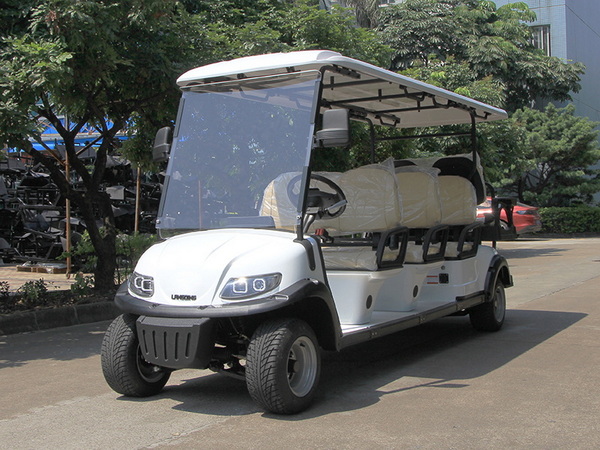
What Is A Farm Golf Cart?
A farm golf cart is a standard or lifted golf cart that has been upgraded for daily agricultural tasks such as hauling feed, towing small trailers, and accessing fields and barns. Compared with larger UTVs, well‑configured electric carts offer lower operating costs, less noise around animals, and strong versatility for small and mid‑size farms.
Why Use Golf Carts On Farms?
Farmers and ranchers increasingly use golf carts as flexible, lightweight work vehicles that fill the gap between walking and driving a full‑size truck or tractor. When properly equipped, they can:
- Handle daily livestock checks and pasture inspections without disturbing animals.
- Transport tools, fencing supplies, and irrigation parts across fields and lanes.
- Haul light to medium loads where a truck is overkill but a wheelbarrow is inefficient.
- Provide quiet hunting access and recreation on rural properties.
How To Choose The Right Farm Golf Cart
Selecting the right farm golf cart is the foundation of a safe and productive setup. The wrong base vehicle will limit payload, traction, and lifespan, no matter how many accessories are added.
Gas vs Electric For Farm Work
Both gas and electric carts can be used on farms, but each has trade‑offs that matter for different operations.
Electric farm golf cart advantages:
- Low noise, ideal around livestock, horses, and rural neighbors.
- Lower daily operating cost where electricity is cheaper than gasoline.
- Instant torque at low speeds for starting on hills and pulling loads.
Gas farm golf cart advantages:
- Fast refueling when outlets or chargers are limited.
- Better suited for continuous, all‑day use without charging breaks.
For most small and hobby farms, a modern electric farm golf cart with a quality battery pack offers the best balance of quiet operation, torque, and low maintenance.
Core Specifications That Matter
When evaluating carts or planning OEM custom builds, focus on a few critical specifications:
- Payload capacity (total weight of people plus cargo) that comfortably handles your heaviest routine loads.
- Towing capacity if you plan to pull small trailers, sprayers, or fertilizer spreaders.
- Ground clearance, which can be improved with a lift kit to reduce bottoming out on ruts and farm lanes.
- Motor and controller sized for repeated starts under load and hill work.
Farm Golf Cart vs UTV: Which Makes Sense?
When buyers compare a farm golf cart with a traditional UTV, they are really comparing cost, capability, and comfort for the work they do most often.
Practical Comparison For Buyers
Factor | Farm golf cart (electric) | UTV / side-by-side |
Typical cost | Lower purchase and operating cost. | Higher upfront cost and higher fuel spend. |
Noise level | Very quiet around animals and neighbors. | Louder engine and driveline. |
Terrain capability | Good with lift kit and off-road tires. | Excellent on steep, muddy, and rough terrain. |
Payload and hauling | Ideal for light to medium farm loads. | Better for heavy, continuous commercial loads. |
Maintenance | Fewer moving parts and simpler service. | More complex driveline and fluid service. |
Comfort and UX | Simple controls, easy access, low step-in. | More enclosed, often with cab and comfort options. |
For many small farms, a thoughtfully specced farm golf cart covers most daily tasks at a significantly lower total cost of ownership.
Essential Farm Golf Cart Upgrades
Suspension, tires, cargo systems, and recovery gear are the core upgrades that transform a standard cart into a hardworking farm golf cart. The sections below provide a complete farm golf cart upgrade roadmap that can also serve as a guide for OEM configurations.
1. Suspension And Tires For Rough Terrain
Upgrading the suspension and tires is one of the most important steps in building a farm‑ready golf cart.
- Install a lift kit to increase ground clearance and improve approach angles on rutted tracks.
- Choose all‑terrain or agricultural‑style tires to improve traction in dirt, grass, and light mud.
- Use wider wheels where possible to spread weight and reduce turf damage in pastures.
Recommended visual: a simple comparison chart or diagram showing ground clearance, tire diameter, and contact patch for a stock golf cart versus a lifted farm golf cart.
2. Cargo Systems And Hauling Capacity
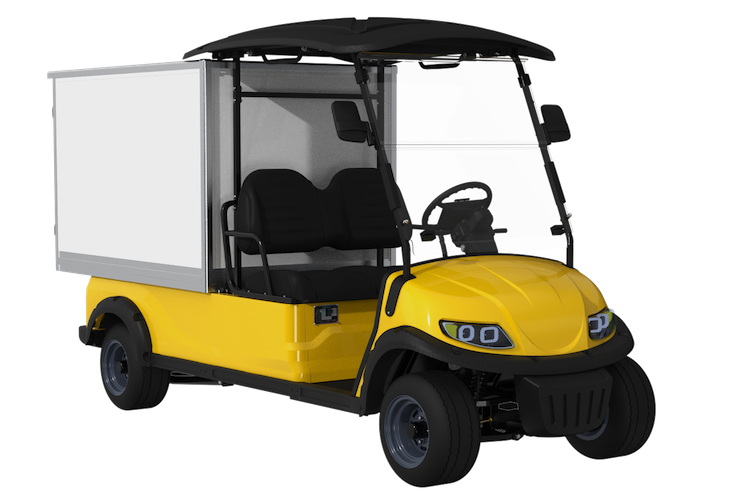
Rear cargo beds, front baskets, and cage systems make farm work easier and safer. To maximize hauling functionality, design around modular cargo zones:
- Rear cargo bed or seat‑box combo with tailgate for feed bags, hay bales, and tools.
- Front clay or utility basket for frequently accessed items like fencing pliers, gloves, and small hardware.
- Overhead racks or cage‑mounted cargo racks for lightweight but bulky items such as tarps or hoses.
For OEM offerings, define clear factory packages, for example:
- Hauling Package: reinforced rear bed, tie‑down points, and heavy‑duty springs.
- Livestock Package: rear bed plus side rails and front storage basket.
- Hunting Package: rear seat/bed combo, gun racks, front basket, and winch mount.
3. Winch And Recovery Equipment
A correctly sized and mounted winch is a powerful addition to a farm golf cart.
A winch can:
- Recover the cart when stuck in mud, snow, or wet grass.
- Assist with pulling small logs, gates, or light equipment into position.
Guidelines for winch setup:
1. Choose a winch rated comfortably above the total weight of the cart plus maximum cargo.
2. Mount it on a reinforced brush guard or cage with a dedicated winch pad.
3. Add recovery straps, shackles, and gloves in a dedicated storage box for quick access.
4. Lighting, Visibility, And Safety
For farms that operate early in the morning or late into the evening, lighting becomes a core safety feature.
- Install bright LED headlights and taillights for lane and yard visibility.
- Add front and rear work lights to illuminate pens, gates, and equipment at night.
- Use reflective tape or slow‑moving‑vehicle triangles if the cart operates near public roads.
A farm golf cart with a brush guard, LED light bars, and camo or utility bodywork shows how functional and aesthetic upgrades can work together.
5. Seating, Stretch Options, And Ergonomics
Seating layout affects how efficiently your farm team uses the cart.
- High‑back seats provide better support for long workdays over rough terrain.
- Stretch conversions and rear seat kits allow four to six people to ride or flip into a flat cargo surface.
- Add grab handles, armrests, and seatbelt mounts when carts are used on hills or by children and guests.
Real‑World Farm Use Scenarios
Concrete scenarios help readers visualize how a farm golf cart fits into daily work and also demonstrate real‑world benefits.
- Livestock management: quietly checking fences, waterers, and mineral feeders in pastures several times a day.
- Crop and irrigation checks: moving rapidly between valves, pumps, and field edges without starting a truck.
- Event and agritourism support: shuttling guests, carrying supplies, and supporting on‑farm events, tours, and farm stays.
These scenarios also open up content opportunities for long‑tail queries, such as golf cart for livestock farm or golf cart for agritourism.
Maintenance Tips For Long‑Lasting Farm Golf Carts
A farm golf cart often operates in dust, mud, and moisture, so a solid maintenance routine is essential. This section is a good place to present a structured checklist or visual maintenance calendar.
Battery Care (Lead‑Acid And Lithium)
- Charge daily after use and avoid running batteries completely empty.
- For lead‑acid batteries, check water levels regularly and clean terminals to prevent corrosion.
- Consider upgrading to a lithium battery pack for longer range, lower weight, faster charging, and reduced routine maintenance.
Mechanical And Safety Checks
- Inspect tires, lug nuts, and suspension components regularly, especially after work on rough ground.
- Test brakes and parking brake on level ground before heading into fields or slopes.
- Keep steering components greased and watch for excessive play that could worsen on rutted farm tracks.
Storage And Cleaning
- Store the cart in a dry, sheltered space to protect electronics, seat materials, and metal parts.
- Rinse off corrosive materials such as fertilizer, animal waste, or road salt and allow components to dry before storage.
Safety Best Practices On The Farm
Farm work combines uneven ground, heavy loads, and changing weather, which makes safety a key part of any farm golf cart guide.
- Train all operators on safe speeds, braking distances, and hill driving techniques.
- Never overload beyond the rated payload or towing capacity, as this reduces braking performance and steering control.
- Use seatbelts when available and keep riders seated; no one should ride on the rear bumper or stand on the side while the cart is moving.
Highlighting safety best practices builds trust and supports a more professional brand image for both OEMs and dealers.
How OEM Manufacturers Can Stand Out
As a Chinese OEM producer of farm golf carts and small electric vehicles, it is important to align product features and messaging with the actual needs of farmers and distributors.
- Offer pre‑configured farm packages with lift kits, all‑terrain tires, cargo beds, winch mounts, and LED lighting as standard.
- Emphasize durability: sealed electrical components, corrosion‑resistant frames, and high‑quality battery options.
- Provide clear English documentation, maintenance guides, and spare‑parts support for international partners.
Positioning around real farm use cases, reliability, and service will strongly differentiate your factory in a competitive global market.
Step‑By‑Step: How To Build Your Farm Golf Cart
To make this guide more actionable, use the following step‑by‑step path as a practical framework.
1. Define your primary tasks, such as hauling feed, checking livestock, hunting, or supporting agritourism.
2. Choose a base cart, gas or electric, that matches your terrain, range needs, and charging or refueling options.
3. Upgrade suspension and tires according to your soil type and weather conditions.
4. Add cargo solutions like a rear bed, front basket, and overhead rack for your most common loads.
5. Install a winch and basic recovery gear if you work in mud, snow, or wooded areas.
6. Improve lighting, visibility, and ergonomics with LEDs, work lights, high‑back seats, and safety features.
7. Set up a simple maintenance routine and a dry storage location to protect your investment.
This sequence helps farmers and property owners move from idea to complete farm golf cart without confusion.
Take The Next Step With A Farm‑Ready OEM Partner
If you are a distributor, brand owner, or fleet buyer looking for a reliable OEM supplier of farm‑ready electric golf carts, now is the time to move from research to action. Contact LANGQING's engineering and sales team to discuss tailored farm golf cart configurations, branding options, and sample orders so you can bring proven, farm‑focused vehicles to your market with confidence.
Frequently Asked Questions About Farm Golf Carts
1. Is A Farm Golf Cart Powerful Enough For Real Farm Work?
A well‑built farm golf cart with the right motor, controller, and battery pack can handle daily hauling, towing small trailers, and routine field checks for many small and medium‑sized farms. Matching the cart's specifications to realistic farm tasks is the key to long‑term performance.
2. How Much Weight Can A Farm Golf Cart Safely Carry?
Payload varies by model, but many utility‑style golf carts with reinforced frames and cargo beds are designed to handle several hundred kilograms when used within the manufacturer's rating. Always check the official payload and towing capacity and leave a safety margin.
3. Are Electric Farm Golf Carts Reliable In Wet Or Muddy Conditions?
With proper tires, lift kits, and protected electronics, electric farm golf carts perform well in damp environments and light to moderate mud. In extremely deep mud or very steep terrain, a heavier UTV or tractor may still be the better choice.
4. How Often Should A Farm Golf Cart Battery Be Replaced?
Lead‑acid battery packs typically last several years under farm use when they are correctly charged, watered, and stored. Quality lithium packs usually provide longer service life, more consistent voltage, and less daily maintenance when handled according to the manufacturer's guidelines.
5. Can A Farm Golf Cart Be Street‑Legal?
In many regions, golf carts can be made compliant as low‑speed vehicles with the addition of lights, mirrors, reflectors, and other safety equipment, but requirements vary by local law. Always check local regulations before driving a farm golf cart on public roads or in villages.
Citations:
1. https://golfcarts.com/3-tips-to-make-a-great-farm-golf-cart/
2. https://gaxcart.com/3-tips-to-make-a-great-farm-golf-cart-the-ultimate-guide/
3. https://www.hnxunhu.com/farm-golf-carts/
4. https://www.masekgolfcars.com/blog/5-surprising-ways-golf-carts-are-being-used-in-agriculture
5. https://www.gdyatian.com/How-Golf-Carts-Are-Revolutionizing-Farm-Operations-Benefits-for-Farmers-id46401436.html
6. https://www.nationwidegolfcar.com/4-creative-uses-for-your-golf-cart-beyond-the-golf-course
7. https://www.buggiesgonewild.com/showthread.php?t=111454
8. https://thegolfcartfarm.com
9. https://thecartsource.com/how-to-customize-your-golf-cart/
10. https://mygolfspy.com/news-opinion/10-ways-to-customize-your-golf-cart/


