Content Menu
● How Long Do Electric Golf Cart Batteries Last?
● Battery Lifespan by Chemistry
>> Typical Lifespan Ranges
● Runtime: How Long Does a Battery Last on One Charge?
● Key Factors That Impact Golf Cart Battery Life
● Recommended Charging Habits to Maximize Lifespan
>> Daily Charging Best Practices
● Essential Maintenance for Lead‑Acid Batteries
>> Monthly and Seasonal Tasks
● Storage, Climate, and Off‑Season Use
● Driving Habits That Protect Your Batteries
● When to Replace Your Golf Cart Batteries
● Lead‑Acid vs. Lithium: Which Lasts Longer?
>> Lifespan and Ownership Comparison
● Practical Steps to Extend Battery Life (Checklist)
● Partner With an OEM Manufacturer Focused on Battery Performance
● Call to Action: Design Longer‑Lasting Electric Golf Carts
● FAQs About Electric Golf Cart Battery Life
>> 1. How many years should golf cart batteries last?
>> 2. How far can a golf cart go on one charge?
>> 3. Do I need to charge my cart every night?
>> 4. How do I know when my golf cart batteries are bad?
>> 5. Is it worth upgrading from lead‑acid to lithium?
● Citations:
Electric golf cart batteries typically last 4–7 years, but with the right battery type, charging habits, and maintenance, many owners can safely extend lifespan toward 8–10 years or more while also maximizing range per charge. This guide explains how long golf cart batteries last, what really affects their lifespan, and practical steps to extend performance and reduce total ownership costs.
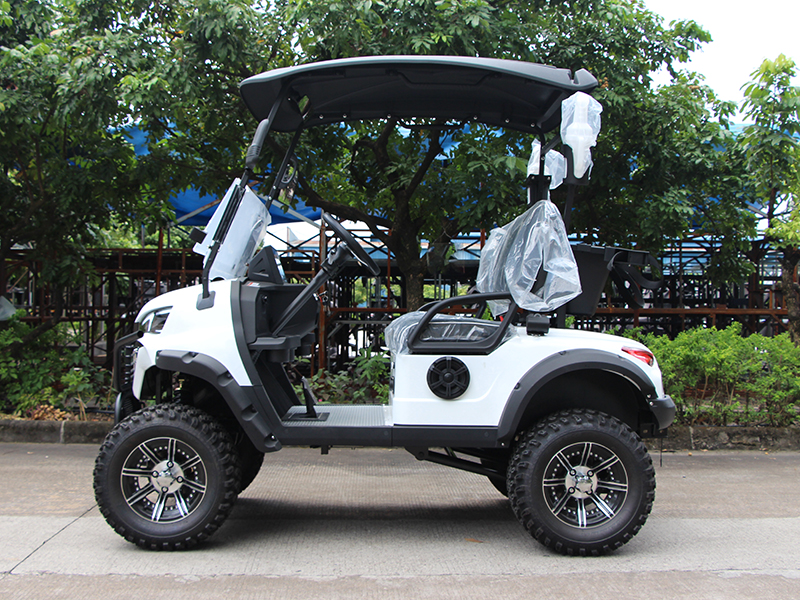
How Long Do Electric Golf Cart Batteries Last?
Most electric golf cart batteries last between 4–6 years under normal use, with well‑maintained packs often reaching 7 years or more. In terms of usage, that usually equals roughly 500–1,500 hours of operation or around 25–40 miles per full charge depending on battery type and driving conditions.
Key points:
- Lead‑acid batteries (flooded, AGM, gel) commonly deliver 4–6 years of life.
- Lithium golf cart batteries can reach 7–10+ years, and in some cases 10–15 years with optimal charging and light usage.
- Per‑charge range is often 25–40 miles for a typical golf cart battery pack, with lithium systems generally at the upper end.
For fleet operators, resorts, and course owners, understanding these averages helps forecast replacement budgets and choose the right chemistry for total cost of ownership.
Battery Lifespan by Chemistry
Different battery types age in different ways, which directly impacts lifespan, range, and maintenance workload. Choosing the right chemistry is one of the highest‑leverage decisions you can make.
Typical Lifespan Ranges
Battery type | Typical years of life | Approx. hours of use | Notes on performance |
Flooded lead-acid (FLA) | 4–6 years | 500–1,500 hours | Lowest upfront cost, needs watering and cleaning. |
AGM lead-acid | 4–6 years | 500–1,300 hours | Maintenance-reduced, better vibration resistance. |
Gel lead-acid | 5–7 years | 800–1,400 hours | Spill-proof, good for rough terrain, higher cost than FLA. |
Lithium (Li-ion) | 7–10+ years | 1,500–3,000 hours | High energy density, fast charging, premium pricing. |
LiFePO4 lithium | 8–12+ years | 1,700–3,500 hours | Very long cycle life, excellent safety profile. |
High‑quality lithium golf cart batteries often deliver thousands of charge cycles, translating to well over a decade of usable life in moderate‑use applications. For owners transitioning from lead‑acid, this usually means fewer replacements, less downtime, and more stable performance over time.
Runtime: How Long Does a Battery Last on One Charge?
Beyond total lifespan, most users care about daily runtime and range. Runtime depends on pack capacity, battery type, passenger load, terrain, and driving style.
Typical per‑charge performance:
- Lead‑acid packs: Around 25–30 miles per full charge in flat conditions with moderate load.
- Lithium packs: Commonly 30–40 miles per charge, sometimes more with optimized systems and lighter carts.
On a time basis, a fully charged battery pack often supports 4–6 hours of continuous driving, adjusted for stops, hills, and payload. Carefully sizing the battery to your real‑world route and usage pattern is essential when specifying OEM carts or retrofits.
Key Factors That Impact Golf Cart Battery Life
Battery life is not fixed; it is highly sensitive to how the cart is charged, used, and stored. Understanding these variables enables better daily decisions and more accurate fleet planning.
Major influences include:
- Charging habits: Overcharging, undercharging, and frequent deep discharges all accelerate aging.
- Maintenance quality: For lead‑acid batteries, ignoring water levels and corrosion quickly shortens lifespan.
- Load and terrain: Heavy payloads, steep gradients, and rough surfaces dramatically increase current draw and heat.
- Storage conditions: High temperatures and long idle periods at low state of charge are especially harmful.
Well‑managed fleets that control these variables consistently see batteries last toward the upper end of the typical range.
Recommended Charging Habits to Maximize Lifespan
Good charging discipline is one of the most effective ways to keep electric golf cart batteries healthy for years. Modern chargers and battery management systems make this easier, but usage patterns still matter.
Daily Charging Best Practices
1. Charge after each day's use
- Plug in at the end of the day, even after short runs, to avoid repeated low‑state‑of‑charge operation.
2. Avoid deep discharges
- Try not to let lead‑acid batteries drop below about 20–30 percent remaining charge on a regular basis.
- For lithium packs that will sit unused, parking them around 50–60 percent state of charge is often recommended for long‑term health.
3. Let the charge cycle finish
- Interrupting charge cycles can reduce usable capacity and shorten service life.
- Use a matched charger designed for your specific voltage and chemistry, such as 36 V or 48 V, lithium or lead‑acid.
4. Avoid chronic overcharging
- Quality chargers shut off automatically, but older units may require manual disconnection once full.
- Charging in a well‑ventilated area is important for lead‑acid packs due to gas release.
For OEM buyers and fleet customers, pairing batteries with a properly specified smart charger is a critical design decision, not an accessory choice.
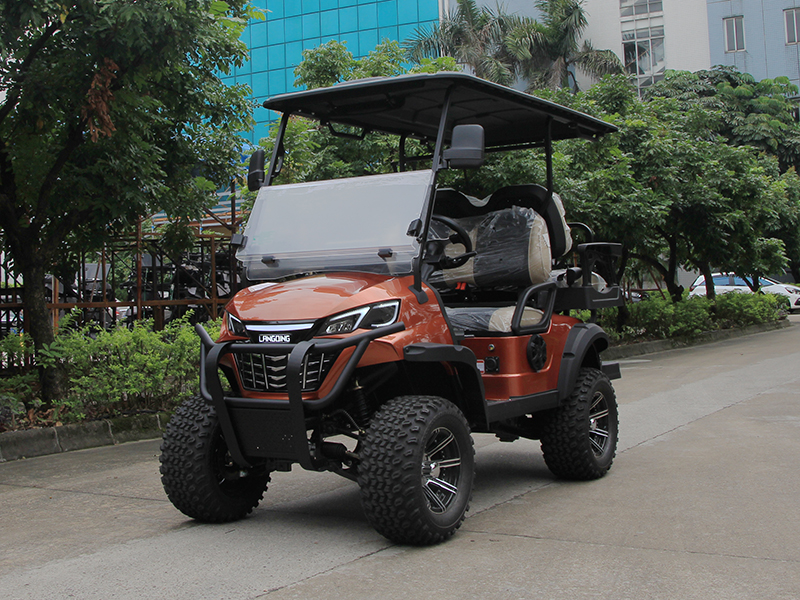
Essential Maintenance for Lead‑Acid Batteries
Lead‑acid batteries still power many golf carts worldwide because of their low initial cost and proven reliability. However, they need routine maintenance to achieve full lifespan.
Monthly and Seasonal Tasks
1- Check and top up water levels
- For flooded lead‑acid batteries, inspect electrolyte levels monthly and add distilled water to just cover the plates when the battery is fully charged.
2- Clean terminals and connectors
- Corrosion increases resistance and heat, reducing efficiency and life; use appropriate cleaning solutions and a wire brush as needed.
3- Inspect cases and cables
- Look for cracks, leaks, bulging, or hot spots on cables after use; these can signal internal damage or loose connections.
For carts in humid or coastal environments, regular cleaning is even more important because corrosion risk is higher. Well‑documented maintenance schedules also help retain warranty coverage on many commercial packs.
Storage, Climate, and Off‑Season Use
How and where a golf cart is stored between uses can significantly affect battery longevity. This is especially relevant for resorts, rental fleets, and seasonal facilities.
Best‑practice guidelines:
- Store fully charged lead‑acid batteries in a cool, dry place, and avoid leaving packs at zero percent for extended periods.
- For lithium packs, long idle periods are often best at around 50–60 percent state of charge, with the management system and charger handling occasional balancing.
- Avoid extreme heat and direct sun, which accelerate aging and can lead to gas release or thermal stress.
Even in off‑season, taking short rides periodically keeps batteries active and helps prevent capacity loss, particularly in lead‑acid packs.
Driving Habits That Protect Your Batteries
Battery lifespan is closely tied to how the cart is driven, not just how it is charged. Smooth, planned driving reduces current spikes and heat, which are key drivers of degradation.
Practical tips:
- Avoid frequent full‑throttle starts and hard braking to reduce peak current draw.
- Limit excessive payload and towing, especially on hilly routes, to prevent high sustained currents that accelerate wear.
- Plan routes to minimize steep climbs where possible or split heavily loaded trips into shorter stages.
For commercial fleets, training drivers on energy‑aware operation often delivers measurable gains in both daily range and overall battery life.
When to Replace Your Golf Cart Batteries
Recognizing early warning signs of battery end‑of‑life helps avoid unexpected downtime. Proactive replacement is especially important for fleets that must maintain uptime during peak seasons.
Common indicators include:
- Noticeable loss of range, such as carts that previously completed an 18‑hole round or full work shift now requiring mid‑day charging.
- Longer charging times, hotter batteries during charge, or chargers that never seem to reach full status.
- Visible damage, including swollen cases, leaks, or cracked housings, which require immediate replacement for safety reasons.
Measuring pack voltage under load, tracking operating hours, and logging charge cycles gives fleets objective data for replacement planning.
Lead‑Acid vs. Lithium: Which Lasts Longer?
For many buyers, the decision now comes down to traditional lead‑acid versus modern lithium systems. The trade‑offs involve lifespan, maintenance, upfront price, and total cost of ownership.
Lifespan and Ownership Comparison
Aspect | Lead-acid packs | Lithium packs |
Typical lifespan | 4–6 years | 7–10+ years, often up to 10–15 in light duty |
Maintenance | Regular watering and cleaning required | Virtually maintenance-free, managed by control systems |
Per-charge range | Often 25–30 miles | Often 30–40 miles |
Weight | Heavier, reduces efficiency | Lighter for the same capacity |
Upfront cost | Lower entry price | Higher initial investment |
In many fleet and resort applications, lithium's long life, higher usable capacity, and reduced maintenance yield a lower cost per mile over the system's lifespan despite higher initial cost. Manufacturers and upfitters can also reclaim payload or increase range by exploiting lithium's higher energy density.
Practical Steps to Extend Battery Life (Checklist)
The following action checklist summarizes the most impactful behaviors to keep your batteries performing longer.
1. Charge properly
- Charge after each day's use.
- Avoid deep discharges and repeated last‑minute top‑ups for lead‑acid packs.
2. Maintain regularly for lead‑acid
- Check water monthly and use only distilled water.
- Clean terminals and verify cable tightness to manufacturer specification.
3. Store smart
- Keep carts in cool, dry conditions and never store with dead batteries.
- For long idle periods with lithium, maintain around 50–60 percent state of charge.
4. Drive efficiently
- Avoid sudden acceleration, hard braking, and overloading.
- Plan routes to reduce unnecessary climbs and detours.
Embedding these steps in driver training and maintenance procedures is one of the most cost‑effective ways to extend battery service life across an entire fleet.
Partner With an OEM Manufacturer Focused on Battery Performance
For brands, distributors, and fleet operators, the battery system is the heart of an electric golf cart, directly determining operating cost, uptime, and user satisfaction. Choosing an OEM partner that designs carts around appropriate battery chemistries and charging systems is crucial.
A specialized factory can:
- Help you specify the right battery type and capacity for your target market and usage scenario.
- Integrate matched chargers, smart management systems, and optimized wiring to protect battery health and simplify maintenance for end users.
- Provide documentation, labeling, and after‑sales guidance so your customers clearly understand how to care for their packs and achieve maximum lifespan.
If your business is planning a new golf cart line, upgrading an existing fleet, or transitioning from lead‑acid to lithium, collaborating closely with a dedicated OEM partner can shorten development time while improving long‑term reliability.
Call to Action: Design Longer‑Lasting Electric Golf Carts
If you are a brand owner, wholesaler, or manufacturer looking to offer electric golf carts with longer‑lasting batteries, more range, and lower operating costs, now is the time to optimize your battery strategy. Share your target markets, preferred battery chemistry, voltage platform, and annual volume requirements, and work with a professional OEM golf cart factory to engineer the right battery system, charger configuration, and vehicle platform for your customers. Take the next step today and turn reliable battery performance into a real competitive advantage for your golf cart business.
Contact us to get more information!
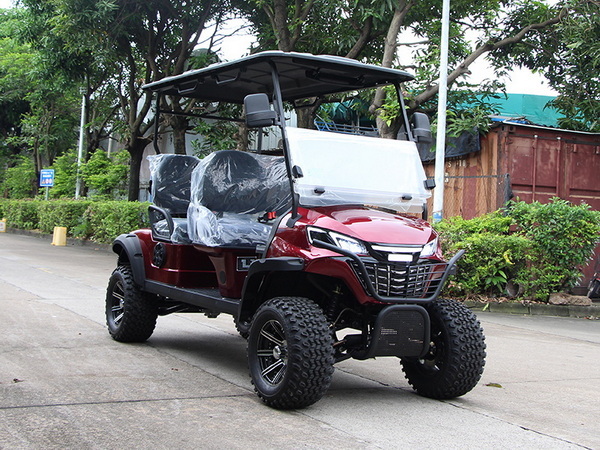
FAQs About Electric Golf Cart Battery Life
1. How many years should golf cart batteries last?
Well‑maintained golf cart batteries typically last 4–6 years, while premium lithium and LiFePO4 systems can often reach 7–10 years or more. In light‑duty and well‑controlled environments, some lithium packs may extend into the 10–12 year range.
2. How far can a golf cart go on one charge?
Most carts travel roughly 25–40 miles per full charge. Lead‑acid packs usually provide range toward the lower end of this spectrum, while lithium systems more often reach the upper end when properly sized and maintained.
3. Do I need to charge my cart every night?
For regular use, charging after each day's operation is recommended to avoid deep discharges and keep batteries conditioned, especially with lead‑acid packs. High‑quality chargers are designed to stop charging automatically once the batteries are full.
4. How do I know when my golf cart batteries are bad?
Typical signs include reduced range, slower acceleration, longer charging times, and excessive heat while charging. Visible problems such as leaks, cracked cases, or swollen housings indicate that batteries should be tested and replaced as soon as possible.
5. Is it worth upgrading from lead‑acid to lithium?
For many applications, upgrading to lithium offers longer lifespan, higher usable capacity, faster charging, and minimal maintenance. Although the upfront cost is higher, the reduction in replacements and maintenance often lowers total cost of ownership over the life of the cart.
Citations:
1. https://hartvillegolfcarts.com/how-long-do-electric-golf-cart-batteries-last/
2. https://golfcartscypress.com/how-to-extend-the-battery-life-of-your-electric-golf-cart/
3. https://leochlithium.us/golf-cart-battery-maintenance-a-deep-guide-to-extend-lifespan-performance-and-safety/
4. https://ecotreelithium.co.uk/news/golf-cart-battery-lifespan/
5. https://www.lakeeriegolfcars.com/blog/-5-maintenance-tips-to-extend-the-life-of-your-golf-cart--95268
6. https://www.renogy.com/blogs/buyers-guide/how-long-do-golf-cart-batteries-last
7. https://symbobattery.com/blog/how-long-does-a-lithium-golf-cart-battery-last
8. https://www.brownsgolfcarts.net/blog/essential-tips-for-maintaining-your-electric-golf-cart-battery--97219
9. https://kuruibms.com/blog/Golf-Cart-Lithium-Battery-Tips.html


