Content Menu
● What Is a Golf Cart DUI?
● Why Golf Cart DUIs Are Taken Seriously
● How DUI Laws Typically Apply to Golf Carts
● Legal Consequences of a Golf Cart DUI
● Common Misconceptions About Golf Cart DUIs
● Real-World Situations That Trigger Golf Cart DUIs
● How Law Enforcement Evaluates Golf Cart DUI
● Practical Steps to Avoid a Golf Cart DUI
● Safer Golf Cart Design and Technology
● Compliance Tips for Communities, Resorts, and Fleet Operators
● Why Responsible Brands and OEMs Emphasize DUI Awareness
● Take the Next Step Toward Safer, Smarter Golf Cart Fleets
● Frequently Asked Questions About Golf Cart DUIs
>> 1. Can you actually get a DUI on a golf cart?
>> 2. Do DUI laws apply if I drive only inside a gated community?
>> 3. Are penalties for a golf cart DUI lighter than for a normal DUI?
>> 4. What if my golf cart is not street legal or registered?
>> 5. How can fleet owners reduce the risk of golf cart DUIs?
● Citations:
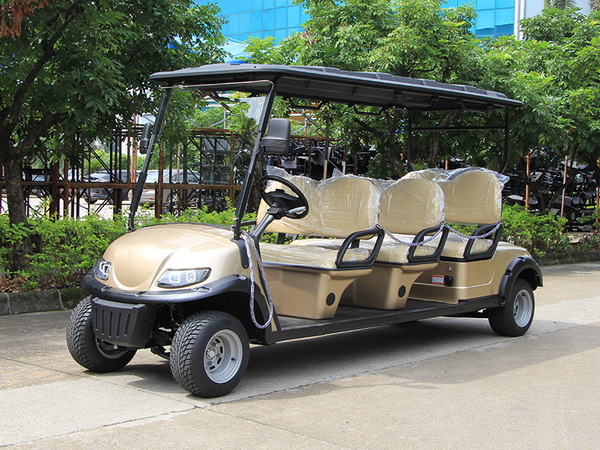
Driving a golf cart after a few drinks can seem harmless, but DUI laws apply to golf carts in many of the same ways they apply to cars. In many states, a golf cart is legally treated as a motor vehicle, so an impaired ride around the neighborhood, resort, or golf community can lead to fines, license suspension, and even jail time.
What Is a Golf Cart DUI?
Many jurisdictions define a DUI as operating any motor vehicle while impaired by alcohol or drugs, not just a car on a highway. Because a golf cart is powered by something other than muscular power and used to transport people or property, it often falls under this definition.
Key points:
- Operating a golf cart with a blood alcohol concentration (BAC) at or above the legal limit (commonly 0.08%) can result in a DUI charge.
- Impairment from illegal drugs or prescription medications can also trigger DUI laws, even if BAC is below the limit.
- DUI rules can apply on both public roads and some private properties, depending on state law.
For golf cart owners and fleet operators, “it's just a cart” is not a legal defense.
Why Golf Cart DUIs Are Taken Seriously
Golf carts feel slow and friendly, but combining low-speed vehicles with impaired driving creates real safety risks. Law enforcement and regulators are responding because carts are no longer limited to quiet fairways.
Key risks:
- Lack of crash protection: Most golf carts have open sides, no airbags, and minimal structural protection, increasing injury risk in rollovers or collisions.
- Mixed-traffic environments: Many carts now share roads with cars, delivery vehicles, and cyclists, especially in resort towns and planned communities.
- Passenger behavior: Standing passengers, unsecured children, or riders sitting on the back can be thrown out easily when a driver is impaired and over-corrects.
A single poor decision with a golf cart can result in serious injuries, liability claims, and long-term legal consequences.
How DUI Laws Typically Apply to Golf Carts
While exact rules vary by state, several legal patterns show up repeatedly in golf cart DUI cases. For drivers and operators, understanding these patterns makes it easier to stay compliant.
Common legal principles:
- Vehicle status: If a golf cart or low-speed vehicle (LSV) meets the local definition of a motor vehicle or neighborhood electric vehicle (NEV), DUI laws almost always apply.
- Location: Some states extend DUI enforcement to certain private areas (such as gated communities or private golf courses) if the public has access, or if statutes explicitly cover any property.
- Standard of impairment: The same BAC thresholds and impairment tests used for cars (field sobriety tests, breath tests) are typically used for golf carts.
Even when local rules differ, the legal trend is clear: if you drink and drive a golf cart, expect to be treated like any other impaired driver.
Legal Consequences of a Golf Cart DUI
Many drivers assume a golf cart DUI will be a minor ticket, but penalties often mirror those for conventional vehicles. The impact can extend far beyond the day of the arrest.
Possible consequences can include:
- Fines: Ranging from several hundred to several thousand dollars, depending on the state and prior offenses.
- Jail time: First-time offenders may face up to several months in jail, while repeat offenses can bring significantly longer sentences.
- License suspension: Loss or restriction of driving privileges, often affecting all vehicles, not just golf carts.
- Probation and programs: Mandatory DUI classes, community service, or substance-abuse treatment.
- Long-term impact: Higher insurance premiums, employment complications, and a permanent criminal record.
In some jurisdictions, certain offenders must install an ignition interlock device, which can also be required on golf carts in specific situations.
Common Misconceptions About Golf Cart DUIs
Many golf cart DUI cases start with simple misunderstandings about the law. Clearing up these myths can prevent costly mistakes for both individual drivers and fleet operators.
Frequent myths and the reality:
- “I'm on private property, so DUI laws don't apply.”
In some states, DUI statutes explicitly extend to private roads or gated communities, especially where residents or guests have access.
- “It's low speed, so it's safer.”
Serious injuries have occurred at golf cart speeds due to rollovers, ejections, or collisions with larger vehicles.
- “The police won't bother with a golf cart.”
Officers can and do stop carts for erratic driving, traffic violations, or equipment problems, then proceed with full DUI investigations.
The perception of low risk is one of the biggest reasons drivers accidentally put themselves in serious legal jeopardy.
Real-World Situations That Trigger Golf Cart DUIs
Understanding how DUI arrests happen helps owners educate family members, renters, and guests. Many incidents start as everyday situations that feel informal or harmless.
Typical scenarios:
- Resort or vacation community rides
A driver leaves a clubhouse bar and ferries friends back to rental villas in a community where carts share roads with cars.
- Neighborhood events and parties
Residents use golf carts to shuttle guests during holiday gatherings, with alcohol routinely on board.
- Golf course shortcuts
After a tournament where alcohol was served, a player drives from the course to nearby streets in an unregistered or non-compliant cart.
In each case, impaired driving patterns, such as swerving or ignoring signs, can quickly attract attention from law enforcement.
How Law Enforcement Evaluates Golf Cart DUI
Once an officer observes concerning behavior, the process looks very similar to a car stop. Golf cart drivers are often surprised by how formal and serious the process becomes.
Officers may:
- Stop the cart for traffic violations, erratic operation, or visible equipment issues such as missing lights.
- Observe driver behavior, including slurred speech, odor of alcohol, or unsteady movements.
- Conduct field sobriety tests and use portable or station-based breathalyzers to determine BAC.
If impairment is suspected, a golf cart driver can be handcuffed, transported, charged, and prosecuted in the same manner as any other DUI suspect.
Practical Steps to Avoid a Golf Cart DUI
Preventing a golf cart DUI is primarily about planning and policy, especially for communities, rental operators, and fleet owners. Simple, proactive measures can significantly reduce the risk of incidents.
Actionable steps:
- Designate a sober driver
Treat golf carts like cars: always assign someone who will remain alcohol-free when carts are in use.
- Set internal rules
Communities and resorts can adopt clear rules on who may drive, where carts are allowed, and how late they can operate.
- Train drivers and staff
Provide brief safety orientations highlighting that DUI rules apply to carts, including simple examples of penalties.
- Control keys and access
Keep keys or key cards in locked stations and assign them only to authorized users.
- Maintain vehicles properly
Working lights, reflectors, mirrors, and tires reduce both crash risk and the likelihood of being stopped for avoidable violations.
By embedding these practices into daily operations, fleet owners dramatically reduce legal risk and protect both their customers and their brands.
Safer Golf Cart Design and Technology
Vehicle design can greatly improve safety when combined with responsible behavior. Modern electric golf carts increasingly integrate features that help prevent or mitigate DUI-related incidents.
Valuable safety-oriented features include:
- Improved lighting and visibility: Bright LED headlights, taillights, turn signals, and reflective accents make carts more visible in low light.
- Enhanced braking and stability: Better suspension, a low center of gravity, and reliable braking systems help drivers maintain control.
- Seat belts and passenger restraints: These reduce the risk of ejection during sudden maneuvers or collisions.
Forward-looking manufacturers also focus on intuitive controls and ergonomic layouts to reduce driver distraction and fatigue, especially on longer routes in neighborhoods or commercial environments.
Compliance Tips for Communities, Resorts, and Fleet Operators
For businesses and property managers, golf cart policies should be as deliberate as car policies. Structured rules and documentation show guests and regulators that safety is taken seriously.
Recommended practices:
- Documented policy: Create written rules covering who may operate carts, where they can drive, speed limits, passenger limits, and zero-tolerance expectations for impaired driving.
- Signage and reminders: Post clear signs at charging stations, parking areas, and clubhouses reminding users that DUI laws apply to golf carts.
- Incident logs: Keep records of accidents, near-misses, and complaints to identify patterns and refine safety procedures.
Well-managed fleets not only reduce legal exposure but also position themselves as responsible partners for families, guests, and local authorities.
Why Responsible Brands and OEMs Emphasize DUI Awareness
As golf carts and other compact electric vehicles move beyond golf courses into daily transportation, tourism, and commercial logistics, manufacturers and OEM partners play a growing role in user education. Safety is no longer just a local policy issue but part of product strategy.
Leading brands increasingly:
- Integrate safety-focused design and clear labeling into carts destined for neighborhoods, resorts, and campuses.
- Provide guides, decals, and digital content explaining that impaired driving is unsafe and illegal, even at golf cart speeds.
- Collaborate with distributors and fleet owners on training, maintenance, and policy templates that highlight DUI risk and prevention.
By aligning engineering, education, and after-sale support, responsible OEM partners help their clients operate safer fleets and protect their reputations.
Take the Next Step Toward Safer, Smarter Golf Cart Fleets
Golf cart DUI laws are getting stricter as carts move from fairways onto public roads, resort streets, and neighborhood lanes. For communities, resorts, rental fleets, and brands, ignoring this shift means accepting unnecessary legal and safety risk.
If your organization is planning to upgrade or expand its golf cart fleet, or to launch an OEM program for modern electric carts, now is the right time to strengthen your safety strategy. Review your rules, refresh your driver training, and choose vehicles engineered for stability, visibility, and passenger protection.
To build a safer, more compliant fleet with electric golf carts and compact vehicles that support your brand image, get in touch with a professional OEM partner today and discuss tailored solutions for your routes, usage scenarios, and local regulations.
Contact us to get more information!
Frequently Asked Questions About Golf Cart DUIs
1. Can you actually get a DUI on a golf cart?
Yes. In many states, golf carts are treated as motor vehicles for DUI purposes, so driving one while impaired can lead to the same type of charge that applies when driving a car. Golf cart drivers can face arrest, fines, and long-term consequences if they operate while under the influence.
2. Do DUI laws apply if I drive only inside a gated community?
Often they do. Some jurisdictions extend DUI laws to private roads and gated communities, especially where residents, guests, or the public have access. Local definitions of “roadway” or “premises” can be broad, so relying on gates for protection from DUI enforcement is risky.
3. Are penalties for a golf cart DUI lighter than for a normal DUI?
Usually not. Fines, potential jail time, license suspension, and mandatory programs for a golf cart DUI frequently mirror those for a traditional DUI involving a car. In some cases, courts may also consider the presence of passengers or children as aggravating factors.
4. What if my golf cart is not street legal or registered?
If it meets the legal definition of a vehicle and is being operated in a place where DUI laws apply, you can still face DUI charges. In addition, you may receive citations for equipment, registration, or insurance violations, which further increase the cost of a single incident.
5. How can fleet owners reduce the risk of golf cart DUIs?
Fleet owners can reduce risk by enforcing a zero-tolerance policy on impaired driving, restricting access to carts, and training staff and renters on safety expectations. Choosing vehicles with strong safety features, such as proper lighting and seat belts, and maintaining clear signage all support safer day-to-day operations.
Citations:
1. https://evolutionelectricvehicle.com/why-golf-cart-dui-laws-matter-more-than-you-think/
2. https://www.defendyourvolusiacase.com/criminal-defense-blog/2025/march/can-you-get-a-dui-on-a-golf-cart/
3. https://taraelectricvehicles.com/blog/2025/05/19/can-you-get-a-dui-when-driving-a-golf-cart-what-you-need-to-know/
4. https://www.muscalaw.com/blog/can-you-get-dui-driving-golf-cart-gated-community-florida
5. https://revengegolfcartparts.com/state-golf-cart-laws/
6. https://www.thetitanlaw.com/blog/2025/05/can-you-get-a-dui-while-in-a-golf-cart/
7. https://oc-duilawyer.com/dui-golf-carts-electric-bikes-motorized-bicylces/
8. https://evolutionelectricvehicle.com/evolutions-approach-to-golf-cart-child-safety/
9. https://evolutionelectricvehicle.com/beyond-the-18th-hole-evolution-and-the-rise-of-the-everyday-golf-cart/
10. https://evolutionelectricvehicle.com/why-evolution-golf-carts-are-leading-the-future-of-family-transportation/


