Content Menu
● What This Guide Covers
● Do You Need a License to Drive a Golf Cart?
● Golf Carts vs Low-Speed Vehicles (LSVs)
>> What Is a Golf Cart?
>> What Is a Low-Speed Vehicle (LSV)?
● Public Roads vs Private Property
>> Driving on Public Roads
>> Driving on Private Property
● Typical State-Level Rule Patterns
● General Legal Requirements to Drive a Golf Cart
>> Driver's License
>> Minimum Age Requirements
>> Registration and License Plates
>> Insurance Requirements
● Safety Equipment and Street-Legal Modifications
● Practical Safety Tips for Everyday Golf Cart Driving
● Step-by-Step Checklist Before You Drive
● Communities, Resorts, and Fleet Applications
● Summary Table: When Is a License Typically Required?
● Clear Answer and Key Takeaways
● OEM and Fleet Solutions for Safe, Compliant Golf Carts
● Final Call to Action
● Frequently Asked Questions (FAQ)
>> FAQ 1. Can you drive a golf cart without a license on a golf course?
>> FAQ 2. What age can you drive a golf cart on public roads?
>> FAQ 3. Do golf carts need insurance?
>> FAQ 4. Can a golf cart get a DUI?
>> FAQ 5. How do I make my golf cart street-legal?
● Citations:
You generally need a valid driver's license to drive a golf cart or low-speed vehicle (LSV) on public roads, but you usually do not need a license if you operate the cart only on private property and follow local rules and safety requirements. Exact regulations depend on your state, your city, and whether your vehicle is classified as a standard golf cart or as an LSV.
What This Guide Covers
This guide is optimized for the main keyword “Do you need a license to drive a golf cart?” and related long‑tail keywords such as “golf cart license requirements,” “street-legal golf cart laws,” and “golf cart age and insurance rules.” It is designed for golf cart owners, community managers, fleet operators, and distributors who need a clear, updated, and practical understanding of how licensing rules affect real-world golf cart use.
You will learn:
- When a driver's license is required for golf cart use.
- How rules differ between public roads and private property.
- The legal meaning of golf cart vs low-speed vehicle (LSV).
- Typical age limits, registration, and insurance requirements.
- Practical safety tips and a clear checklist before you drive.
Do You Need a License to Drive a Golf Cart?
There is no single global answer to this question, because golf cart laws are set at the state and local level. However, most regulations in the United States follow a similar pattern that you can use as a baseline.
In general:
- On public roads, a valid driver's license is usually required to operate a golf cart or LSV.
- On private property, a license is often not required, as long as the cart stays off public streets and the property owner's rules are followed.
- Local exceptions can allow younger or unlicensed drivers in specific zones or under adult supervision, but these are special cases and should never be assumed.
If you are unsure, the safest approach is to assume that a license is required on any public street and to confirm requirements with your state's department of motor vehicles (DMV) or local authorities.
Golf Carts vs Low-Speed Vehicles (LSVs)
Understanding how your vehicle is classified is critical, because license and equipment rules often depend on whether it is legally a golf cart or an LSV.
What Is a Golf Cart?
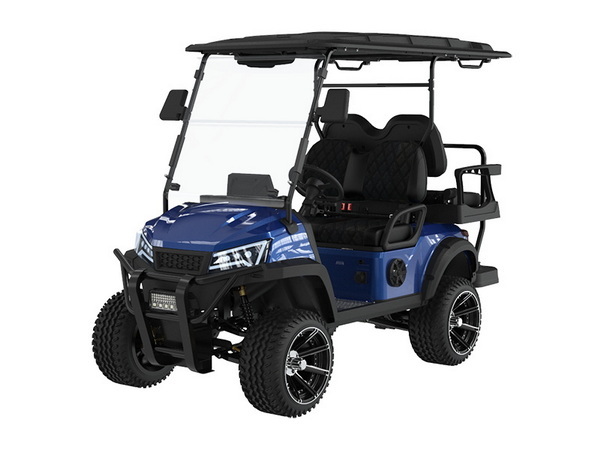
A golf cart is a compact motorized vehicle designed primarily for short-distance travel on golf courses, resorts, campuses, or private properties. Standard golf carts commonly carry two to eight passengers and reach top speeds around 15–20 mph, depending on the model and configuration.
In their factory configuration, many golf carts are not street-legal. They often lack essential safety equipment required for road use, such as turn signals, mirrors, seat belts, and a windshield, and they may not meet the performance standards set for LSVs.
What Is a Low-Speed Vehicle (LSV)?
An LSV is a specific legal category that typically covers four-wheeled vehicles capable of speeds in the 20–25 mph range. These vehicles are intended for use on roads with lower speed limits and are regulated more like small cars than like course-only carts.
To be considered street-legal, an LSV usually must have:
- Headlights, taillights, and brake lights.
- Turn signals.
- Rearview and sometimes side mirrors.
- A windshield.
- Seat belts for each seating position.
- A unique vehicle identification number (VIN) and other compliance labels.
Once your vehicle falls into the LSV category, it usually needs registration, insurance, and a licensed driver, just like a conventional passenger vehicle.
If you modify a golf cart to go faster and add safety equipment, your local DMV may classify it as an LSV, which can significantly change your legal responsibilities.
Public Roads vs Private Property
Whether you need a license often depends less on what you drive and more on where you drive it.
Driving on Public Roads
On public roads, golf carts and LSVs share space with cars, trucks, cyclists, and pedestrians. Laws are stricter because the risk and speed environment are higher.
Typical requirements include:
- A valid driver's license for the operator.
- Use limited to roads with relatively low speed limits, often between 25 and 35 mph.
- Compliance with local ordinances that define where carts are permitted, such as designated golf cart zones or neighborhood streets.
- For many areas, the cart must meet LSV or street-legal standards, including lights, mirrors, seat belts, and other safety equipment.
Some states and municipalities require additional permits or restrict golf carts to specific neighborhoods, resort zones, or areas near golf courses.
Driving on Private Property
On private property, rules are usually more flexible, but they still exist and are important to understand.
Common patterns include:
- No official driver's license requirement if the cart is operated exclusively on private property, such as a golf course, resort, farm, or private estate.
- Age limits or supervision rules implemented by property owners, homeowners associations (HOAs), schools, or resort management.
- Internal safety policies and fleet procedures for commercial properties, especially where guests, employees, or contractors operate carts.
Even without formal licensing requirements, treating the cart as a real vehicle, not a toy, is essential to avoid injuries and liability.
Typical State-Level Rule Patterns
While every state and city has its own rules, several common patterns can help you anticipate what to expect.
Examples of typical approaches include:
- In some states, golf carts are allowed on roads with speed limits of 25 mph or less, usually near golf courses or in planned communities. Local permits or designated “golf cart zones” may apply.
- States with large retirement or resort communities often have detailed rules for cart use on neighborhood streets, with different standards for unmodified carts versus LSVs that exceed certain speed thresholds.
- In other states, cities and counties make the final decisions about where carts can be driven, especially on roads with limits of 35 mph or lower, and they may require lights, reflectors, mirrors, and insurance for any cart on public roads.
Because laws are updated on a regular basis, always confirm the latest requirements on your state government or city website before planning new routes.
General Legal Requirements to Drive a Golf Cart
Even though details vary by location, several recurring legal requirements appear in many jurisdictions worldwide.
Driver's License
Most regions require a valid driver's license to operate a golf cart or LSV on public roads. Some areas allow supervised minors or individuals with permits in specific zones, but these exceptions are usually clearly defined and limited.
In a few communities designed specifically for golf carts, there may be more flexible rules. However, even in those areas, the safest assumption is that a license is required when you share the road with standard motor vehicles.
Minimum Age Requirements
Minimum age requirements for driving a golf cart differ by state or country and often fall between 12 and 18 years. A common pattern is to require drivers to be at least 16 years old for public-road use, matching ordinary driver's license ages.
On private property, younger users may operate carts under adult supervision, but parents and guardians can be held responsible for any damage or injuries.
Registration and License Plates
If a cart is street-legal, many jurisdictions require the following:
- Vehicle registration or similar documentation.
- Display of a license plate or identification number.
- Payment of registration or road-use fees.
Unmodified carts that stay exclusively on private property often do not require formal registration, but this varies, so it is important to verify with local authorities.
Insurance Requirements
Insurance obligations also vary by location and by how the cart is used.
Typical expectations include:
- Liability insurance for carts used on public roads, especially when classified as LSVs.
- Additional coverage for commercial or fleet use, such as shuttle carts, security carts, or utility vehicles.
- Optional but strongly recommended coverage for private-property use to protect against injuries and property damage.
For businesses and communities operating multiple carts, fleet policies tailored to their use cases are often the most efficient and cost-effective option.
Safety Equipment and Street-Legal Modifications
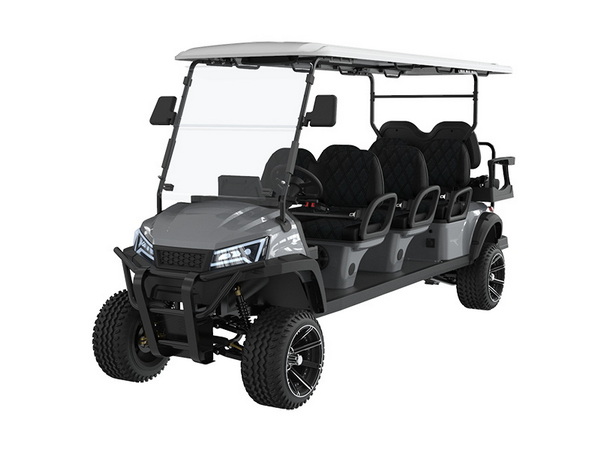
To move from a course-only cart to a street-legal vehicle, you usually need to upgrade equipment to meet safety and regulatory standards.
Commonly required or recommended items include:
- Headlights, taillights, and brake lights for visibility at all hours.
- Turn signals for clear communication with other road users.
- Rearview and side mirrors to allow safe lane changes and backing.
- Seat belts for every passenger seat.
- A sturdy windshield, sometimes with wipers depending on local rules.
- Reflectors and a horn for additional visibility and warning capability.
Many jurisdictions also specify a minimum and maximum speed range for street-legal LSVs. If your vehicle cannot reach the minimum speed or exceeds the allowed maximum, it may not be legal to operate on certain roads, even with full safety equipment.
Practical Safety Tips for Everyday Golf Cart Driving
Beyond legal requirements, adopting best practices for safety will significantly reduce the risk of accidents and injuries.
Important habits include:
- Obey posted speed limits and slow down on curves, hills, and in crowded areas.
- Never overload the cart with more passengers or cargo than it is designed to carry.
- Prohibit passengers from standing on bumpers, side steps, or grabbing onto the outside of the vehicle while it is moving.
- Never drive under the influence of alcohol or drugs, as many jurisdictions treat golf cart DUIs similarly to car DUIs.
- Always ensure everyone is seated, with seat belts fastened if available, and keep arms and legs inside the vehicle.
- Use lights and reflective gear during low-visibility conditions or whenever you drive at dawn, dusk, or night.
Treating your golf cart as a real vehicle and not a toy is the single most effective way to prevent serious accidents.
Step-by-Step Checklist Before You Drive
Use this quick checklist before each ride to keep your cart compliant and safe.
1. Confirm where you will drive.
- Will you be on private property only, or will you use public roads?
- Review your state and local rules for golf carts and LSVs, especially if using new routes.
2. Verify driver eligibility.
- Make sure the driver has a valid license if required for public-road use.
- Confirm that all potential drivers meet local minimum age requirements and any community rules.
3. Inspect vehicle equipment.
- Check steering, brakes, tires, and battery or fuel level.
- Confirm that lights, turn signals, mirrors, and horn are working correctly.
- Make sure seat belts, if installed, are in good condition.
- Ensure registration plates or identification tags are present and readable, if required.
4. Review insurance and documentation.
- Confirm that the cart or LSV is insured for the type of use you plan, including any commercial or fleet activities.
- Keep proof of insurance and registration accessible where required.
5. Brief passengers.
- Ask all passengers to remain seated, face forward, and avoid sudden movements.
- Remind children to keep hands, feet, and objects inside the vehicle at all times.
Communities, Resorts, and Fleet Applications
Golf carts and LSVs are now widely used beyond golf courses, especially in master-planned communities, resorts, campuses, industrial parks, and logistics facilities. This trend changes how both private owners and fleet managers should approach compliance.
For communities, HOAs, and resorts:
- Written guidelines about who can drive, where carts may operate, speed limits, and parking locations help prevent confusion and reduce accidents.
- Requiring basic training or orientation for residents, guests, or renters improves safety and protects the community from avoidable incidents.
- Clear signage on paths and intersections makes it easier for new users to follow rules.
For businesses and fleet buyers:
- Companies using carts for security, guest shuttles, maintenance, or in-plant logistics should treat them as part of their safety management system.
- Documented policies, regular inspections, and driver training are essential for meeting occupational safety obligations.
- Choosing carts that already meet or exceed local equipment standards reduces compliance risk and simplifies deployment.
Summary Table: When Is a License Typically Required?
Driving Situation | Is a License Typically Required? | Key Notes |
Private golf course only | Usually no | Course or club rules may set age limits or require safety briefings. |
Resort or gated community, private roads only | Often no, but varies | Community or resort policy may require a license or supervision for younger drivers. |
Public neighborhood streets (25–35 mph zones) | Typically yes | Many areas require a valid driver's license and an LSV-level vehicle with street-legal equipment. |
Major roads or highways | Generally not allowed | Golf carts and most LSVs are prohibited on high-speed roads for safety reasons. |
Upgraded LSV used for daily local transport | Yes | Registration, insurance, and a licensed driver are normally required. |
Teen driving on family property under supervision | Often no license, but age rules apply | Parents or guardians may be responsible for any accidents or damage. |
Clear Answer and Key Takeaways
Putting all of this together, the most accurate general answer is:
- You usually do not need a license to drive a golf cart on private property, as long as the property owner allows it and any internal rules are followed.
- You usually do need a valid driver's license to operate a golf cart or LSV on public streets, and the vehicle may have to be upgraded to meet street-legal safety and registration standards.
- Because regulations vary by state, city, and community, the only reliable way to be certain is to check your local government's official information before driving on public roads.
OEM and Fleet Solutions for Safe, Compliant Golf Carts
When you use golf carts in communities, resorts, campuses, industrial facilities, or commercial fleets, choosing the right vehicle and configuration is critical for safety, comfort, and legal compliance. This is especially true for international distributors, brand owners, and wholesalers who serve demanding markets.
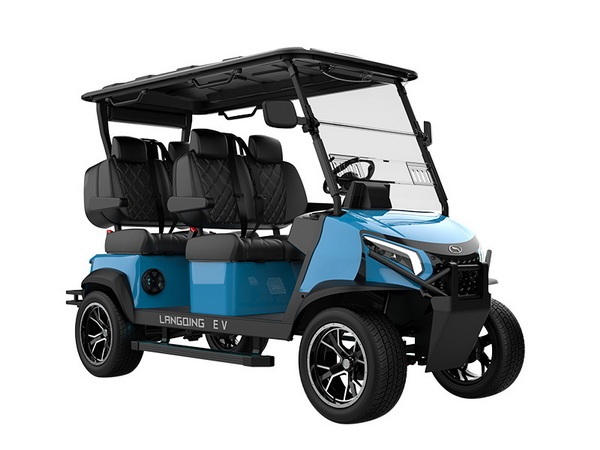
As a specialized OEM manufacturer in China, LANGQING focuses on electric golf carts and small electric vehicles that can be customized to meet diverse market requirements. With OEM service, it is possible to:
- Configure carts for strictly private-property applications or for LSV-level, street-ready use.
- Integrate lights, mirrors, windshields, seat belts, and other safety equipment according to your target market's standards.
- Add custom branding, colors, seating layouts, cargo solutions, and accessories tailored to resorts, security teams, or industrial fleets.
- Maintain consistent quality and scalable supply for international partners who need reliable long-term production support.
If you are a brand owner, wholesaler, or fleet buyer looking to develop or expand your golf cart product line, you can work with LANGQING as an OEM partner to design and deliver vehicles that are both user-friendly and compliant with your local regulations.
Final Call to Action
If you are planning to use golf carts on public roads, in communities, or as part of a professional fleet, now is the ideal time to review your local regulations and upgrade your vehicles for safety and compliance. As a dedicated OEM manufacturer of electric golf carts and small electric vehicles, LANGQING can help you design and source customized carts that meet your market's legal requirements while delivering excellent comfort and durability. Contact LANGQING today to discuss your project, explore tailored OEM solutions, and start building a safer, more efficient golf cart fleet for your customers or your organization.
Contact us to get more information!
Frequently Asked Questions (FAQ)
FAQ 1. Can you drive a golf cart without a license on a golf course?
In most areas, a driver's license is not required to operate a golf cart on a golf course, because the course is private property. However, the course management often establishes its own rules about minimum age, safe operation, and allowed paths, and those rules must be followed at all times.
FAQ 2. What age can you drive a golf cart on public roads?
Many places set the minimum age at 16 for golf cart use on public roads, aligning with typical driver's license rules. Some regions may require drivers to be 18, while others allow younger drivers with specific permits or under certain supervision conditions, so it is essential to check your local law.
FAQ 3. Do golf carts need insurance?
Golf carts used on public roads or registered as LSVs often need at least liability insurance, similar to a small car. Even when a cart is used only on private property, owners and fleet managers frequently choose additional coverage to protect against injuries, property damage, or guest accidents.
FAQ 4. Can a golf cart get a DUI?
Yes. In many jurisdictions, driving under the influence of alcohol or drugs on a golf cart is treated similarly to operating a car while impaired. Operators can face fines, license suspension, or even criminal charges if they exceed legal limits while driving a golf cart.
FAQ 5. How do I make my golf cart street-legal?
To make a golf cart street-legal, you usually need to install required safety equipment such as headlights, brake lights, turn signals, mirrors, a windshield, seat belts, and a horn, and ensure the vehicle can travel within the speed range set for LSVs in your area. After that, you typically must register the vehicle, obtain appropriate insurance, and comply with any inspection or documentation requirements set by your local DMV.
Citations:
1. https://golfcarts.com/do-you-need-a-license-to-drive-a-golf-cart/
2. https://www.progressive.com/answers/golf-cart-driving-requirements/
3. https://evtitan.com/golf-cart-laws-regulations-state-by-state-guide/
4. https://golfcarts.com/how-old-do-you-have-to-be-to-drive-a-golf-cart/
5. https://golfcartlifestyles.com/golf-cart-laws-by-state/


