Content Menu
● What Is A Golf Cart Cover?
● 5 Reasons You Need A Golf Cart Cover
>> 1. Protection From Harsh Weather
>> 2. Keeps Your Golf Cart Clean And Low-Maintenance
>> 3. Enhanced Security And Theft Deterrence
>> 4. Extends Lifespan And Resale Value
>> 5. Comfort And All-Weather Usability With Enclosures
● Types Of Golf Cart Covers (And Which One You Need)
>> Main Types Of Golf Cart Covers
● How To Choose The Best Golf Cart Cover (Step-by-Step)
>> Step 1: Confirm Your Cart Configuration
>> Step 2: Choose Material And Weather Rating
>> Step 3: Decide Between Storage Cover And Enclosure
>> Step 4: Look For User-Friendly Features
● Common Mistakes To Avoid When Buying A Golf Cart Cover
● Maintenance Tips: Make Your Golf Cart Cover Last Longer
● When A Golf Cart Cover Replaces Separate Seat Covers
● Where A High-Quality Cover Matters Most
● Clear Call To Action: Protect Your Cart Today
● FAQs About Golf Cart Covers
>> FAQ 1: Do I really need a golf cart cover if my cart is stored under a carport?
>> FAQ 2: Can I keep my golf cart outside year-round with just a cover?
>> FAQ 3: What is the difference between a golf cart cover and a golf cart enclosure?
>> FAQ 4: How long does a good golf cart cover last?
>> FAQ 5: Are universal golf cart covers as good as custom-fit covers?
● Citations:
Owning a golf cart is an investment, and the right golf cart cover is one of the simplest ways to protect that investment, extend its lifespan, and maintain resale value. Beyond appearance, a high-quality waterproof and UV-resistant cover shields your cart from weather damage, dirt, theft risk, and unnecessary repair costs.
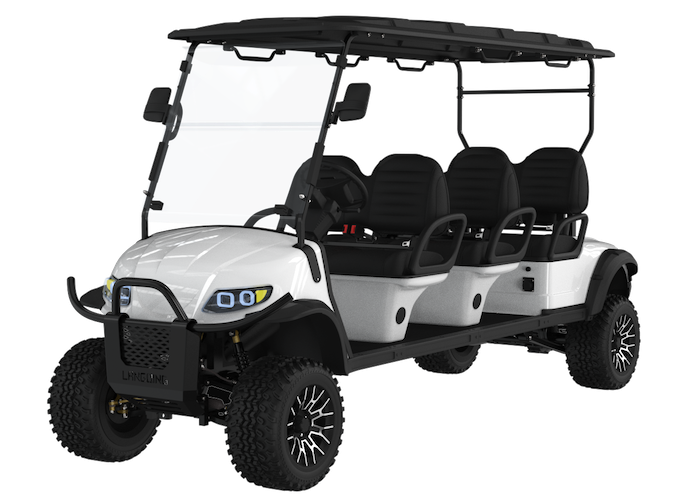
What Is A Golf Cart Cover?
A golf cart cover is a fitted protective layer designed to shield your cart when it is parked or stored, either outdoors or indoors. It typically wraps over the roof and body and may extend downward to cover wheels, seats, and accessories, depending on the style.
- Storage covers: Built mainly for parked carts, protecting against sun, rain, dust, and debris.
- Driving enclosures: Full enclosures with clear panels and zippers that allow you to drive in rain, wind, or cold while staying dry.
- Universal vs custom-fit: Universal covers fit many models, while custom-fit options are tailored for specific brands and body styles.
5 Reasons You Need A Golf Cart Cover
A high-quality golf cart cover is not just a nice-to-have accessory; it is a must-have protective layer if you store or use your cart outside. Below are the five most important reasons every owner should use a cover.
1. Protection From Harsh Weather
Uncovered carts face rain, snow, UV radiation, and temperature swings every single day they sit outside. Over time, that exposure leads to fading paint, cracked seats, rusted frames, and potential electrical issues on electric models.
- Rain and snow can cause corrosion on metal parts and seep into electrical components if the cart stays wet.
- UV rays fade paint, chalk dashboards, and dry out vinyl seats until they crack.
- A waterproof, UV-resistant golf cart cover forms a barrier so your cart stays dry and shaded, even during storms or hot summers.
2. Keeps Your Golf Cart Clean And Low-Maintenance
Outdoor carts collect dust, leaves, tree sap, bird droppings, and grass clippings quickly, even in just a few days. Cleaning that buildup repeatedly takes time and often requires specialized cleaners to avoid damaging seats and plastics.
- A cover blocks most airborne dirt and debris, so surfaces stay cleaner for longer and need fewer deep washes.
- Preventing sap, droppings, and wet leaves from sitting on the cart reduces staining and paint damage.
- Owners who consistently use a golf cart storage cover typically spend less time and money on detailing and interior cleaning.
3. Enhanced Security And Theft Deterrence
A visible, uncovered cart can be a tempting target for thieves or vandals, especially in resorts, communities, and public parking areas. A good cover is not a lock, but it adds a valuable layer of discreet protection.
- Covering your cart hides brand, condition, and accessories, making it less attractive as a target.
- Many modern golf cart covers offer lockable zippers, cable locks, or integrated grommets for extra security.
- For carts parked in RV parks, marinas, or shared garages, a cover can significantly reduce casual tampering and opportunistic theft attempts.
4. Extends Lifespan And Resale Value
Golf carts represent a sizeable investment, and condition plays a major role in resale price when you upgrade or sell. Owners who consistently protect their carts with a cover usually see less cosmetic wear and fewer weather-related repairs over the years.
- UV-induced fading and cracking directly lowers perceived value for buyers and dealers.
- A clean, rust-free chassis and intact upholstery are strong selling points that support a higher asking price.
- Compared with repainting, re-upholstering, or replacing cracked plastics, a quality cover is a low-cost, high-ROI accessory.
5. Comfort And All-Weather Usability With Enclosures
If you choose a golf cart enclosure with doors, you gain more than storage protection; you improve comfort while driving in real-world conditions. That matters for year-round golfers and for communities where carts are daily transportation.
- Enclosures with clear panels shield you and passengers from wind chill, sideways rain, and blowing dust.
- Zippered doors and roll-up windows let you adapt quickly to changing weather on the course or around the community.
- For regular users, an enclosure effectively extends the usable season of the cart and improves comfort on every trip.
Types Of Golf Cart Covers (And Which One You Need)
Different cart owners have different storage locations, climates, and usage habits, so the best golf cart cover is not the same for everyone. Choosing the right type ensures better daily usability and long-term protection.
Main Types Of Golf Cart Covers
Type of cover | Best for usage scenario | Key benefits |
Storage cover | Long-term outdoor or indoor parking | Strong weather protection, dust control, UV resistance. |
Driving enclosure with doors | All-weather driving in rain, wind, or cold | Keeps driver and passengers dry and warm; zippered access while driving. |
Seat or dash covers only | Extra comfort and cosmetic protection | Shields specific areas from UV and wear; not full-cart protection. |
Custom-fit brand-specific cover | Owners wanting a “glove-fit” on major brands | Cleaner look, less flapping, better coverage for accessories. |
Heavy-duty all-weather cover | Harsh climates such as snow, intense sun, or coastal areas | Thicker fabric, stronger stitching, higher UV and water resistance. |
Storage covers and heavy-duty options are ideal if your cart spends most of its time parked outdoors, especially near trees or in rainy regions. Driving enclosures are better if you frequently use the cart in active rain, strong winds, or cool seasons.
How To Choose The Best Golf Cart Cover (Step-by-Step)
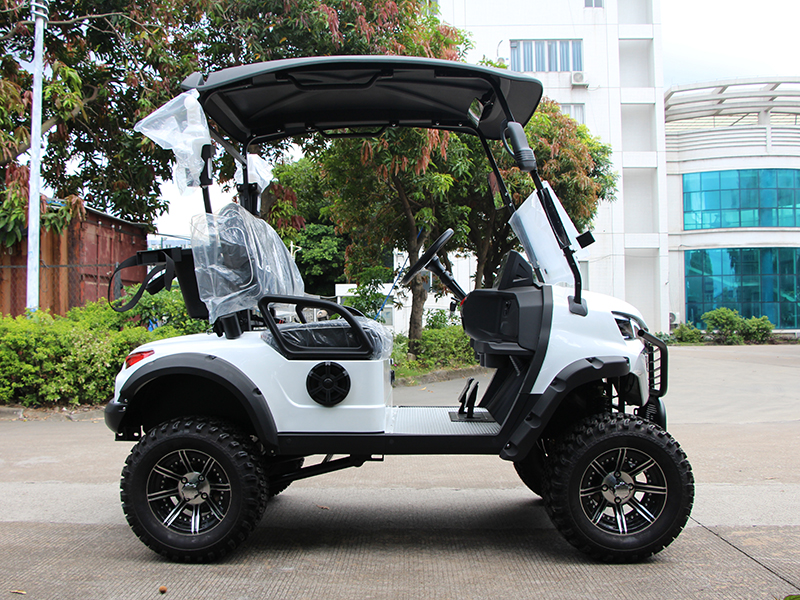
A structured selection process helps you avoid poor fit, condensation problems, or fabric that breaks down after a single season. The steps below guide you from measuring to feature selection.
Step 1: Confirm Your Cart Configuration
Accurate fit is critical for full coverage and a neat appearance. Measure carefully before buying.
1. Identify cart type: 2-passenger, 4-passenger, or 6-passenger.
2. Check whether you have a rear seat kit, cargo box, or lifted suspension, which can change length and height.
3. Measure length, width, and height from bumper to bumper and from ground to top of the roof.
Choosing a cover matched to your passenger capacity and overall length ensures it will cover the roof, rear seat, and wheels properly.
Step 2: Choose Material And Weather Rating
Cover fabrics vary widely; the right material depends on climate and storage location. A thoughtful choice here usually determines how long the cover will last.
- Look for waterproof or highly water-resistant outer layers with sealed seams to block rain and snow.
- Check for UV-resistant coatings to prevent premature fading and cracking in sunny regions.
- Prefer breathable or vented designs to reduce trapped moisture and prevent mold or mildew underneath the cover.
Thicker, multi-layer fabrics typically offer better durability and protection, especially when exposed to prolonged sun or coastal humidity.
Step 3: Decide Between Storage Cover And Enclosure
Your primary use case determines whether you need pure storage protection or on-course weather coverage. Clarifying this upfront avoids buying a product that does not match how you really use your cart.
- Choose a storage cover if the cart is parked most of the time and you mainly want to protect finish, seats, and electronics.
- Choose an enclosure with doors if you frequently drive in rain, wind, or cold and want comfort while moving.
- Some owners combine both: an enclosure for daily use plus a heavy-duty storage cover for offseason parking.
Step 4: Look For User-Friendly Features
Small details dramatically affect day-to-day user experience and how often you actually use the cover.
- Zippered access panels so you can open the driver side without removing the whole cover.
- Elastic hems and adjustable straps to keep the cover tight in wind and reduce flapping.
- Integrated vents to reduce condensation, mold risk, and internal humidity.
- Storage bags so you can fold and store the cover neatly when not in use.
Common Mistakes To Avoid When Buying A Golf Cart Cover
Even experienced owners make avoidable mistakes that shorten cover life or reduce protection. Avoiding these errors will save time and money.
- Buying only by price: ultra-cheap covers often lack UV stability and tear after a season in harsh sun.
- Ignoring ventilation: non-breathable covers in humid areas can trap moisture and encourage mold and mildew.
- Choosing the wrong size: oversized covers flap in wind, while undersized ones leave wheels or rear seats exposed.
- Forgetting accessories: light bars, lift kits, or extended roofs require compatible sizes and shapes.
Carefully checking specifications and user feedback before buying significantly reduces these issues and improves long-term satisfaction.
Maintenance Tips: Make Your Golf Cart Cover Last Longer
Proper care ensures your golf cart cover continues to protect effectively over many seasons. A few simple habits dramatically extend its usable life.
- Clean off loose dirt with a soft brush or hose before it gets ground into the fabric.
- Use mild soap and water instead of harsh detergents that can strip waterproof or UV-resistant coatings.
- Allow the cover to dry completely before folding and storing to prevent mildew growth.
- Inspect seams, straps, and zippers periodically and repair small damage early to avoid tears spreading.
In high-UV regions, reapplying fabric protectants approved by the manufacturer can extend the life of the water-repellent and UV-blocking layers.
When A Golf Cart Cover Replaces Separate Seat Covers
Some full-coverage, all-weather golf cart covers are designed to shield the entire body, including seats, roof, and often wheels. In those cases, separate seat covers become largely optional for pure protection purposes.
- Comprehensive covers prevent direct UV exposure on seats, reducing fading and material breakdown.
- They also keep seats dry during overnight rain, so you are not sitting on damp cushions the next morning.
- Seat covers still make sense if you want an upgraded look or added cushioning, but they are no longer essential to protect against weather when using an all-weather cover.
Where A High-Quality Cover Matters Most
Certain environments and use patterns increase the value of a premium golf cart cover. If you recognize your situation below, upgrading to a better cover usually pays off quickly.
- Coastal communities: salt-laden air accelerates corrosion on exposed metal parts; a good cover reduces that exposure.
- Wooded or tree-heavy areas: falling branches, sap, leaves, and bird droppings are constant threats to paint and upholstery.
- RV parks and resorts: carts are often stored outdoors for weeks, making weather and security protection critical.
- Snowbelt regions: off-season storage in winter requires robust waterproofing and durable fabric.
In all these cases, a heavy-duty, breathable, waterproof golf cart cover offers protection that far exceeds its cost.
Clear Call To Action: Protect Your Cart Today
If your golf cart spends any time outdoors, waiting to buy a cover simply gives weather and wear more time to damage your investment. The most cost-effective moment to protect a cart is before fading, cracking, or corrosion begins.
- Choose a waterproof, UV-resistant golf cart cover or enclosure that fits your cart size and climate.
- Measure your cart, decide on storage versus driving protection, and pick a trusted manufacturer with proven materials and ventilation.
- Make covering your cart a daily habit so every park or overnight stay becomes a chance to preserve its condition and value.
Now is the ideal time to act: measure your cart, select the best all-weather golf cart cover for your needs, and start protecting your vehicle with every parking stop.
Contact us to get more information!
FAQs About Golf Cart Covers
FAQ 1: Do I really need a golf cart cover if my cart is stored under a carport?
Yes. Even under a carport, your cart is exposed to wind-blown rain, dust, UV rays, and bird droppings, all of which a cover significantly reduces. A cover adds an extra barrier so surfaces stay cleaner and better protected over time.
FAQ 2: Can I keep my golf cart outside year-round with just a cover?
You can keep a cart outdoors year-round if you use a durable, waterproof, and UV-resistant golf cart cover and follow basic maintenance. Regular cleaning, periodic inspections, and proper battery care are also important for long-term reliability.
FAQ 3: What is the difference between a golf cart cover and a golf cart enclosure?
A golf cart cover is usually a storage solution for parked carts, focusing on protecting the exterior while the vehicle is not in use. A golf cart enclosure with doors allows you to drive while protected from wind and rain, adding comfort and extending the usable season.
FAQ 4: How long does a good golf cart cover last?
With quality materials, proper sizing, and basic cleaning, a premium cover can last several seasons, even in demanding climates. Lifespan depends mainly on UV exposure, wind, and whether the cover is stored dry and folded correctly when not in use.
FAQ 5: Are universal golf cart covers as good as custom-fit covers?
Universal covers offer flexibility and a lower price, making them a practical choice for many owners. Custom-fit covers typically provide a neater look, less flapping in the wind, and more complete coverage, especially around accessories or extended roofs.
Citations:
[1]https://www.golfcartgarage.com/blog/how-to-choose-a-golf-cart-cover/
[2]https://10l0l.com/blogs/blog/why-you-need-golf-cart-covers-and-enclosures
[3]https://www.nationalgolfcartcovers.com/a/choosing-golf-cart-cover.html
[4]https://www.cricketcartsdirect.com/golf-cart-covers-importance-and-type-options/
[5]https://www.nationalgolfcartcovers.com/a/national-golf-cart-covers-are-the-best-choice-for-your-cart.html
[6]https://www.coverstore.com/blogs/news/how-to-pick-the-right-golf-cart-cover
[7]https://www.taragolfcart.com/news/protecting-your-investment-the-complete-guide-to-golf-buggy-covers/
[8]https://formosacovers.com/collections/golf
[9]https://www.golfcarttiresupply.com/golf-cart-covers-enclosures-explained/
[10]https://golfcarts.com/best-golf-cart-covers-5-reasons-you-need-a-golf-cart-cover/


