Content Menu
● Why Golf Cart Tires Matter More Than You Think
● Turf Damage: What Really Happens Under the Tire
● Radial vs. Bias‑Ply Golf Cart Tires
>> What Are Radial Golf Cart Tires?
>> What Are Bias‑Ply Golf Cart Tires?
● Turf‑Friendly Tread Patterns: Protecting Greens and Fairways
● Off‑Road Golf Cart Tires That Still Respect Grass
● Aluminum Wheels: Lighter, Stronger, and More Turf‑Conscious
● Key Tire Types and Best Uses
>> Golf Cart Tire Options and Ideal Applications
● Latest Market and Sustainability Trends
● Practical Tire Selection Checklist for Course and Fleet Managers
>> 1. Define Primary Terrain
>> 2. Set Turf‑Protection Standards
>> 3. Match Tire to Vehicle and Load
>> 4. Consider Wheel Construction
>> 5. Evaluate Total Cost of Ownership
● Tire Maintenance Strategies That Extend Life and Protect Turf
>> Set Clear Standards
>> Make Inspections Routine
>> Track Tire History
● Case‑Style Scenario: A Course That “Fixes” Its Fairways Through Tire Upgrades
● Focused Action Call: Partner With a Professional OEM Manufacturer
● FAQ: Golf Cart Tires
>> 1. How long do golf cart tires usually last?
>> 2. Are radial golf cart tires worth the extra cost?
>> 3. Do I need different golf cart tires for off‑road and turf use?
>> 4. How does tire pressure affect turf damage?
>> 5. Why choose aluminum wheels for golf carts?
● Citations:
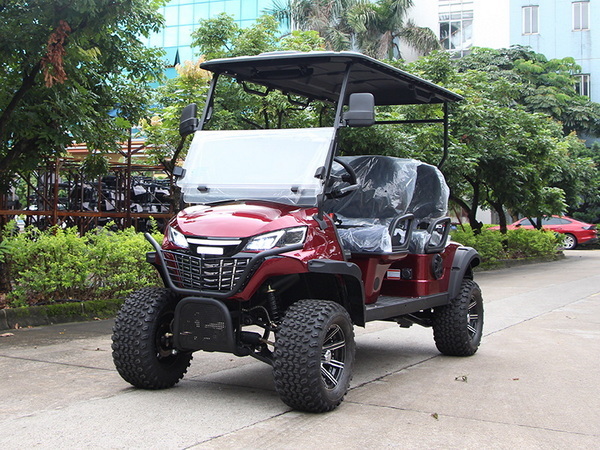
Golf cart tires do much more than keep a cart moving—they directly affect turf health, ride comfort, safety, and long‑term operating costs for golf courses, resorts, and communities worldwide. Choosing the right tire construction and tread pattern is one of the fastest ways to reduce grass damage while improving the overall driving experience.
Why Golf Cart Tires Matter More Than You Think
Golf carts are now essential vehicles on golf courses, in gated communities, resorts, campuses, industrial facilities, and tourism destinations. As the global golf cart market grows and more fleets convert to electric power, small details like tire choice have an outsized impact on both cost and sustainability.
From a course superintendent's perspective, each tire contact with the ground can either protect or punish the turf. In sensitive areas, even a few repeated passes can thin grass, compact soil, and increase maintenance needs, especially on high‑traffic fairways, exits, and around bunkers.
Turf Damage: What Really Happens Under the Tire
When a golf cart rolls across grass, three main forces determine whether the turf stays healthy or slowly degrades over time.
- Ground pressure: Narrow or over‑inflated tires concentrate weight into a smaller area, increasing soil compaction and stressing grass roots.
- Tread aggressiveness: Deep, aggressive lugs can tear turf, especially during sharp turns or on wet ground.
- Traffic patterns: Repeated passes along identical lines wear down grass quickly and expose soil, increasing erosion and weed invasion.
Even a single golf cart pass can damage sensitive grass varieties, and just a few regular passes over the same track can significantly thin turf over time. That damage translates into more frequent reseeding, topdressing, and irrigation, raising operating costs and affecting playability.
Radial vs. Bias‑Ply Golf Cart Tires
Understanding tire construction is critical for optimizing both ride quality and turf protection.
What Are Radial Golf Cart Tires?
Radial golf cart tires are built with cords running roughly at 90 degrees to the direction of travel, with additional belts under the tread. This construction allows the tread and sidewall to behave somewhat independently, which brings multiple advantages:
- Wider, more stable footprint for even weight distribution on turf
- More flexible sidewall for a smoother, more comfortable ride over uneven ground
- Lower rolling resistance, improving energy efficiency and battery range on electric carts
For golf courses, parks, and residential communities, radial golf cart tires help reduce soil compaction and provide a more controlled, less jarring ride for passengers.
What Are Bias‑Ply Golf Cart Tires?
Bias‑ply tires use layers of cords overlapping at angles across the tread and sidewalls. This makes the casing more rigid as a whole and typically offers:
- Robust sidewalls with good resistance to cuts and impacts at low speeds
- Suitability for heavy‑duty, low‑speed, or rough‑terrain applications where puncture resistance is a priority
However, bias‑ply tires often have higher rolling resistance, less ride comfort, and can create more localized pressure points on turf compared with radial designs.
Turf‑Friendly Tread Patterns: Protecting Greens and Fairways
A turf‑friendly golf cart tire uses a tread design that balances traction with minimal disturbance to grass. Instead of aggressive lugs, these tires feature:
- Shallower, more continuous tread blocks that distribute weight evenly
- Rounded shoulders that reduce the risk of cutting into turf during turns
- Optimized void ratios to maintain grip even in light moisture without digging in
This type of tread pattern delivers smooth, safe navigation on fairways and rough without ripping up grass. It also improves performance in wet or soft conditions while still protecting the root zone. For golf course operators, turf‑friendly tread patterns directly support course playability, aesthetics, and long‑term sustainability.
Off‑Road Golf Cart Tires That Still Respect Grass
Many operators need carts that leave the path for hills, gravel, or construction zones but still enter turf areas. Traditional aggressive off‑road tires are designed for deep mud and rocky terrain, and their sharp lugs can shred grass when turning or braking hard.
Modern off‑road‑style golf cart tires for mixed environments take a more balanced approach:
- Moderate tread depth that provides confident traction on slopes, gravel, and soft soil
- Carefully shaped lugs that resist turf tearing while improving safety on uneven ground
- Lightweight casings and aluminum wheels that keep overall vehicle weight down, further reducing turf stress
This design philosophy allows a fleet to serve both utility and course‑friendly roles with a single tire specification.
Aluminum Wheels: Lighter, Stronger, and More Turf‑Conscious
Wheel choice also influences how golf cart tires interact with the ground.
Aluminum wheels offer several advantages over traditional steel options:
- Lower weight reduces total cart mass, decreasing ground pressure and turf compaction
- High corrosion resistance improves longevity and reduces maintenance needs in humid or coastal environments
- Improved heat dissipation benefits both tires and braking performance on long paths or hilly terrain
When paired with radial or carefully engineered off‑road tires, aluminum wheels create a system that combines turf protection, comfort, and premium aesthetics. For high‑end courses and resorts, this combination also supports brand image and guest satisfaction.
Key Tire Types and Best Uses
Golf Cart Tire Options and Ideal Applications
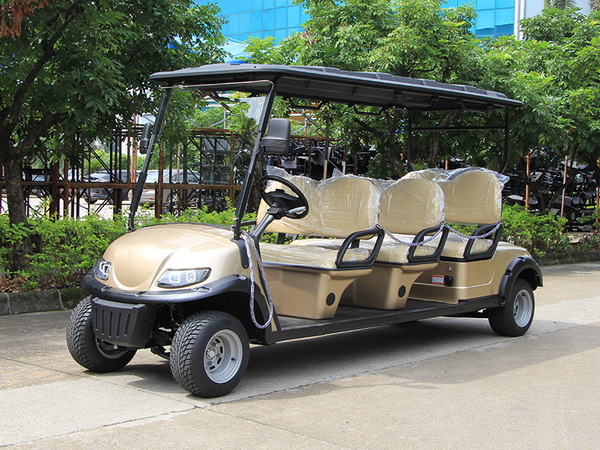
| Tire / wheel type | Best use case | Turf impact (relative) | Comfort level | Notes for operators |
| Radial turf‑friendly golf cart tires | Golf courses, parks, gated communities | Low | High | Excellent for regular fairway and path traffic |
| Bias‑ply turf tires | Budget fleets, low‑speed utility roles | Medium | Medium | Durable, cost‑effective for less sensitive areas |
| Off‑road golf cart tires (moderate lug) | Mixed terrain, hills, gravel plus occasional turf | Medium–low | Medium | Choose patterns that avoid deep, sharp lugs |
| Aluminum wheels with radial tires | Premium courses, resorts, communities | Low | High | Combines reduced weight with smooth, quiet ride |
| Aluminum wheels with off‑road tread | Multi‑purpose work carts entering turf occasionally | Medium | Medium | Ideal where utility work and turf care must coexist |
This overview gives fleet managers a quick way to match golf cart tires and wheel options to their environment and turf‑care standards.
Latest Market and Sustainability Trends
The global golf cart market is expanding due to growing golf participation, resort development, and the spread of low‑speed electric vehicles in communities and commercial sites. Market studies show that the sector is poised for continued growth over the next decade, driven by tourism, real estate projects, and mobility solutions in closed environments.
At the same time, there is a visible shift toward electric carts with efficient, turf‑protective tires. Operators increasingly prioritize low‑rolling‑resistance tires to extend battery range and reduce energy use, while course owners focus on environmental responsibility and long‑term turf health. This convergence of efficiency, comfort, and sustainability puts golf cart tires at the center of both course performance and brand reputation.
Practical Tire Selection Checklist for Course and Fleet Managers
Choosing the right golf cart tires requires balancing technical specifications with real‑world conditions. Use this step‑by‑step checklist as a practical decision tool.
1. Define Primary Terrain
- Mostly fairways and paved or gravel paths: prioritize turf‑friendly radial golf cart tires.
- Mixed gravel, slopes, unpaved paths, and turf: choose moderate off‑road tread patterns with rounded shoulders and controlled lug depth.
2. Set Turf‑Protection Standards
- Specify acceptable ground pressure and avoid overly narrow tire sizes on sensitive greens and approaches.
- Require tread designs that disperse load and minimize shear forces during turning and braking.
3. Match Tire to Vehicle and Load
- Confirm load ratings exceed fully loaded cart weight, including passengers, bags, tools, and accessories.
- Align tire pressure recommendations with cart manufacturer guidelines to avoid unnecessary soil compaction and irregular wear.
4. Consider Wheel Construction
- Favor aluminum wheels where corrosion resistance, weight savings, and premium appearance are important.
- Ensure correct fitment (diameter, width, and offset) to maintain stable handling and avoid interference with suspension or bodywork.
5. Evaluate Total Cost of Ownership
- Look beyond initial purchase price and factor in tire longevity, reduced turf repair, and lower energy consumption.
- Standardize tire types across fleets, where possible, to simplify inventory and maintenance.
This structured approach helps avoid under‑specifying tires that lead to turf damage, or over‑specifying aggressive patterns that conflict with course rules and guest expectations.
Tire Maintenance Strategies That Extend Life and Protect Turf
Even the best golf cart tires will fail early if not maintained correctly. Consistent tire management also reduces unexpected downtime and improves safety across a fleet.
Set Clear Standards
- Document target pressure ranges for each tire model and cart type.
- Define minimum tread depth and replacement thresholds, and communicate them clearly to maintenance teams.
Make Inspections Routine
- Daily: quick visual checks by drivers for obvious low pressure, cuts, punctures, or sidewall bulges.
- Weekly or monthly: detailed inspections to measure tread depth, verify pressure, and check for irregular wear patterns that signal alignment or load issues.
Track Tire History
- Log installation dates, rotations, and replacements to identify underperforming tire models or problem vehicles.
- Use digital tools or fleet software where possible to standardize record‑keeping and generate reminders for inspections.
A disciplined maintenance program can significantly extend tire life, stabilize ride quality, and keep turf damage predictable and minimal across the course or property.
Case‑Style Scenario: A Course That “Fixes” Its Fairways Through Tire Upgrades
Imagine a mid‑size 18‑hole golf course experiencing thinning turf along cart‑exit points, around bunkers, and in certain fairway landing zones. Carts use older, aggressive bias‑ply utility tires originally chosen for durability rather than turf friendliness.
After a review, the course upgrades to:
- Radial, turf‑friendly golf cart tires with wider footprints and more flexible sidewalls
- Aluminum wheels to reduce overall cart weight and improve cart aesthetics for players
Within a single maintenance season, the course notices less visible turf tearing in high‑traffic zones and fewer compaction‑related problem patches. At the same time, players report smoother rides, less vibration, and reduced noise from cart traffic. This type of targeted upgrade directly supports the superintendent's goals of better playability, healthier grass, and lower long‑term repair costs.
Focused Action Call: Partner With a Professional OEM Manufacturer
For golf courses, resorts, communities, and fleet operators, choosing the right golf cart tires is one of the most effective ways to combine ride comfort, safety, and turf protection. Radial, turf‑friendly designs paired with lightweight aluminum wheels and a disciplined maintenance program help reduce soil compaction, extend tire life, and lower overall operating costs.
If you are a brand owner, wholesaler, or manufacturer looking for a reliable OEM partner to supply high‑quality, turf‑conscious golf cart tires and wheels, LANGQING is ready to support your growth. As a professional factory specializing in golf carts and other small electric vehicles, we can design and manufacture customized tire and wheel solutions, from radial and off‑road golf cart tires to complete aluminum wheel assemblies tailored to your target markets.
Contact LANGQING today to share your specifications, request samples, and discuss a long‑term OEM cooperation that strengthens your product line, protects your customers' turf, and elevates your brand.
FAQ: Golf Cart Tires
1. How long do golf cart tires usually last?
Golf cart tire life depends on usage, surface, load, and maintenance, but many operators see several years of service from quality turf‑friendly tires used mainly on smooth paths and fairways. Regular inspections, correct inflation, and careful driving habits can significantly extend tire lifespan.
2. Are radial golf cart tires worth the extra cost?
Radial golf cart tires typically offer better ride comfort, more even ground pressure, and lower rolling resistance compared with bias‑ply designs. For courses and communities focused on turf health, passenger comfort, and energy efficiency, radial tires usually provide a strong return on investment over their lifetime.
3. Do I need different golf cart tires for off‑road and turf use?
Dedicated off‑road tires with aggressive lugs are ideal for mud and rough terrain but can easily damage turf when used on greens and fairways. Hybrid or moderate off‑road golf cart tires with turf‑conscious tread patterns are a better choice for fleets that must handle both paths and grass without compromising course conditions.
4. How does tire pressure affect turf damage?
Over‑inflated tires concentrate weight into smaller contact patches, which increases soil compaction and stresses grass roots. Maintaining manufacturer‑recommended pressure helps balance load distribution, protect turf, improve traction, and prevent premature or irregular tire wear.
5. Why choose aluminum wheels for golf carts?
Aluminum wheels reduce overall cart weight, which lowers ground pressure and helps protect delicate turf areas. They also offer better corrosion resistance and a more refined appearance compared with typical steel wheels, making them a popular choice for premium courses, resorts, and communities that want durability and an upgraded look.
Citations:
1. https://evolutionelectricvehicle.com/smooth-rides-greener-grass-why-evolution-tires-are-play-a-critical-role/
2. https://guildgolfcarts.com/how-does-a-turf-friendly-tread-pattern-benefit-golf-courses/
3. https://www.gminsights.com/industry-analysis/golf-cart-market
4. https://www.inkwoodresearch.com/reports/golf-cart-market/
5. https://www.giga-tires.com/blog/unlock-radial-tires-vs-bias-ply/
6. https://aceofcarts.com/blog/ultimate-golf-cart-tire-buyers-guide/
7. https://hartvillegolfcarts.com/how-long-do-golf-cart-tires-last/
8. https://heavyvehicleinspection.com/blog/post/fleet-tire-management-strategies-hvi
9. https://www.fleetio.com/blog/tire-management-best-practices
10. https://evolutionelectricvehicle.com
11. https://solanaev.com/evolution-golf-cart-reviews/
12. https://evolutionelectricvehicle.com/the-evolution-of-golf-cart-versatility-choose-lifted-or-not/
13. https://www.tires-easy.com/blog/top-ev-tires-for-electric-vehicles/


