Content Menu
● What Does It Mean to Winterize a Golf Cart?
● Key Winterizing Checklist (Quick Overview)
● Step 1: Deep Clean and Inspect Before Storage
● Step 2: How to Winterize Golf Cart Batteries
>> Winterizing Lead‑Acid Golf Cart Batteries
>> Winterizing Lithium Golf Cart Batteries
● Step 3: Choose the Right Storage Location
● Step 4: Check and Inflate Tires to Proper Pressure
● Step 5: Protect and Lubricate Moving Parts
● Step 6: Inspect and Maintain the Braking System
● Step 7: Secure, Cover, and Monitor Your Golf Cart
● Electric vs Gas Golf Carts: Winter Storage Basics
● Common Winter Storage Questions
>> Can I leave my golf cart outside all winter?
>> Should I leave my golf cart plugged in all winter?
>> Should I disconnect golf cart batteries for storage?
● Additional Expert Tips for Long‑Term Golf Cart Storage
● Ready for Winter? Protect Your Golf Cart Investment
● FAQs
>> 1. How often should I check my golf cart during winter storage?
>> 2. What happens if I store my golf cart without cleaning it?
>> 3. Is it necessary to remove the batteries from the cart for winter?
>> 4. Do I need a special cover, or will any tarp work?
>> 5. How long can a properly winterized golf cart sit without being used?
Preparing your golf cart for winter is essential if you want reliable performance, safe operation, and fewer repair costs when spring returns. This guide walks you through practical, expert-backed steps to winterize and store your golf cart, whether you own an electric or gas model.
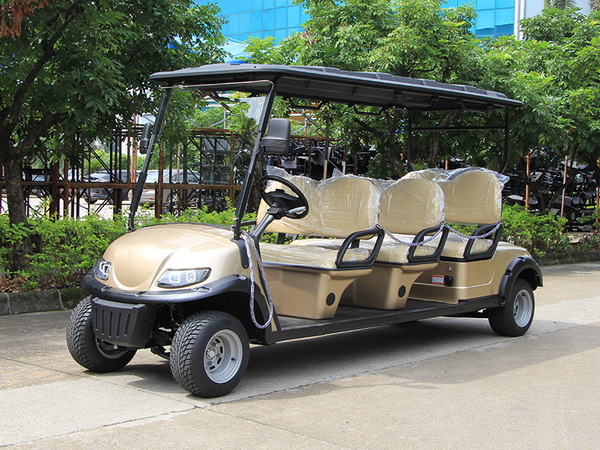
What Does It Mean to Winterize a Golf Cart?
Winterizing a golf cart means preparing its battery, body, tires, brakes, and storage environment so that cold temperatures and moisture do not damage key components. If you skip these steps, you risk frozen batteries, rust, wiring problems, and flat‑spotted tires by the time you take the cart back out.
For owners in cold or snowy regions, proper winterization can extend the life of the cart by several years and preserve resale value. It also reduces the chance of unexpected breakdowns when you need the cart in early spring.
Key Winterizing Checklist (Quick Overview)
Use this high‑level checklist before diving into detailed instructions:
- Clean the golf cart inside and out.
- Inspect and tighten bolts, nuts, and fasteners.
- Check and adjust tire pressure.
- Maintain and prepare lead‑acid or lithium batteries correctly.
- Protect and lubricate moving parts.
- Inspect and test the braking system.
- Choose the right indoor or outdoor storage location.
- Cover and secure the golf cart, then check it periodically.
Step 1: Deep Clean and Inspect Before Storage
Before you put your golf cart away for the winter, start with a thorough cleaning session. Dirt, mud, road salt, and grass clippings can trap moisture and cause rust or corrosion if left on the frame and undercarriage.
- Wash the body, undercarriage, and wheels with mild soap and water.
- Remove leaves, grass, and debris from the floor, seat bases, and storage compartments.
- Dry the cart completely to avoid moisture pockets, especially in hidden areas.
Then carry out a visual inspection:
- Check bolts, screws, and brackets for looseness; tighten as needed.
- Look for cracks in plastic parts or damage to fenders and bumpers.
- Inspect tires for cuts, bulges, or uneven wear.
Step 2: How to Winterize Golf Cart Batteries
Battery care is one of the most critical parts of winterizing your golf cart. Golf carts mainly use either lead‑acid batteries or lithium batteries, and each type requires different handling during storage.
Winterizing Lead‑Acid Golf Cart Batteries
For traditional lead‑acid batteries, neglect during winter can lead to sulfation, frozen electrolyte, and permanent capacity loss.
Follow these steps:
1. Fully charge the battery pack before storage to reduce the risk of freezing and deep discharge.
2. Disconnect the batteries to prevent slow drains from accessories or wiring.
3. Clean the terminals with a baking soda and water mixture to remove corrosion.
4. Rinse and dry terminals thoroughly, then apply a light coat of terminal protectant.
5. Avoid leaving a basic charger connected all winter; this can cause overcharging and shorten battery life.
Using a smart charger or maintainer that automatically cycles on and off is a safer way to maintain charge over long periods.
Winterizing Lithium Golf Cart Batteries
Lithium batteries behave differently and usually have a lower self‑discharge rate than lead‑acid.
Best practices include:
- Turn the cart's main power switch to OFF; lithium packs can often remain connected if the system is fully powered down.
- Store lithium batteries at a moderate state of charge and check levels periodically during winter.
- Recharge only when necessary, according to the battery manufacturer's guidelines.
Manufacturers' recommendations always take priority, so check your specific battery manual for exact voltage targets and storage temperature limits.
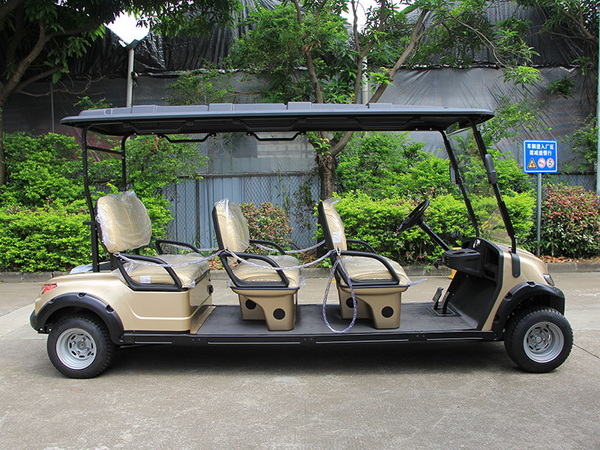
Step 3: Choose the Right Storage Location
Where you store your golf cart is just as important as how you prepare it mechanically.
- Best option: A dry garage or shed, protected from snow, rain, and extreme cold.
- If indoor storage isn't available: Use a covered outdoor area and a high‑quality golf cart cover to shield the cart from the elements.
The storage space should be:
- Dry and well‑ventilated to reduce mold and mildew.
- Free from standing water or drainage problems.
- Away from heavy sources of salt, fertilizers, or chemicals that can accelerate corrosion.
Recommended visual: Show a simple diagram comparing ideal indoor storage vs covered outdoor storage with a labeled cart cover.
Step 4: Check and Inflate Tires to Proper Pressure
Cold temperatures can cause tire pressure to drop, which leads to flat spots if the cart sits for months. Proper inflation helps protect the tire structure and ensures safe handling when spring returns.
To prepare your tires:
- Find the recommended PSI in the owner's manual or on the tire sidewall.
- Measure each tire with a tire pressure gauge when the tires are cold.
- Inflate under‑inflated tires with an air compressor or pump.
- Release air if any tire is above the recommended level.
You can also use tire covers to shield rubber from UV rays, snow, and ice, which helps extend tire life.
For very long storage periods, some owners place the cart on jack stands to relieve constant pressure on the tires and suspension.
Step 5: Protect and Lubricate Moving Parts
Metal components and moving joints are vulnerable to rust and wear when a cart sits idle. Proper lubrication helps ensure your golf cart still feels smooth and responsive after winter.
Key components to focus on include:
- Hinges, latches, and seat mechanisms
- Cables and linkages
- Pedal assemblies
- Brake components
- Wheel bearings
Steps to follow:
1. Clean each part thoroughly to remove dirt and grit before applying lubricant.
2. Inspect for signs of wear or damage and address any issues now, rather than in spring.
3. Use appropriate lubricants (for example, silicone sprays, lithium grease, or other products recommended in your owner's manual).
4. Apply a rust inhibitor or anti‑corrosion spray on exposed metal surfaces, especially in damp climates.
5. Run the cart briefly to distribute lubricants and confirm smooth operation.
Step 6: Inspect and Maintain the Braking System
Your braking system is a major safety component, and winter is a good time to confirm everything is working correctly.
Before storage:
- Inspect brake pads for wear; replace if they appear thin, cracked, or uneven.
- Check brake fluid levels where applicable and refill with the recommended fluid type.
- Press the brake pedal to ensure it feels firm, not soft or spongy.
- Inspect brake cables and lines for rust, damage, or leaks.
- Clean brake parts and lightly lubricate components such as the pedal assembly and cables (but never the friction surface of pads or drums).
Addressing brake issues before storage means you can start the new season without delays or safety risks.
Step 7: Secure, Cover, and Monitor Your Golf Cart
Once the mechanical and battery steps are complete, it is time to secure the cart for the duration of winter.
- Park the cart on a level surface in your chosen storage location.
- Use a durable, water‑resistant cover designed specifically for golf carts.
- Lock the cart, remove the key, and consider additional anti‑theft devices if the cart is outdoors.
- For very long storage periods, consider elevating the cart with jack stands to reduce tire and suspension strain.
During winter, check your cart periodically to:
- Inspect for condensation or moisture buildup under the cover.
- Recheck tire pressures.
- Monitor battery charge levels and recharge when necessary.
Electric vs Gas Golf Carts: Winter Storage Basics
While many steps are similar, owners should be aware of a few practical differences between electric and gas golf cart winterization.
Aspect | Electric Golf Cart (Lead-acid/Lithium) | Gas Golf Cart (General Best Practices) |
Main power system | Batteries must be charged and maintained. | Fuel system must be stabilized and protected. |
Off-season drain | Electrical accessories can slowly discharge batteries. | Carbs and fuel lines can varnish or gum up. |
Typical winter prep focus | Battery maintenance, charging, cable disconnection, and corrosion prevention. | Fuel stabilizer, oil change, and engine-related checks. |
Storage recommendations | Store in a dry area, maintain charge, and keep connections clean. | Store with treated fuel, run engine after stabilizer, and protect exhaust from pests. |
If you own a gas golf cart, always follow your engine manufacturer's specific instructions for winter storage, especially regarding fuel stabilizers and oil changes.
Common Winter Storage Questions
Many owners ask similar questions the first time they winterize a cart. Here are concise answers based on key best practices.
Can I leave my golf cart outside all winter?
You can leave a cart outside, but it is not recommended because snow, ice, and freezing rain can cause rust, corrosion, and premature aging of plastics and upholstery. If outdoor storage is your only option, park the cart in a sheltered spot and use a waterproof, properly fitted golf cart cover.
Should I leave my golf cart plugged in all winter?
It is not advisable to leave a basic charger connected to your electric golf cart all winter, as continuous charging can overcharge batteries and reduce their lifespan. Instead, fully charge the batteries, disconnect the charger, and use a smart charger or periodic top‑ups to maintain a healthy charge level.
Should I disconnect golf cart batteries for storage?
Yes, disconnecting the batteries during storage helps prevent slow discharge through the cart's wiring and electronics. Ensure the batteries are fully charged first and take photos or labels of cable connections so you can reconnect correctly when spring arrives.
Additional Expert Tips for Long‑Term Golf Cart Storage
To take your winterization routine to a higher level, consider these expert‑style practices:
- Remove loose accessories or electronics that could be damaged by cold or humidity.
- Keep a record of battery voltage readings before and during storage to track any unusual discharge.
- For humid climates, place moisture absorbers near the cart (but not directly on electrical parts) to minimize mold and corrosion.
- Check local storage regulations if you keep your cart in a shared facility or community garage.
These small extra steps improve reliability and help protect your investment over many winters.
Ready for Winter? Protect Your Golf Cart Investment
Winterizing your golf cart now means less downtime, fewer repairs, and safer driving when temperatures rise again. By following the steps in this guide—deep cleaning, battery maintenance, tire care, lubrication, brake inspection, and secure storage—you can keep your cart in excellent condition for years.
If you are planning to upgrade or replace your golf cart, or you need a reliable electric vehicle for communities, resorts, or golf courses, consider working with a professional OEM manufacturer that specializes in high‑quality electric carts and small EVs tailored to your brand. Get in touch with our team today to discuss custom configurations, winter‑ready designs, and long‑term fleet support for your business.
Contact us today to get more information!
FAQs
1. How often should I check my golf cart during winter storage?
Check your cart at least once a month for battery charge, tire pressure, and signs of moisture or pests. Monthly checks help you catch small problems before they turn into expensive repairs.
2. What happens if I store my golf cart without cleaning it?
Dirt, mud, and salt can trap moisture against metal parts, leading to rust and corrosion over time. A thorough wash and dry before storage reduce this risk significantly.
3. Is it necessary to remove the batteries from the cart for winter?
In many cases you can leave the batteries installed as long as you fully charge and disconnect them, then store the cart in a dry area. However, in extremely cold environments or unprotected outdoor storage, some owners prefer to remove batteries and keep them in a more temperature‑controlled space.
4. Do I need a special cover, or will any tarp work?
A basic tarp may trap moisture and cause condensation on the cart, which is not ideal for long‑term storage. A breathable, water‑resistant cover designed specifically for golf carts offers better protection against both moisture and UV damage.
5. How long can a properly winterized golf cart sit without being used?
A well‑maintained, properly winterized cart can typically sit for several months with minimal issues, as long as you maintain battery charge and check it periodically. Regular monitoring during storage is more important than the exact length of time.


