Content Menu
● What Is the Average Cost of a Golf Cart?
● New Golf Cart Prices in Detail
● Used Golf Cart Prices and Key Checks
● Custom Golf Cart Costs
● Main Factors That Influence Golf Cart Pricing
● Typical Annual Maintenance and Operating Costs
● Lithium-Ion vs Lead-Acid: Cost and Value
● Cost Breakdown Overview
● Where Golf Carts Are Used Today
● The Growing Trend of Electric Golf Carts
● Practical Steps to Estimate Your Total Golf Cart Budget
● Ready to Choose the Right Golf Cart?
● FAQs About Golf Cart Costs
>> FAQ 1: How much does a basic electric golf cart cost?
>> FAQ 2: Is it cheaper to buy a used golf cart?
>> FAQ 3: Why are some custom golf carts so expensive?
>> FAQ 4: How often do golf cart batteries need to be replaced?
>> FAQ 5: Are electric golf carts more cost-effective than gas carts?
Buying a golf cart in 2026 is no longer just about the golf course; it is about choosing a versatile, low-speed electric vehicle that fits your lifestyle, budget, and local regulations. This guide explains how much a golf cart costs, what actually drives those prices, and how to avoid overpaying while still getting the features you need.
What Is the Average Cost of a Golf Cart?
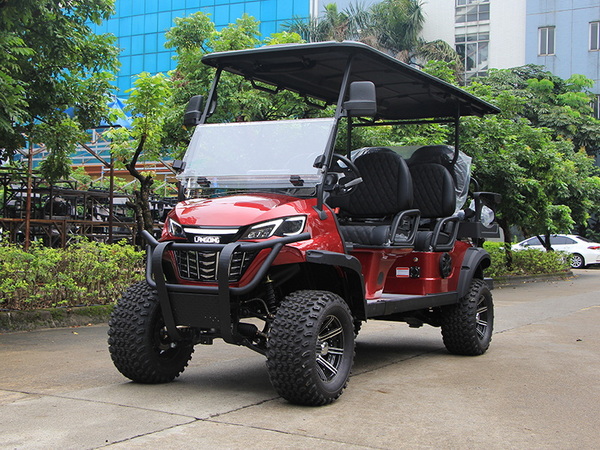
For most buyers, golf cart prices fall into three broad ranges depending on condition and configuration. Understanding these bands helps you quickly see what is realistic for your budget before you start comparing brands and options.
- New basic electric golf carts: typically 5,000–7,000 USD for simple 2–4 seat models with standard batteries and minimal extras.
- New premium or feature-rich electric carts: commonly 8,000–12,000 USD, with upgraded seating, better suspension, and tech features.
- Used golf carts: often 2,000–5,000 USD, depending on age, condition, and brand reputation.
These ranges do not include heavy customization or specialty commercial carts, which can push prices well above 20,000 USD when fully equipped.
New Golf Cart Prices in Detail
New golf carts appeal to buyers who want warranty coverage, the latest battery technology, and zero previous wear and tear. They also make it easier to configure the cart exactly for golf, community use, resorts, or light commercial work from day one.
1- Entry-level new carts
- Typical price: 5,000–7,000 USD.
- Common features: basic seating, standard lead-acid batteries, simple dashboard, and minimal lighting packages.
2- Mid-range to high-end new carts
- Typical price: 8,000–12,000 USD before customization.
- Common features: upgraded seats, improved suspension, better tires, possible lift kits, enhanced lighting, and convenience features like Bluetooth audio or basic infotainment.
New carts are ideal if you prioritize warranty, predictable maintenance, and long-term reliability instead of the lowest upfront price.
Used Golf Cart Prices and Key Checks
Used golf carts can dramatically reduce upfront costs while still delivering solid performance if the vehicle has been well maintained. The main trade-off is higher risk of repairs and shorter remaining battery life.
- Typical used price range: 2,000–5,000 USD, depending on age, brand, and condition.
- Lower-priced used carts often have older batteries, cosmetic wear, or higher hours of use.
When evaluating a used golf cart, focus on:
1. Battery age and history
- Ask for the installation date and type of battery used.
- Plan for replacement if the batteries are near the end of their 3–5 year life cycle.
2. Maintenance records
- Check whether regular servicing such as brake inspections, tire rotation, and battery care were performed.
3. Signs of heavy use or abuse
- Inspect the frame for corrosion, suspension components for damage, and electrical wiring for non-professional modifications.
A used cart with newer batteries and clear service history often delivers the best value per dollar, even if the sticker price is not the lowest.
Custom Golf Cart Costs
Custom golf carts let buyers tailor the vehicle to hunting, camping, gated communities, resorts, or hospitality operations. Because of the flexibility in accessories, the price range for custom carts is much wider than for standard models.
- Typical starting price for custom builds: around 10,000 USD.
- Fully customized carts can exceed 20,000 USD when equipped with premium accessories.
Common custom upgrades include:
- Unique paint jobs and body kits
- Upgraded seats and upholstery
- Specialized tires and wheels
- Lift kits for off-road or hunting use
- Light bars, extra LED lighting, and turn signal kits
- Enhanced batteries for extended range
- Audio systems and integrated storage or cargo solutions
Custom carts make sense if the cart will serve as a primary local-use vehicle or a branded asset for commercial venues such as resorts, RV parks, or theme parks.
Main Factors That Influence Golf Cart Pricing
Even within the same new, used, or custom category, actual pricing varies because several cost drivers stack together. Understanding these levers helps you tune your purchase to your budget instead of paying for features you do not need.
1- Brand and reputation
- Well-known golf cart brands often charge more due to established durability, parts availability, and perceived quality.
2- Battery type and capacity
- Standard lead-acid batteries lower the purchase price but require more maintenance and earlier replacement.
- Lithium-ion batteries cost more upfront yet offer longer lifespans, faster charging, and reduced maintenance.
3- Features and technology
- Upgraded suspension, premium seats, integrated GPS, Bluetooth, and advanced battery management systems all add cost.
4- Street-legal equipment
- To meet local regulations, street-legal golf carts often require headlights, taillights, turn signals, mirrors, seat belts, and sometimes DOT-rated tires, all of which raise the price.
5- Level of customization
- Every extra accessory, from light bars to audio systems, adds incremental cost that can significantly lift the final invoice total.
Typical Annual Maintenance and Operating Costs
Owning a golf cart involves more than the initial purchase price; ongoing maintenance and occasional repairs are part of the total cost of ownership. For electric carts, batteries are the single largest long-term cost item.
1- Routine annual maintenance
- Typical estimated annual upkeep for an electric golf cart is 100–300 USD, covering battery care, tire rotation, and brake checks.
2- Common repair costs
- Repairs such as tire replacement, brake service, or fixing minor electrical issues often range from 50 USD for small fixes to several hundred dollars for more significant repairs.
3- Battery replacement
- Most electric golf cart batteries need replacement every 3–5 years, with costs typically between 800 and 2,000 USD depending on the battery type and capacity.
Keeping up with preventative maintenance reduces the risk of sudden high repair bills and helps maintain resale value.
Lithium-Ion vs Lead-Acid: Cost and Value
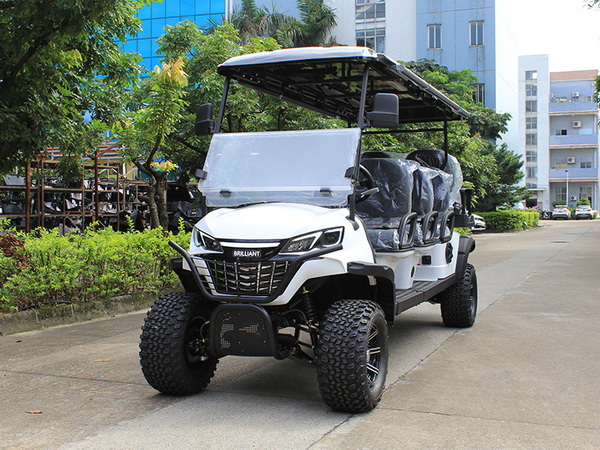
Battery chemistry is now one of the biggest decisions in a golf cart purchase, especially for high-usage environments such as resorts or large residential communities. While lithium-ion systems are more expensive, they can be cost-effective over the life of the cart.
1- Lead-acid batteries
- Lower initial purchase price.
- Require regular watering, cleaning, and terminal checks.
- Shorter lifespan, contributing to higher replacement frequency.
2- Lithium-ion batteries
- Higher upfront cost but longer overall lifespan and better efficiency.
- Reduced maintenance needs and improved performance over time.
For heavy daily use or commercial fleets, lithium-ion often offers the best long-term value despite the higher initial outlay.
Cost Breakdown Overview
The table below summarizes the key cost ranges and typical buyers for each type of golf cart.
Cart type | Typical price range (USD) | Ideal buyer profile |
New basic cart | 5,000–7,000 | Budget-conscious buyers needing simple transportation. |
New premium cart | 8,000–12,000 | Buyers who want comfort, features, and warranty. |
Used cart | 2,000–5,000 | Value-focused buyers willing to inspect condition. |
Custom cart | 10,000–20,000+ | Lifestyle or commercial users wanting tailored specs. |
This structure helps quickly match your budget to the level of comfort, performance, and customization that makes sense for your use case.
Where Golf Carts Are Used Today
Modern golf carts have evolved into versatile low-speed vehicles used far beyond traditional golf courses. This broader usage explains why demand and price ranges have grown steadily in recent years.
Common use environments include:
- Campgrounds and RV parks
- Residential neighborhoods and retirement communities
- Theme parks and resort properties
- Country clubs and large estates
- Light commercial settings, such as security patrol or internal logistics
There are now dedicated security carts, food service carts, and specialty carts equipped with fire extinguishers and purpose-built cargo systems, each designed for specific operational needs.
The Growing Trend of Electric Golf Carts
Electric golf carts have become especially attractive because of their quiet operation and reduced environmental impact compared with gas-powered models. Advances in battery technology and charging systems have further accelerated this shift.
- Electric carts appeal to buyers focused on sustainability, low emissions, and reduced noise in residential or resort settings.
- Many communities and facilities now strongly prefer or even require electric carts due to environmental and noise regulations.
As interest in green energy grows, manufacturers are introducing more electric models with improved range, better performance, and smarter charging solutions.
Practical Steps to Estimate Your Total Golf Cart Budget
To avoid overspending or under-specifying your cart, walk through a simple budget planning process before you buy. This framework helps align features with realistic long-term cost expectations.
1. Define your core use case
Decide whether the cart is mainly for golf, neighborhood commuting, commercial use, or mixed purposes.
2. Set a realistic purchase price band
Choose whether you are targeting used (2,000–5,000 USD), new standard (5,000–7,000 USD), or premium/custom (8,000–20,000+ USD).
3. Select your battery strategy
Compare lead-acid vs lithium-ion by looking at both upfront cost and expected replacement cycles.
4. Add mandatory equipment and street-legal features
Factor in lighting, mirrors, and safety equipment if your area requires street-legal compliance.
5. Reserve a maintenance and replacement budget
Plan 100–300 USD per year for maintenance and 800–2,000 USD every 3–5 years for battery replacement.
Following these steps creates a more accurate picture of what your golf cart will cost over several years of ownership.
Ready to Choose the Right Golf Cart?
If you already have a clear budget range, preferred battery type, and main use scenario, the next step is to compare specific models and configurations from professional manufacturers. As an experienced OEM producer of electric golf carts and small electric vehicles, LANGQING can help you balance cost, performance, and customization for your market or brand. Contact our team to discuss your requirements, request a tailored quotation, or explore private-label and bulk order options so you can secure the right golf cart solution at a competitive total cost of ownership.
Contact us to get more information!
FAQs About Golf Cart Costs
FAQ 1: How much does a basic electric golf cart cost?
A typical basic new electric golf cart usually costs between 5,000 and 7,000 USD, depending on brand, battery type, and included features. This range usually covers simple 2–4 seat carts with standard equipment suited to golf courses and residential communities.
FAQ 2: Is it cheaper to buy a used golf cart?
Used golf carts are often more affordable, commonly priced between 2,000 and 5,000 USD. However, buyers should carefully check battery life, maintenance history, and overall condition to avoid unexpected repair and replacement costs.
FAQ 3: Why are some custom golf carts so expensive?
Custom golf carts can start around 10,000 USD and exceed 20,000 USD because of specialized accessories, upgraded cosmetics, performance parts, and premium components such as lithium-ion battery packs. Each add-on, from lift kits to audio systems, pushes the total investment higher.
FAQ 4: How often do golf cart batteries need to be replaced?
Most electric golf cart batteries require replacement every 3–5 years. The exact timing depends on usage, charging habits, and battery type, with typical replacement costs ranging from 800 to 2,000 USD.
FAQ 5: Are electric golf carts more cost-effective than gas carts?
Electric golf carts are widely favored for lower noise, better environmental performance, and generally lower routine maintenance. For many residential and commercial users, the reduced running costs and simpler servicing make electric models more cost-effective over the long term.


