Content Menu
● What Is an Electric Off‑Road Golf Cart?
● Why Choose Electric vs Gas Off‑Road Carts?
● Key Components of an Electric Off‑Road Golf Cart
● Essential Pre‑Ride Safety Checks
● How to Start and Operate Your Electric Off‑Road Golf Cart
● Steering, Maneuvering, and Reversing Safely
● Adjusting Your Driving to Different Terrains
● Speed Management and Off‑Road Safety Rules
● Advanced Off‑Road Driving Techniques
● Battery Care, Charging, and Eco‑Friendly Practices
● Fleet Management Tips for Resorts, Farms, and Communities
● Why Work with a Professional OEM Manufacturer
● Call to Action: Build Your Electric Off‑Road Golf Cart Line with LANGQING
● FAQs About Electric Off‑Road Golf Carts
>> 1. Are electric off‑road golf carts powerful enough for steep hills?
>> 2. How long does the battery last on a single charge?
>> 3. What maintenance do electric off‑road carts need?
>> 4. Can electric off‑road golf carts be customized for branding?
>> 5. Are electric off‑road golf carts suitable for commercial fleets?
Electric off‑road golf carts have evolved from simple course shuttles into versatile utility vehicles for outdoor recreation, resorts, farms, and private estates. This in‑depth guide explains how to choose, inspect, and drive an electric off‑road golf cart safely and efficiently, while also highlighting why high‑quality OEM carts from manufacturers like LANGQING are becoming the preferred solution for global brands and distributors.
What Is an Electric Off‑Road Golf Cart?
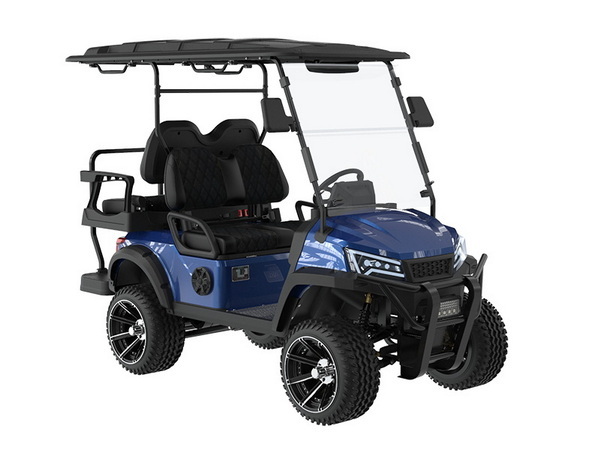
Electric off‑road golf carts use a battery‑powered motor, upgraded suspension, and off‑road tires to handle rough terrain such as dirt tracks, gravel roads, grasslands, and light trails. Compared with traditional course carts, off‑road models typically feature higher ground clearance, more robust frames, and optional 4×4 systems for better traction.
Key characteristics include:
- Rugged chassis and reinforced frame for uneven terrain.
- Off‑road or all‑terrain tires for better grip.
- Optional 4×4 or differential lock for demanding conditions.
- Electric drive system with rechargeable batteries and controller.
These vehicles are widely used in:
- Resorts and golf communities.
- Large private properties and farms.
- Industrial parks and campuses.
- Hunting, camping, and outdoor recreation areas.
Why Choose Electric vs Gas Off‑Road Carts?
Electric off‑road golf carts deliver several practical advantages over gas‑powered models, especially for modern users who care about cost, comfort, and sustainability.
Key benefits of electric off‑road golf carts:
- Lower operating noise, reducing disturbance to residents, wildlife, and guests.
- Zero tailpipe emissions at the point of use, ideal for eco‑focused communities and resorts.
- Lower routine maintenance, with no oil changes, fuel filters, or spark plugs.
- Smooth acceleration and instant torque, especially helpful on hills and uneven ground.
Situations where electric off‑road carts are especially suitable:
- Gated communities with strict noise rules.
- Eco‑resorts and nature parks.
- Indoor–outdoor facilities such as warehouses plus yards.
- Fleets managed by brands or wholesalers that prioritize total cost of ownership.
Key Components of an Electric Off‑Road Golf Cart
Understanding the main components helps you operate and maintain your cart correctly and gives you a clearer idea of what to look for when buying OEM or private‑label models.
Core components:
- Electric motor: Provides propulsion; torque characteristics determine hill‑climbing performance.
- Battery pack: Typically lead‑acid or lithium‑ion batteries; capacity affects range and power.
- Controller: Manages power delivery between battery and motor for smooth acceleration.
- Chassis and suspension: Reinforced design plus off‑road suspension improve stability and comfort.
- Braking system: Mechanical or hydraulic brakes, sometimes with regenerative braking to extend range.
For off‑road use, pay special attention to:
- Ground clearance and suspension travel.
- Tire pattern and size.
- Frame strength and corrosion protection.
- Weather resistance of electrical components.
Essential Pre‑Ride Safety Checks
Before every ride, a quick but systematic inspection significantly reduces the risk of accidents and breakdowns. Regular checks also extend component life and lower total maintenance costs.
Use this simple pre‑ride safety checklist:
1. Battery and charge level
- Confirm sufficient charge for the planned route.
- Check for loose terminals or visible damage.
2. Tires and wheels
- Inspect tire pressure and look for cuts, bulges, or excessive wear.
- Confirm wheel nuts are secure.
3. Brakes and steering
- Test the brake pedal for firmness and responsiveness.
- Turn the steering wheel fully left and right to confirm smooth movement.
4. Lights and signals
- Check headlights, brake lights, and turn signals if equipped.
5. Structure and cargo
- Look for loose bolts, cracked mounts, or damaged bodywork.
- Make sure rear seats, cargo boxes, or accessories are tightly fastened.
Performing these steps before every ride keeps the cart within safe operating conditions and helps detect problems early.
How to Start and Operate Your Electric Off‑Road Golf Cart
Once the vehicle passes basic safety checks, follow a consistent start‑up routine to ensure safe operation.
Basic starting and operation steps:
1. Secure the area
- Make sure the path ahead and behind is clear of people and obstacles.
2. Power on the cart
- Insert the key and turn it to the ON position or press the start button, depending on your model.
3. Select direction
- Choose forward or reverse using the selector switch or lever.
4. Gradually apply throttle
- Press the accelerator gently to feel the initial response and avoid sudden jerks.
5. Monitor indicators
- Watch the dashboard for warning lights, battery status, and speed display.
Electric off‑road carts can accelerate faster than some gas models, so smooth throttle control is essential for comfort and safety.
Steering, Maneuvering, and Reversing Safely
Confident steering and low‑speed maneuvering are critical off‑road skills. Tight trails, trees, and hidden obstacles require calm, precise control.
Best practices for steering and maneuvering:
- Keep both hands on the wheel in a stable position.
- Enter turns at controlled speeds to avoid sliding or tipping.
- Maintain wider lines on loose gravel, wet grass, or sand to preserve traction.
Safe reversing habits:
- Always stop completely before shifting into reverse.
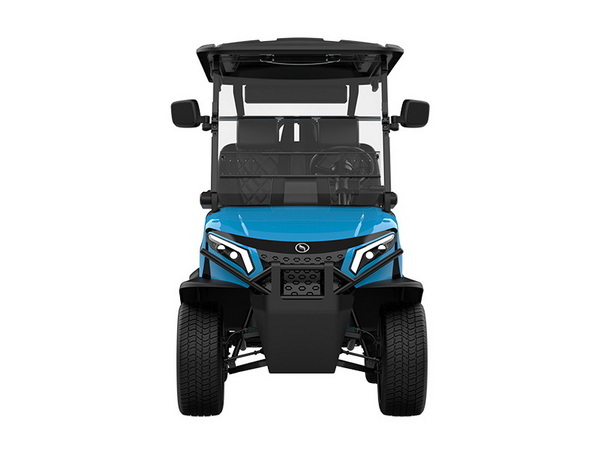
- Use mirrors and, where possible, a spotter in tight or blind areas.
- Reverse slowly, with your foot ready on the brake.
- Stop and reassess if you lose clear visibility of the path.
These habits reduce collision risks and help protect both the vehicle and terrain.
Adjusting Your Driving to Different Terrains
One of the main advantages of an electric off‑road golf cart is its terrain versatility, but each surface requires different techniques.
Guidelines for common off‑road surfaces:
1- Dirt tracks and gravel
- Maintain moderate speed and avoid sudden steering inputs.
- Brake early and gently; loose surfaces increase stopping distance.
2- Grass and soft ground
- Use gentle throttle to reduce wheel spin and turf damage.
- Avoid sharp turns that could tear the surface.
3- Hills and slopes
- Ascend and descend in a straight line rather than across the slope.
- Use steady throttle uphill and low speed downhill to maintain control.
If your cart has 4×4 or traction‑assist features, engage them before entering particularly rough or slippery sections for maximum effectiveness.
Speed Management and Off‑Road Safety Rules
Effective speed management is central to safe off‑road driving. Off‑road environments can change rapidly, and unexpected obstacles can appear without warning.
Practical speed and safety tips:
- Match your speed to visibility and terrain.
- Slow down near corners, trail intersections, or when approaching other people.
- Keep a safe distance from other vehicles to allow room for emergency braking.
- Observe local rules for private communities, resorts, or industrial sites.
In areas with wildlife or pedestrians, prioritize low‑speed operation to protect both people and animals, especially at dusk or night.
Advanced Off‑Road Driving Techniques
As experience grows, drivers can safely practice more advanced techniques to improve control and efficiency.
Advanced skills to develop:
1- Precision parking
- Practice backing into marked spaces and aligning accurately with charging stations or loading docks.
2- Hill management
- Maintain momentum on climbs without over‑throttling and avoid stopping mid‑slope.
- Descend with minimal throttle, using brakes smoothly rather than abruptly.
3- Emergency stopping
- On a safe, open surface, test how the cart responds to firm braking from different speeds.
- Understand how braking distance changes on gravel versus hard ground.
These exercises should always be done in controlled environments away from obstacles and traffic.
Battery Care, Charging, and Eco‑Friendly Practices
Electric off‑road carts are environmentally friendly by design, but proper battery care maximizes both sustainability and cost efficiency.
Best practices for battery use and charging:
- Charge using the recommended charger and voltage specified by the manufacturer.
- Avoid fully depleting the battery whenever possible, as deep discharges can shorten service life.
- Store the cart in a cool, dry place when not in use and avoid prolonged exposure to extreme temperatures.
- Keep terminals clean and free from corrosion, and tighten connections as needed.
Eco‑friendly operating habits:
- Use the cart instead of larger vehicles for short‑distance transportation on private property.
- Plan routes to minimize unnecessary idling or detours.
- Maintain tires at proper pressure to reduce rolling resistance and energy use.
These habits help extend battery lifespan and reinforce the low‑emissions profile of electric off‑road fleets.
Fleet Management Tips for Resorts, Farms, and Communities
Brands, wholesalers, and operators that manage multiple carts need simple management practices to keep fleets safe and reliable.
Core fleet recommendations:
- Create a standard pre‑ride inspection checklist for all drivers.
- Schedule routine maintenance based on hours of operation or calendar intervals.
- Record battery health, charging patterns, and incident reports in a shared log.
- Train staff on safe driving, loading limits, and correct use of accessories.
Well‑structured fleet management not only improves safety but also reduces total operating costs over the lifetime of the carts.
Why Work with a Professional OEM Manufacturer
For brand owners, wholesalers, and assemblers, partnering with a specialized OEM factory is often the most efficient way to build a reliable off‑road golf cart product line.
Advantages of working with a dedicated OEM producer:
- Customizable configurations for seating, body style, and accessories.
- Consistent quality control and standardized components.
- Technical support for local assembly, branding, and after‑sales service.
- Flexible production for both small pilot runs and growing bulk orders.
As a Chinese factory specializing in golf carts and small electric vehicles, LANGQING focuses on:
- Robust off‑road designs suitable for different international markets.
- OEM and private‑label solutions for brands and distributors.
- Stable supply chains and manufacturing capacity for long‑term cooperation.
Call to Action: Build Your Electric Off‑Road Golf Cart Line with LANGQING
If you are a global brand, wholesaler, or local assembler looking to expand into electric off‑road golf carts, now is the ideal time to move. Demand is rising for quiet, eco‑friendly vehicles that can handle diverse terrain in both residential and commercial environments.
Contact LANGQING to discuss custom OEM configurations, performance requirements, and branding options. Share your target market, usage scenarios, and volume plan to receive a tailored solution. Take the next step today and start building a differentiated, future‑ready electric off‑road golf cart line that delivers real value to your customers.
FAQs About Electric Off‑Road Golf Carts
1. Are electric off‑road golf carts powerful enough for steep hills?
Yes, modern electric carts with correctly sized motors and batteries can handle typical recreational hills, especially when designed specifically for off‑road use and properly loaded within rated limits.
2. How long does the battery last on a single charge?
Range depends on battery type, capacity, terrain, and load, but many off‑road carts can operate for several hours of mixed use when batteries are maintained and charged correctly.
3. What maintenance do electric off‑road carts need?
They require regular checks of tires, brakes, steering, and electrical connections, along with periodic battery inspection and cleaning, but they avoid many fuel‑system and engine services required by gas models.
4. Can electric off‑road golf carts be customized for branding?
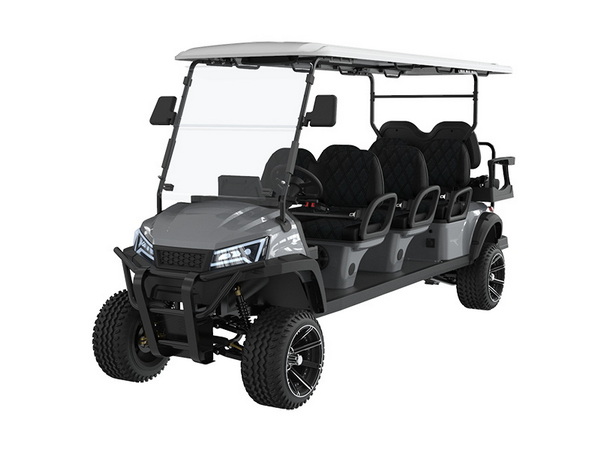
Yes, OEM manufacturers can adjust body color, seating layouts, accessories, and even digital displays or branding locations based on the needs of overseas brands, wholesalers, and project buyers.
5. Are electric off‑road golf carts suitable for commercial fleets?
They are well suited for resorts, farms, industrial parks, and residential communities that need quiet, low‑emission, low‑maintenance vehicles for daily operations and guest transport.


