Content Menu
● What Is an Electric Off-Road Golf Cart?
● Key Benefits of Electric Off-Road Golf Carts
● Electric vs Gas Golf Carts for Off-Road Use
● Core Performance Features That Matter Off-Road
● Long-Term Cost and Ownership Advantages
● Market Trends Driving Electric Off-Road Carts
● Practical Use Cases for Electric Off-Road Golf Carts
● How to Choose the Right Electric Off-Road Golf Cart
>> 1. Clarify Your Primary Use
>> 2. Define Terrain and Range Needs
>> 3. Set Capacity and Configuration
>> 4. Evaluate Total Cost, Not Just Purchase Price
● Recommended Technical Specifications for Off-Road Use
● Maintenance Tips to Maximize Performance and Battery Life
● Future Trends: Technology and Design Innovations
● Clear Call to Action: Upgrade to Modern Electric Off-Road Mobility
● FAQs About Electric Off-Road Golf Carts
>> 1. How far can an electric off-road golf cart travel on a single charge?
>> 2. Are electric off-road golf carts powerful enough for steep hills?
>> 3. How long does it take to recharge an electric off-road golf cart?
>> 4. What is the typical service life of an electric golf cart battery pack?
>> 5. Can electric off-road golf carts be customized for specific commercial applications?
● Citations:
Electric off-road golf carts are evolving from simple course vehicles into versatile utility machines for farms, resorts, communities, and outdoor adventures. This guide explains the core benefits, latest technology, and practical tips to help you choose the right electric off-road golf cart for work and play.
What Is an Electric Off-Road Golf Cart?
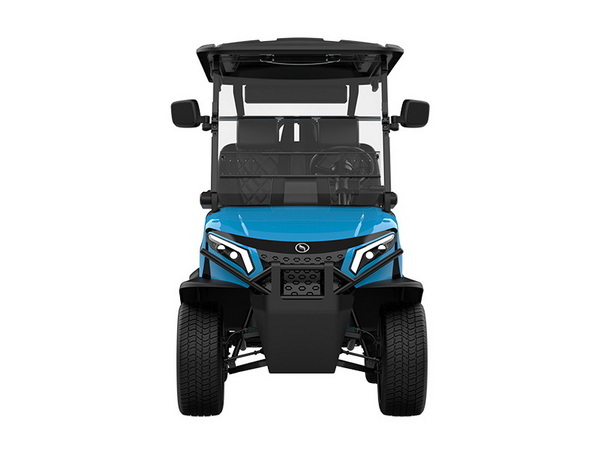
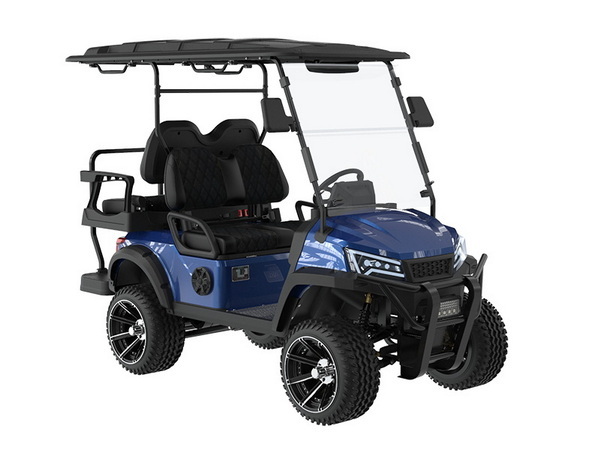
Electric off-road golf carts are battery-powered vehicles engineered with lifted suspensions, off-road tires, and reinforced frames to handle unpaved surfaces such as dirt, grass, gravel, and light trails. Compared with standard golf course carts, they offer enhanced ground clearance, torque, and utility options like dump beds or towing hitches.
- Typical configurations include 2–6 seats, 48 V or higher battery systems, and high-torque motors around 5,000 watts for hill-climbing capability.
- Applications now extend beyond golf to residential communities, farms, industrial facilities, and outdoor recreation sites seeking quiet mobility with low emissions.
Key Benefits of Electric Off-Road Golf Carts
Electric off-road golf carts combine performance, sustainability, and low operating costs, making them a compelling alternative to gas carts. For many owners, they bring a better overall experience both for drivers and people nearby.
- Eco-friendly, zero-emission operation reduces local air pollution and helps operators meet clean mobility goals in resorts, communities, and campuses.
- Fewer moving parts, no oil changes, and cheaper electricity translate into a lower lifetime cost of ownership compared with fuel-powered models.
- Quiet operation improves comfort in residential, hospitality, and nature-focused environments.
Electric vs Gas Golf Carts for Off-Road Use
The table below highlights how electric and gas off-road carts differ in real-world off-road use scenarios.
Dimension | Electric Off-Road Cart | Gas Off-Road Cart |
Power delivery | Instant torque and smooth acceleration, ideal for stop-and-go driving and hill climbs. | Strong pulling power but noisier throttle response and more vibration. |
Noise level | Very quiet, enhancing comfort in residential and nature environments. | Noticeable engine noise, less suitable for quiet zones. |
Operating cost | Lower energy cost per mile and minimal routine service. | Ongoing fuel, oil, and exhaust maintenance expenses. |
Environmental impact | Zero tailpipe emissions and lower local pollution. | Direct emissions and higher carbon footprint. |
Range and refueling | Commonly around 30–40+ miles per charge, with overnight charging. | Fast refueling but dependent on fuel availability and price volatility. |
In many applications, quiet operation, clean performance, and total cost savings make electric carts the preferred choice, especially where environmental regulations or community rules favor low-emission vehicles.
Core Performance Features That Matter Off-Road
Selecting an electric off-road golf cart requires attention to performance specifications that directly affect safety and usability on rough terrain. The following features should be evaluated carefully before purchasing.
- Motor power and torque: Motors around 5,000 watts support steeper inclines, towing, and soft surfaces such as sand or wet grass. High torque is more important than very high top speed for off-road performance.
- Battery system: A 48 V battery pack, often with modern lithium technology, typically delivers sufficient range for daily mixed work and recreation.
- Suspension and ground clearance: Reinforced suspension and extra ground clearance improve comfort and reduce underbody impacts on rocks, ruts, and uneven ground.
- Tires and traction: All-terrain tires with deeper tread patterns deliver better grip on dirt, gravel, and slopes, enhancing stability and control.
Long-Term Cost and Ownership Advantages
Over several years of use, electric off-road golf carts often provide significant cost advantages over gas counterparts. Many operators find that total cost of ownership is more important than purchase price alone.
- Lower daily running costs: Electricity is generally cheaper than gasoline on a per-mile basis, which is especially valuable for resorts, maintenance teams, and communities with frequent use.
- Eliminating fuel systems, oil changes, and exhaust components lowers maintenance complexity and reduces downtime.
- Electric drivetrains experience less wear on moving parts, which can extend service life when used and maintained correctly.
In some regions, buyers also benefit from green mobility incentives or tax advantages when adopting zero-emission utility vehicles, improving the overall return on investment.
Market Trends Driving Electric Off-Road Carts
The global and regional electric golf cart markets are expanding steadily as more sectors embrace eco-friendly mobility solutions. This trend is particularly strong in off-road and utility applications.
- Electric carts are gaining market share thanks to sustainability requirements, lower lifetime costs, and stricter emissions standards.
- Communities, resorts, and commercial facilities are upgrading from legacy gas fleets to modern electric platforms.
- Street-legal low-speed vehicles and customized electric carts are becoming popular alternatives for short-distance travel.
These market trends indicate that investing in electric off-road golf carts aligns with long-term industry direction and customer expectations.
Practical Use Cases for Electric Off-Road Golf Carts
Modern electric off-road golf carts serve as multipurpose tools across a wide range of environments. They combine practical utility with a comfortable and quiet driving experience.
- Golf courses and resorts: Guest shuttles, luggage transport, course maintenance, and VIP transportation with minimal noise and emissions.
- Farms and estates: Transporting tools, feed, and materials with dump beds and towing capabilities across grass, soil, and gravel paths.
- Industrial and warehouse sites: Internal logistics and staff movement on large campuses where clean operation and low noise are required.
- Outdoor recreation and hunting: Silent approach for trail riding, property inspection, and accessing cabins or remote areas without disturbing wildlife.
How to Choose the Right Electric Off-Road Golf Cart
A structured decision process helps buyers match cart specifications with real-world requirements. The following steps can serve as a practical checklist during selection.
1. Clarify Your Primary Use
- For daily work on farms, estates, or construction projects, prioritize payload capacity, towing ability, durability, and ease of maintenance.
- For leisure, community transport, or golf-centric use, focus on comfort, seating configuration, user-friendly controls, and aesthetics.
2. Define Terrain and Range Needs
- Hilly or uneven terrain requires higher motor torque, robust suspension, adequate ground clearance, and suitable tire patterns.
- Longer daily routes call for larger or more efficient battery packs and reliable access to charging infrastructure.
3. Set Capacity and Configuration
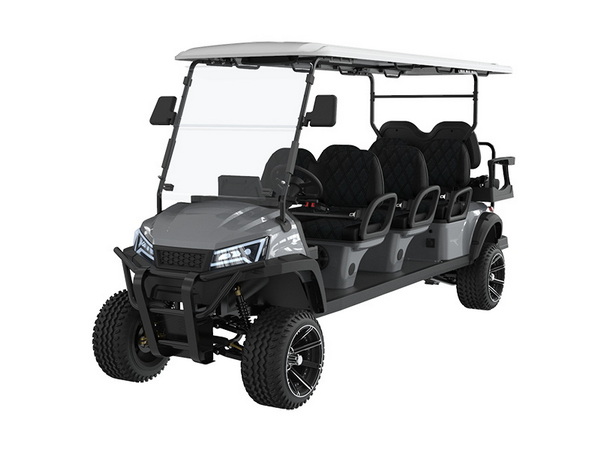
- Decide whether you need 2, 4, or 6 seats and whether a dump bed or flatbed is necessary for carrying materials.
- Check manufacturer ratings for payload and towing capacity to ensure they match your expected load and usage.
4. Evaluate Total Cost, Not Just Purchase Price
- Compare purchase price, expected battery life, maintenance intervals, and potential energy savings over several years.
- For high-utilization fleets, per-mile energy cost and servicing downtime can strongly influence overall profitability.
Recommended Technical Specifications for Off-Road Use
The following guidelines help align specifications with typical off-road and mixed-use applications. Exact requirements will depend on your environment and duty cycle.
- Motor: Around 5,000 W electric motor for mixed off-road and utility work, focusing on torque and reliability rather than maximum speed.
- Battery: 48 V battery system, with lithium options favored for lighter weight, longer cycle life, and faster charging.
- Suspension: Independent or reinforced suspension to improve comfort and control on rough trails and uneven surfaces.
- Braking and safety systems: Reliable brakes, lighting, mirrors, and rollover protection to ensure safe operation in demanding environments.
Maintenance Tips to Maximize Performance and Battery Life
Simple, proactive maintenance practices help extend the life of electric off-road carts and preserve their performance. Consistency is more important than complexity.
- Charge batteries regularly and avoid frequent deep discharges that can reduce capacity over time.
- Keep battery terminals clean and dry, and inspect cables and connectors for signs of corrosion or damage.
- Follow the manufacturer's recommended charging protocol and storage guidelines, especially during long periods of inactivity.
Chassis and off-road components also require ongoing attention.
- Check tire pressure and tread depth to maintain traction, safety, and energy efficiency.
- Inspect suspension, steering, and underbody components after use on rough terrain to detect wear or damage early.
Future Trends: Technology and Design Innovations
Electric off-road golf carts are benefiting from rapid advances in batteries, digital technology, and customization. These trends give buyers more options and better performance than ever.
- Modern battery technologies and smart battery management systems are extending range and reducing charging time.
- Connected features such as GPS tracking, fleet management dashboards, and remote diagnostics are becoming more accessible for commercial buyers.
- Customization options, including lift kits, off-road tires, premium seats, lighting packages, and branded wraps, allow carts to reflect specific lifestyle or business identities.
Manufacturers that integrate sustainable materials, modular upgrade packages, and digital tools are well positioned to support long-term customer needs.
Clear Call to Action: Upgrade to Modern Electric Off-Road Mobility
Electric off-road golf carts deliver a powerful combination of quiet performance, low emissions, and long-term cost efficiency for both businesses and individual users. For fleet owners, dealers, and project developers, now is an ideal time to expand electric off-road offerings and align with growing demand for sustainable, versatile utility vehicles.
If you are a distributor, OEM brand, or project developer seeking reliable electric off-road golf carts and other small electric vehicles, consider partnering with a specialized manufacturer capable of providing customizable configurations, strict quality control, and global export support. Define your use cases and key specifications, then contact our team to discuss tailored OEM and private-label solutions that match your regional standards, brand positioning, and long-term growth plans.
Contact us to get more information!
FAQs About Electric Off-Road Golf Carts
1. How far can an electric off-road golf cart travel on a single charge?
Many modern 48 V electric carts can provide around 30–40 miles of range per charge in mixed driving conditions. Actual range depends on load, terrain, driving style, temperature, and battery technology.
2. Are electric off-road golf carts powerful enough for steep hills?
With a high-torque motor, suitable gearing, and appropriate tires, electric off-road golf carts are well suited to typical hills and soft ground found on farms, resorts, and trail environments. Choosing the correct configuration is important for very steep or demanding routes.
3. How long does it take to recharge an electric off-road golf cart?
Standard chargers often require about 6–10 hours for a full charge, which fits well with overnight charging. Some lithium battery systems paired with higher-output chargers can reduce charging time significantly.
4. What is the typical service life of an electric golf cart battery pack?
The service life of a battery pack depends on technology and usage, but quality batteries can last several years under proper charging and maintenance routines. Lithium batteries generally offer more charge cycles and more stable capacity than traditional lead-acid batteries.
5. Can electric off-road golf carts be customized for specific commercial applications?
Yes. Many manufacturers and dealers offer customization packages such as different seating layouts, dump beds, towing hitches, lift kits, lighting upgrades, and branding options. This allows carts to be tailored to commercial, industrial, or recreational use cases.
Citations:
1. https://www.kandiamerica.com/electric-off-road-golf-cart-benefits/
2. https://www.designdevelopmenttoday.com/industries/manufacturing/news/22940048/kandi-rolls-out-first-usmade-vehicle-kicking-off-l
3. https://www.futuremarketinsights.com/reports/golf-cart-market
4. https://taraelectricvehicles.com/blog/2025/06/16/electric-off-road-golf-cart-can-it-go-off-road-and-how-to-make-it-off-road-read
5. https://golfcartshop.com/products/kandi-america-2-passenger-electric-kruiser-w-powerful-5-000-watt-electric-motor-48v-lithium-ba
6. https://www.futuremarketinsights.com/reports/united-states-electric-golf-cart-market
7. https://www.turfstar.com/the-benefits-of-a-club-car-electric-golf-cart/
8. https://golfcartshop.com/products/kandi-america-2-passenger-electric-kruiser-w-powerful-5-000-watt-electric-motor-48v-lithium-ba
9. https://www.globenewswire.com/news-release/2025/07/28/3122295/28124/en/U-S-Electric-Golf-Cart-Market-Size-Share-Trends-Analysis
10. https://www.adventuregolfcarts.com/should-i-buy-a-gas-or-electric-golf-cart/


